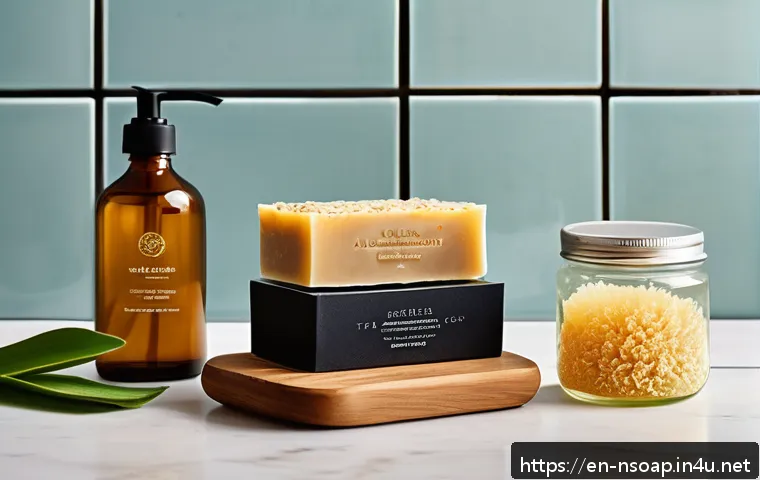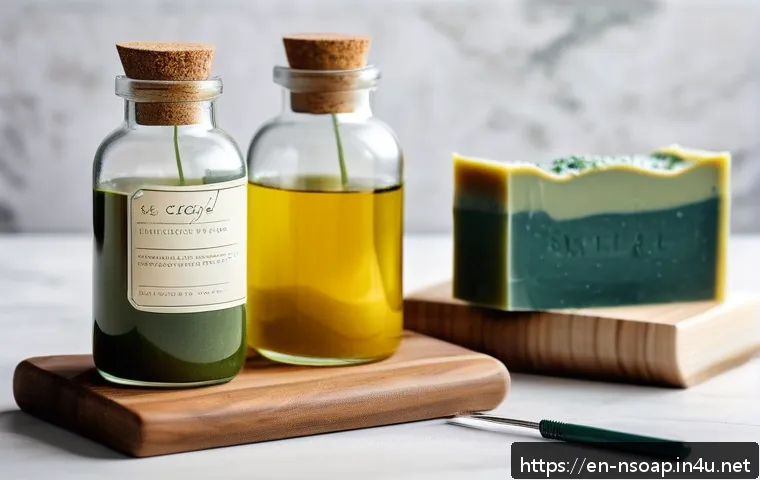
Natural soap cannot permanently shrink facial pores, but a gentle cleanser can remove surface oil, sunscreen, makeup, and debris that make pores look more noticeable.
The best choice is usually the one that cleans without leaving your skin tight, irritated, or overly dry. “Natural” is not automatically better for visible pores, because bar soaps can differ greatly in cleansing strength, fragrance, essential oils, and added oils.
If you are comparing facial cleansers, focus on skin tolerance and daily use rather than bold “pore minimizing” claims. A basic, well-matched cleanser can be a sensible first purchase before spending more on specialty products or treatments.
Persistent acne, painful breakouts, or major texture concerns deserve professional assessment.
At a Glance
- Natural soap cannot physically close or permanently shrink pores.
- A gentle facial cleanser may help pores look less noticeable by clearing surface oil and buildup.
- Choose based on cleansing strength, fragrance, skin sensitivity, and breakouts—not the word “natural” alone.
| Option | May Suit | Potential Benefits | Limitations to Consider | Typical Cost Level |
|---|---|---|---|---|
| Natural bar soap | Skin that tolerates the specific formula well | Convenient cleansing; many ingredient styles are available | Can vary in pH, fragrance, essential oils, and cleansing strength | Often lower to moderate |
| Fragrance-free facial cleanser | Dry, sensitive, reactive, or combination skin | Often easier to compare for daily facial use | Still requires an ingredient and tolerance check | Low to moderate |
| Dermatologist-guided care | Persistent acne, painful breakouts, or significant texture concerns | Individual assessment of acne, irritation, and texture causes | May cost more than a store-bought cleanser routine | Higher |
Can a Gentle Cleanser Make Facial Pores Look Less Noticeable?
Yes, it may improve the appearance of pores temporarily when oil, sunscreen, makeup, and debris are making them stand out. It cannot change the underlying size or structure of a pore. Genetics, skin structure, oil production, and age-related changes in elasticity all influence pore appearance.
The Difference Between Pore Size and Pore Appearance
Pores are normal skin structures, not something a soap can seal shut. A “pore shrinking” cleanser claim should be viewed carefully. What cleansing can do is leave the skin surface clearer, which may make pores look less congested or less obvious in certain lighting.
When Oil, Buildup, and Irritation Make Pores Stand Out
Shiny skin and surface buildup can draw attention to pores. At the same time, harsh cleansing can create a different problem: dryness, tightness, and irritation. In some people, that disruption may be followed by rebound oiliness. The goal is not the strongest soap. It is effective but comfortable cleansing.
Three Quick Steps for a Pore-Conscious Cleansing Routine
- Use a cleanser that leaves skin feeling clean, not stripped or sore.
- Rinse away sunscreen, makeup, surface oil, and daily debris without aggressive scrubbing.
- Use sunscreen consistently, since sun-related skin damage can make pore texture more visible over time.
Natural Bar Soap vs. Facial Cleanser: What Should You Compare?
A natural facial soap may be a reasonable option, but the label alone does not tell you whether it fits your skin. Compare the formula and your skin response before committing to a full routine.
Cleansing Strength, pH, and the Risk of Tight or Dry Skin
Bar soaps vary widely in pH and cleansing strength. If your face feels very tight, dry, itchy, or irritated after washing, the product may not be a good daily match. A gentle facial cleanser can be the more practical option for people who need consistent cleansing without a stripped feeling.
Fragrance, Essential Oils, and Sensitivity Considerations
Fragrance and essential oils can irritate some people, especially those with sensitive or reactive skin. A natural soap can still contain these ingredients. If sensitivity is a concern, consider comparing fragrance-free facial cleanser options and review the ingredient list before buying.
Ingredient Signals to Review for Different Skin Types
For oily or acne-prone skin, look for a cleanser that removes surface oil without harshness and monitor whether breakouts worsen. For dry or sensitive skin, prioritize a gentle feel and avoid formulas that consistently leave tightness. Combination skin may need a balanced cleanser rather than a very strong bar used across the whole face. Individual acne patterns, allergies, and current products still need personal consideration.
Cost per Use: When a Basic Cleanser May Offer Better Value Than a Specialty Bar
A specialty natural soap is not automatically better value simply because it sounds premium. A basic gentle cleanser that you can use comfortably and consistently may be the smarter purchase. Compare the product’s intended facial use, ingredient list, fragrance level, and whether it fits your routine before paying extra for pore-focused marketing.
How to Use Soap Without Making Texture and Oiliness Worse
Technique matters as much as the cleanser. Even a suitable product can feel wrong when used too often or with too much friction.
A Simple Morning and Evening Cleansing Method
Use lukewarm water, cleanse gently with your hands, and rinse thoroughly. In the evening, focus on removing sunscreen, makeup, oil, and daily debris. If your skin becomes dry or irritated, reassess the cleanser and how often you are using it rather than immediately adding several new products.
Why Hot Water, Washcloth Scrubbing, and Frequent Cleansing Can Backfire
Hot water and vigorous washcloth scrubbing can aggravate dryness and irritation. Washing repeatedly in pursuit of “smaller pores” can also disrupt the skin barrier. A clean feeling should not mean a squeaky, uncomfortable feeling.
Patch Testing and Introducing One New Product at a Time
Because tolerance is individual, introduce one new soap or facial cleanser at a time. This makes it easier to notice whether a product seems to trigger irritation or breakouts. It is especially useful when trying formulas with fragrance, essential oils, or unfamiliar added oils.
Supporting Steps: Moisturizer, Sunscreen, and Acne-Focused Products When Appropriate
A suitable moisturizer can support comfort after cleansing, while consistent sunscreen use may help limit sun-related changes that make texture more visible over time. If acne is ongoing, use acne-focused products carefully and avoid changing your cleanser, moisturizer, and treatment routine all at once.
Choose a Routine Based on What Is Making Pores Visible
Visible pores do not have one universal cause. Match your cleanser decision to the main issue you see instead of buying every product labeled for pores.
Oily or Shiny Skin With Clogged-Looking Pores

Start with a cleanser that removes surface oil and buildup without creating persistent tightness. A natural bar may work for some people, but compare its cleansing strength and fragrance with a gentle facial cleanser before assuming it is the better choice.
Dry, Tight, or Sensitive Skin After Washing
That reaction is a reason to simplify. A fragrance-free gentle cleanser may be worth considering over a strongly cleansing or heavily scented bar. “Natural” ingredients do not rule out irritation.
Breakouts, Blackheads, and Recurring Congestion
A cleanser can support a cleaner surface, but it may not resolve persistent acne or recurring congestion on its own. Avoid aggressive scrubs and frequent product switching. Painful breakouts or persistent acne may call for a dermatologist’s assessment.
Texture Changes Linked to Acne Marks or Sun Exposure
When texture concerns are linked to acne marks or sun exposure, a cleanser has limited reach. Gentle daily cleansing and sunscreen are sensible basics, but a professional can help assess whether the concern is normal anatomy, acne-related texture, or another issue.
When a Store-Bought Cleanser Is Enough—and When to Seek Professional Help
A carefully chosen store-bought cleanser is often a reasonable first investment when your main concern is everyday oil, sunscreen, or makeup buildup. It becomes less likely to be enough when symptoms are persistent, painful, or worsening.
Signs That a Simple Routine Is a Sensible First Investment
A basic routine may be a good starting point if your skin mainly needs comfortable daily cleansing and you are not dealing with painful breakouts or major irritation. Choose one gentle cleanser, use it consistently, and avoid judging it solely by immediate “pore tightening” sensations.
When Persistent Acne or Irritation May Justify a Dermatology Visit
Consider professional support for persistent acne, painful breakouts, significant texture concerns, or ongoing irritation. A dermatologist can assess concerns that a cleanser cannot diagnose or treat by itself.
Questions to Ask Before Paying for Facials, Peels, or Pore-Focused Treatments
Ask what issue is being addressed, whether the concern may be related to acne, scarring, sun exposure, or normal pore anatomy, and what aftercare is needed. Also ask whether your current skin sensitivity or acne pattern should change the plan. A higher price does not guarantee that a treatment is the right match.
Choosing the Right Option for Your Skin and Budget
Before buying, check whether the product is intended for facial use, whether it contains fragrance or essential oils, how your skin feels after washing, and whether you have acne or sensitivity concerns. Compare a natural bar soap with a fragrance-free facial cleanser based on comfort, cleansing strength, and routine fit. If your skin is dry or reactive, a simpler gentle cleanser may be the safer place to start. If your skin is oily, avoid assuming that the strongest cleanser will provide the best result. For persistent acne or painful inflammation, put some of the budget toward professional assessment rather than repeatedly purchasing pore-minimizing products.
When comparing products, review the ingredient list and facial-use guidance on the relevant product page before making a purchase.
In Closing
Natural soap may help a face feel cleaner, but it cannot permanently reduce pore size. The most useful cleanser is one that removes daily buildup without causing tightness, irritation, or a cycle of over-cleansing. Keep expectations realistic, introduce products slowly, and use sunscreen consistently. If acne or texture changes remain a major concern, professional guidance may offer better value than another cleanser switch.
Useful Things to Know
1. Pore appearance and pore size are not the same thing.
2. Fragrance-free does not guarantee a perfect match, but it may be worth considering for sensitive skin.
3. Tight, dry skin after cleansing can be a sign to reconsider the product or method.
4. Changing multiple skincare products at once makes it harder to identify what is causing irritation or breakouts.
Important Considerations
A specific natural soap may not suit every person’s skin type, allergy history, acne pattern, or existing routine. Product formula, availability, and price can vary by retailer and region. A cleanser cannot determine why pores are visible or replace assessment for persistent acne, painful breakouts, or substantial texture concerns.
Frequently Asked Questions
Q1. Can natural soap permanently shrink pores on the face?
A1. No. A cleanser cannot permanently close or physically shrink pores. It may remove surface oil and debris that can make pores look more noticeable.
Q2. What should I look for in a natural soap if I have oily, acne-prone skin?
A2. Look beyond “natural” claims. Consider cleansing strength, fragrance, essential oils, added oils, and how your skin responds after use. Avoid over-cleansing, and seek professional advice if acne is persistent or painful.
Q3. Is a fragrance-free facial cleanser better than natural bar soap for visible pores?
A3. Not in every case, but it may be a practical choice for sensitive, dry, or reactive skin. Bar soaps vary widely, so compare the actual formula and your skin’s tolerance rather than relying on the product category alone.
Q4. When is it worth paying for a dermatologist instead of trying another pore-minimizing cleanser?
A4. A dermatologist may be worth considering for persistent acne, painful breakouts, ongoing irritation, or significant texture concerns. Those issues may need an assessment that a store-bought cleanser cannot provide.