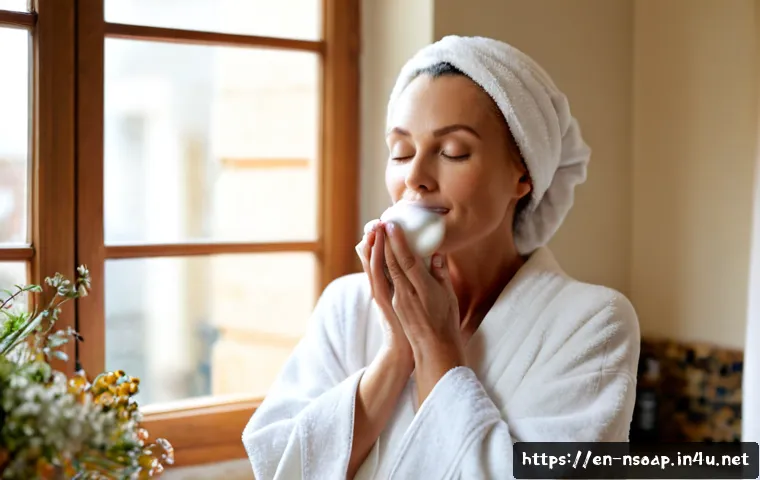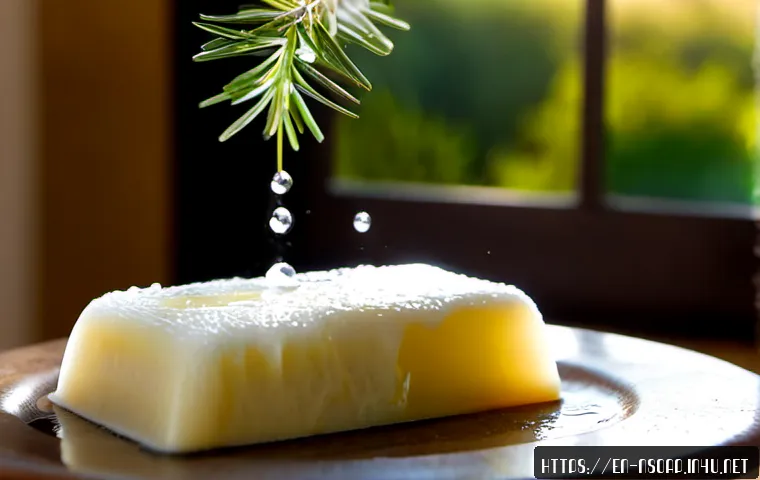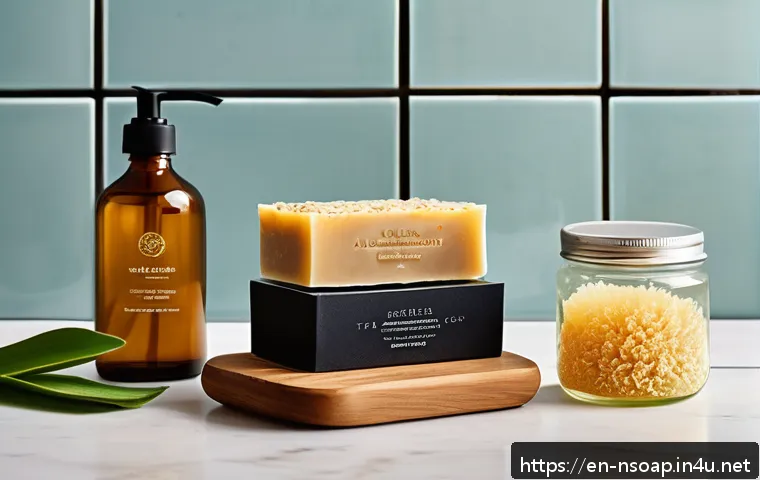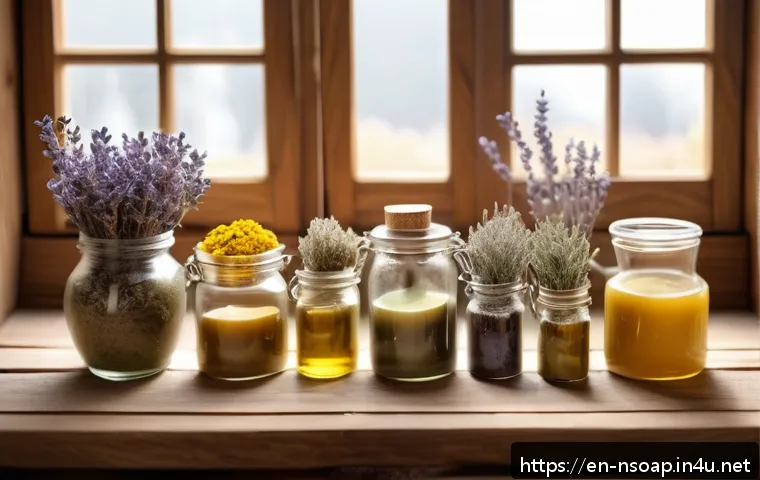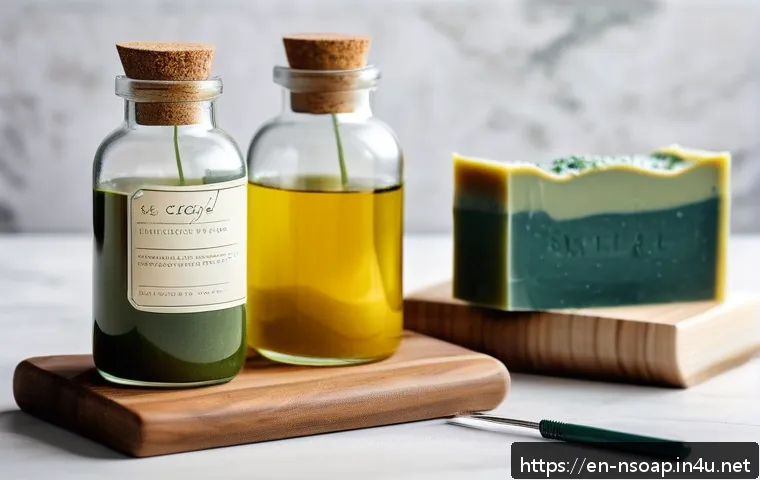
Lately, more people are turning to homemade natural soaps as a way to embrace eco-friendly living and avoid harsh chemicals. If you’ve ever tried making soap at home, you know that getting the ratios just right can feel like a science experiment.
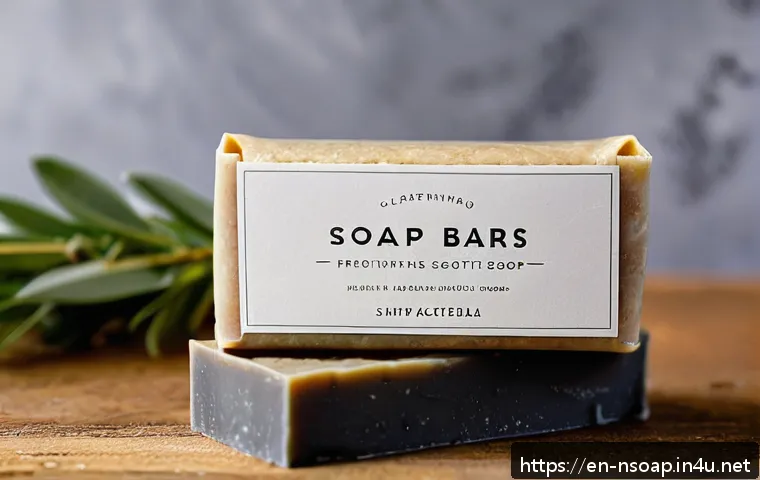
But mastering these perfect proportions not only ensures a luxurious lather and skin-loving benefits—it also transforms your soap-making from a hobby into a true craft.
Stick around, because I’ll share insider tips that helped me create silky, nourishing soaps that friends and family can’t stop raving about. Whether you’re a beginner or looking to refine your technique, understanding these ratios is the secret to elevating your handmade soap game.
Unlocking the Secrets of Balanced Soap Ingredients
Understanding the Role of Oils and Fats
When diving into soap making, the type and amount of oils you choose are game changers. Oils like olive, coconut, and shea butter each bring unique qualities—olive oil offers gentle moisturizing effects, coconut oil adds fluffy lather, and shea butter contributes a creamy texture and nourishment.
The key is balancing these fats to avoid a soap that’s either too drying or too soft. From my experience, starting with a base of olive oil around 40-50% and supplementing with coconut oil between 20-30% gave me a soap that felt luxurious without stripping moisture.
Experimenting with different ratios can feel overwhelming, but keeping track of your mixes helps you find that sweet spot faster.
Precision with Lye: The Heart of Soap Making
Lye, or sodium hydroxide, is the essential ingredient that turns oils into soap, but its measurement demands accuracy. Too much lye can make the soap harsh and irritating, while too little leaves excess oil, making it greasy.
Using a reliable lye calculator is a lifesaver—I’ve found it’s the best way to ensure safety and quality. Remember, always weigh your ingredients rather than relying on volume, as density differences can throw off your ratios.
Safety gear like gloves and goggles isn’t just recommended; it’s mandatory when handling lye. Trust me, a little caution here makes the whole process safer and more enjoyable.
Water Content and Its Impact on Soap Texture
Water isn’t just a solvent in soap making; it controls the trace time and curing duration. More water means a slower trace and a longer curing period, which can result in a softer bar initially but a harder final product.
Less water speeds up trace but can make the soap harder to work with. In my first batch, I used about 2.5 times the weight of lye in water, and it struck a good balance between ease of pouring and curing time.
Adjusting water content lets you control how quickly your soap sets, which is crucial when adding delicate ingredients like herbs or essential oils.
Perfecting Additives for Skin Benefits and Aesthetic Appeal
Choosing Natural Colorants and Exfoliants
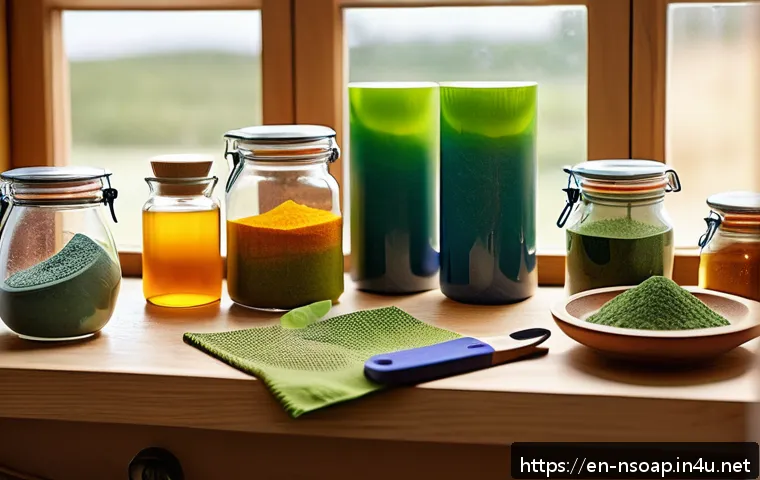
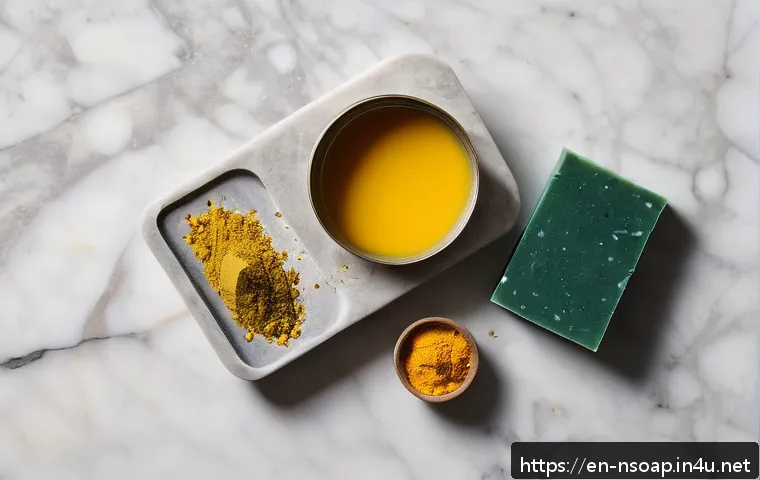
Adding natural colorants like turmeric, spirulina, or activated charcoal can elevate your soap’s look without synthetic dyes. These ingredients not only bring beautiful hues but also offer skin benefits—turmeric for anti-inflammatory properties or charcoal for detoxifying effects.
Exfoliants such as oatmeal, coffee grounds, or poppy seeds add texture and gentle scrubbing action, making your soap multi-functional. I found that adding these additives at the right moment—usually at light trace—preserves their properties and distributes them evenly.
Essential Oils vs. Fragrance Oils: What to Pick?
Essential oils provide authentic, natural scents and therapeutic qualities but can be pricey and sometimes volatile. Fragrance oils offer a wider scent range and are more stable but lack the natural benefits.
For my personal use, blending essential oils like lavender and eucalyptus created a refreshing, calming bar that my family loved. When using fragrance oils, always check if they’re skin-safe and suitable for cold process soap, as some can cause discoloration or accelerate trace.
Incorporating Superfatting for Extra Nourishment
Superfatting means adding extra oils beyond what the lye can saponify, leaving unreacted oils to moisturize skin. Typically, a superfat of 5-8% works well, making the soap gentler and creamier.
I experimented with shea butter as a superfatted oil and noticed my soap felt richer and less drying, especially during winter months. This technique is a simple way to tailor your soap’s feel and boost its skin-loving properties.
How Temperature Influences Soap Making Success
Matching Oil and Lye Solution Temperatures
Temperature control is crucial when mixing lye with oils. If the temperatures are too far apart, it can cause the soap to seize or trace too quickly, making it hard to work with.
I aim to keep both oils and lye solution between 100-110°F before blending, which creates a smooth emulsion and manageable trace time. Watching the temperature closely can prevent frustrating batches and improve overall texture.
Hot Process vs. Cold Process: Temperature Differences
Cold process soap relies on room temperature or slightly warm conditions to set, allowing for a longer curing time and a silky finish. Hot process uses heat to speed up saponification, so soap is ready faster but has a more rustic look.
I prefer cold process for its smooth texture and ability to incorporate delicate additives, but hot process is great when you want soap fast or with strong scents that might fade in cold curing.
Managing Ambient Conditions for Consistent Results
Humidity and room temperature affect how your soap cures. High humidity can extend drying time and cause soft bars, while a cool, dry environment speeds up curing and hardens the soap nicely.
I keep my curing soaps on a wire rack in a well-ventilated room to ensure air circulation and consistent drying. Paying attention to these small environmental details helped me avoid soft, mushy soap and produce bars that last longer.
Tracking and Adjusting Your Soap Formulas
Keeping Detailed Records of Each Batch
One lesson I learned the hard way is that soap making is part art, part science. Writing down every detail—oil types, weights, temperatures, additives, and curing times—lets you refine your formula over time.
I maintain a spreadsheet that tracks these variables, which helps me tweak recipes and replicate successes or avoid past mistakes. It’s like keeping a soap diary that turns your hobby into a precise craft.
Using Calculators and Tools for Accuracy
Besides lye calculators, tools like digital scales, thermometers, and pH strips ensure your soap stays on track. I rely heavily on a digital scale with 0.1g precision to measure ingredients accurately.
pH testing after curing also reassures me that the soap is safe and balanced. These small investments in tools paid off by reducing failed batches and giving me confidence in my process.
Adapting Recipes Based on Skin Type and Preferences
Not all skin is the same, and neither should be your soap. For dry skin, I increase superfat and use more conditioning oils like avocado or almond oil.
For oily skin, a higher percentage of cleansing oils like coconut works better. I often customize soaps for friends and family based on their skin concerns, which makes gifting or selling my soaps feel more personal and thoughtful.
Balancing Hardness, Lather, and Moisturizing Qualities
How Different Oils Affect Soap Hardness
Hardness in soap determines how long the bar lasts and how it handles moisture. Oils like palm and tallow create harder bars, while softer oils like castor and olive yield gentler, creamier soaps.
I avoid using too much soft oil alone because it makes soap fragile. Combining a firm base with moisturizing oils gave me bars that held up well in the shower and felt nourishing.
Optimizing Foam Quality for a Luxurious Wash
Lather is a big part of soap’s appeal. Coconut oil is king for bubbly, fluffy foam, but too much can dry out skin. Castor oil boosts lather creaminess and stability.
I found a combo of 25% coconut and 5% castor oil produces a foam that’s both abundant and soft. This balance makes my soaps feel indulgent without sacrificing skin comfort.
Ensuring Long-Lasting Moisture Retention
Moisture retention is about how well the soap leaves skin feeling hydrated after use. Superfatting and adding conditioning oils like shea butter and sweet almond oil make a huge difference.
From personal experience, soaps with around 6% superfat and a blend of these oils kept my skin soft even in dry winter months. It’s a fine balance to maintain lather and cleansing power while protecting skin moisture.
Essential Measurements at a Glance
| Ingredient | Typical Percentage Range | Effect on Soap |
|---|---|---|
| Olive Oil | 40-50% | Gentle, moisturizing, creamy lather |
| Coconut Oil | 20-30% | Creates fluffy, bubbly lather; cleansing |
| Shea Butter | 5-10% | Adds creaminess and nourishment |
| Castor Oil | 5-10% | Boosts lather creaminess and stability |
| Lye (Sodium Hydroxide) | Calculated per oil saponification values | Transforms oils into soap; must be precise |
| Water | 2-3 times lye weight | Controls trace time and curing speed |
| Superfat | 5-8% | Extra oils for moisturizing, softer bars |
Fine-Tuning Your Soap’s Final Touches
Timing Your Additives for Best Results
Adding herbs, clays, or essential oils at the right stage of soap making is crucial. Adding too early can degrade delicate scents and colors, while too late might cause uneven distribution.
I usually stir in these extras at a light trace stage, where the mixture is thick but still pourable. This timing ensures a consistent appearance and maximum benefit.
Adjusting for Cure Time and Hardness
Soap needs curing to harden fully and mellow out. Generally, 4-6 weeks is ideal, but factors like water content and additives can extend this. I’ve learned to be patient—rushing to use soap before it cures leads to a soft, short-lived bar.
Proper curing results in longer-lasting, skin-friendly soap that feels great every time.
Packaging and Storing Handmade Soap
Once cured, protecting your soap from moisture and contaminants preserves its quality. Wrapping bars in breathable paper or storing them in a dry, cool place prevents sweating and scent loss.
I also label my soaps with ingredients and batch dates, which helps keep track and adds a professional touch if gifting or selling.
Maintaining Consistency for Repeat Success
Reviewing and Improving Each Batch
Soap making is a journey of continuous improvement. After every batch, I note what worked and what didn’t—texture, scent strength, lather quality. This habit helped me refine my recipes and troubleshoot issues like graininess or uneven color.
Consistency builds confidence and turns soap making into a rewarding craft.
Seeking Feedback from Soap Users
Sharing your soaps with friends and family provides invaluable insights. They might point out scent preferences, skin reactions, or texture feedback you didn’t notice.
I rely on their honest opinions to tweak formulas and create bars that people genuinely love to use daily.
Embracing Creativity While Respecting Science
Finally, soap making is both an art and a science. Don’t be afraid to experiment with new ingredients or scents, but always respect the chemistry behind the process.
Balancing creativity with precision has led me to craft beautiful, effective soaps that bring joy and care with every wash.
In Conclusion
Mastering the balance of soap ingredients is both a science and an art that leads to creating nourishing, effective bars. Through careful selection of oils, precise measurements, and attention to curing, you can craft soaps tailored to your skin’s needs. With patience and experimentation, each batch becomes better than the last, turning soap making into a truly rewarding experience.
Helpful Information to Keep in Mind
1. Always measure oils and lye by weight, not volume, for accuracy and safety.
2. Using a lye calculator ensures the right balance and prevents harsh or greasy soap.
3. Adding natural colorants and exfoliants at the light trace stage preserves their benefits.
4. Temperature control between oils and lye solution avoids soap seizing and improves texture.
5. Proper curing time is essential for hardness, longevity, and gentle skin feel.
Key Takeaways
Consistent success in soap making depends on precise ingredient measurements, temperature management, and curing practices. Superfatting adds moisturizing qualities, while balancing oils affects hardness and lather quality. Tracking your batches and adjusting formulas based on skin type enhances both performance and user satisfaction. Always prioritize safety when handling lye, and embrace creativity within the boundaries of soap chemistry to produce beautiful, functional soaps.
Frequently Asked Questions (FAQ) 📖
Q: uestions about Soap Making RatiosQ1: Why are precise soap-making ratios important for homemade soaps?
A: Getting the soap-making ratios just right is crucial because it affects the soap’s texture, lather quality, and how gentle it is on your skin. If your ratios are off, the soap might turn out too harsh, too soft, or not lather well.
For example, too much lye can dry out your skin, while too much oil can make the soap greasy or prevent it from hardening properly. Mastering the balance ensures your soap feels luxurious, nourishes your skin, and lasts longer—turning a simple hobby into a rewarding craft.
Q: How do I calculate the right amount of lye and oils for my soap recipe?
A: The key is using a reliable soap calculator that factors in the saponification values of your chosen oils. Each oil needs a specific amount of lye to fully react and turn into soap without leftover harshness.
I’ve found using online soap calculators or dedicated apps super helpful—they take the guesswork out of the process. You just input your oils and quantities, and the calculator tells you exactly how much lye and water to use.
This step dramatically improves your results and safety.
Q: Can I customize soap recipes by adjusting ratios, and how does it affect the final soap?
A: Absolutely! Adjusting ratios lets you tailor the soap’s properties to your preferences or skin needs. For instance, increasing oils rich in moisturizing fatty acids like olive or shea butter creates a creamier, more nourishing bar.
Reducing lye slightly—called superfatting—adds extra oils that leave your skin feeling soft. Just keep in mind that too much deviation can impact soap hardness and shelf life.
Experimenting carefully and taking notes helps you find your perfect blend over time.