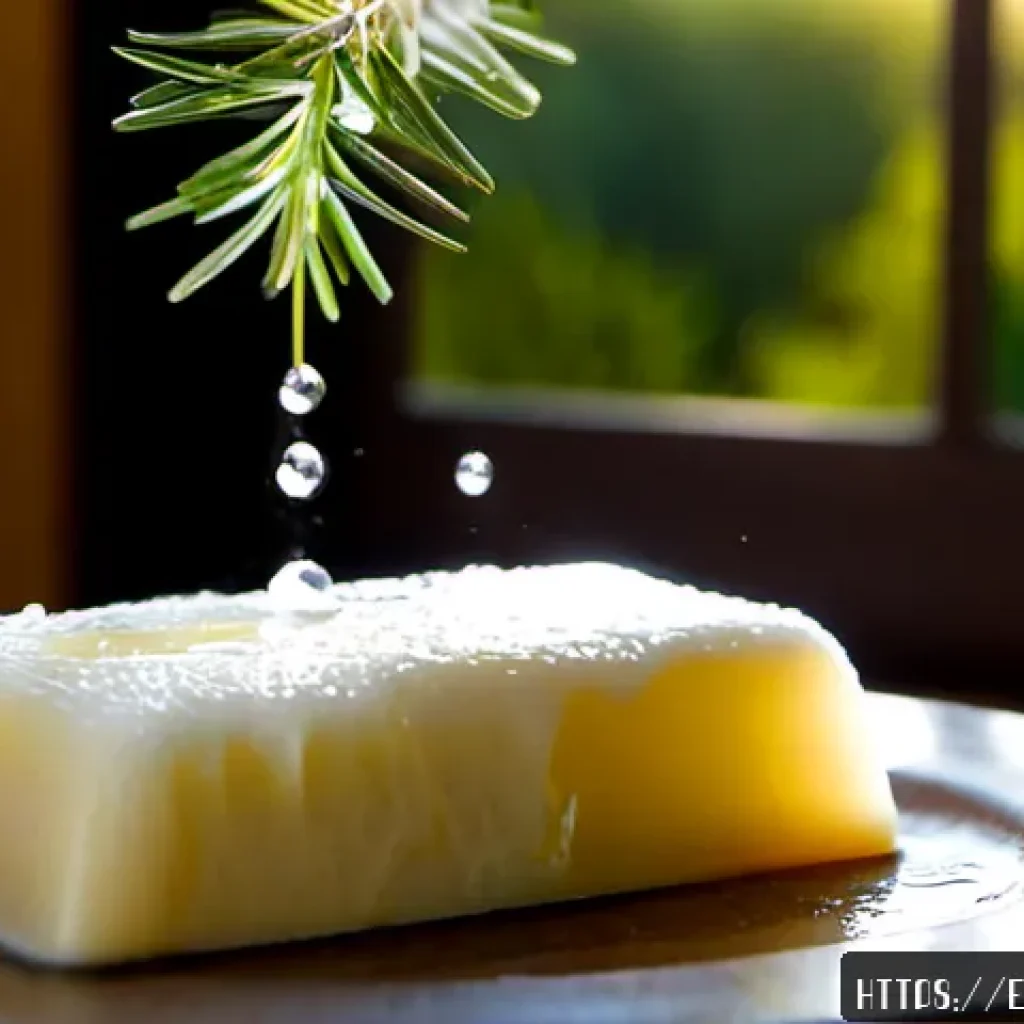
Natural soap can create less foam, or a different kind of foam, than synthetic cleansers without being ineffective. The amount of lather you see is not a reliable measure of how well a bar cleans.
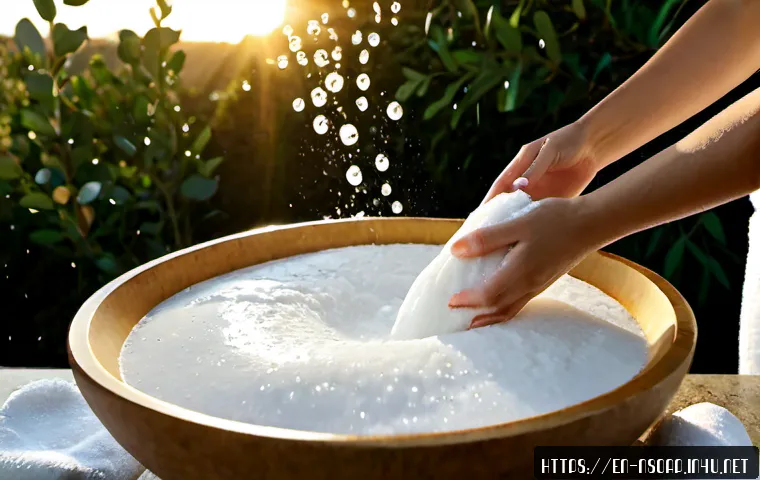
Oils in the formula, mineral content in water, and the way the bar is used all affect the result. Some soaps produce a dense, creamy lather, while others make larger, quicker bubbles.
Storage also matters because a bar performs best when it can dry between uses. Looking at the full routine makes it easier to improve lather without judging a soap by foam alone.
Why Natural Soap Creates Different Types of Lather
Natural soap does not have one standard lather profile. Its foam can change according to the oils and other ingredients in the formula, as well as the amount of water and friction used during washing. A bar that seems quiet in the hands may build a more satisfying lather when worked with a little more water or a textured washing tool. Since the exact formula, cure time, and manufacturing method vary from one bar to another, results can differ even among handmade soaps.
Oils and ingredients that influence bubbles
Different soap formulas can favor different textures of foam. Some bars feel more creamy and lotion-like, while others create more open bubbles. This is a normal formula difference, not automatically a quality issue. It is best to give a new bar a few uses before deciding how it performs, especially if it has been stored in a very dry or very damp place.
Creamy lather versus large bubbles
Large bubbles are easy to notice, but they are not the only useful kind of lather. Creamy, compact foam can spread comfortably across the skin and may feel more cushioned during washing. A bar with smaller bubbles can still be pleasant to use and can still cleanse effectively. Comparing soaps only by bubble size can create unrealistic expectations.
How Water Quality Affects Foam
Water quality can have a major effect on visible lather. Minerals in hard water may reduce foam and can leave soap residue behind. This can make a bar seem less bubbly than it would be in softer water, even when the soap itself has not changed. If you are unsure whether your local water is hard or soft, that is worth checking before blaming the soap formula.
Signs that hard water may be involved
Hard water may be a factor when a bar produces limited lather despite enough water and rubbing, or when a residue seems to remain after washing. These signs do not prove that water minerals are the cause; storage conditions, the particular formula, and personal expectations can also play a role. Still, testing the same bar in a different water source, where practical, may help clarify the pattern.
| What you notice | What may be affecting it | A practical response |
|---|---|---|
| Few visible bubbles | Formula, hard water, or limited friction | Add water gradually and work the bar longer |
| Dense, creamy foam | A lather style favored by the soap formula | Focus on spread and skin feel, not bubble size |
| Residue after washing | Hard water minerals may be involved | Consider checking local water conditions |
| A soft bar that seems weak | Wet storage between uses | Let the bar drain and dry in open air |
How to Get Better Lather From a Soap Bar
Start by wetting both the bar and your hands or body. Rub the soap with enough friction to begin building foam, then add small amounts of water as needed. Too little water can limit lather, while simply holding a bar under running water without rubbing it usually does not create much foam. The goal is not maximum bubbles; it is a comfortable lather that spreads easily during washing.
Using a washcloth, sponge, or soap bag
A washcloth, sponge, or soap bag can help create more visible lather because these tools add texture and friction. Wet the tool first, rub the bar against it, and squeeze or work it until the foam develops. This can be especially helpful when hand lather feels minimal. Keep the tool clean and allow it to dry between uses, since a damp tool should not be left closed up for long periods.
Proper storage between uses
Soap bars generally need airflow between uses to perform and last well. Place the bar where water can drain away rather than leaving it in a puddle or on a flat, non-draining surface. A bar that stays wet can become soft and disappear faster, which may also make it harder to assess its normal lather. Good storage will not change the formula, but it supports more consistent use.
Does Less Foam Mean Less Cleaning?

No. Foam volume alone does not reliably show how well soap cleans. Lather can make washing feel easier and can help distribute the soap across the skin, but a dramatic mound of bubbles is not a direct cleaning score. A low-foam bar may simply have a creamy lather style, be used in hard water, or need a different amount of water and friction.
Cleaning performance and skin feel
Cleaning and skin feel are related but not identical. One person may prefer abundant bubbles because they enjoy the sensory experience, while another may prefer a denser, less airy lather. If skin feels uncomfortable after use, reduced foam is not necessarily the reason. Consider the full product, your washing routine, and your skin-care expectations rather than treating lather alone as the answer.
When to Consider a Different Cleanser
A different cleanser may be worth considering if the bar’s feel or lather style consistently does not suit your preferences, even after adjusting water, friction, and storage. It may also make sense to switch if you prefer a particular cleansing experience that the current bar does not provide. The exact reason for low foam is not always clear, so avoid assuming that one factor explains every result. Choose based on how the product works in your own routine and how your skin feels afterward.
Wrapping Up
Natural soap foam is influenced by more than the bar itself. Water minerals, use technique, and drying conditions can all change what you see in the sink or shower. A creamy lather may be just as useful as large bubbles. Small adjustments often provide a clearer picture of whether the bar is a good fit.
Useful Things to Know
1. Hard water can reduce visible lather and leave residue. 2. A washcloth, sponge, or soap bag can increase friction and help build foam. 3. Letting a bar drain and dry supports better performance between uses. 4. Bubble volume is not a dependable measure of cleansing ability.
Key Points to Remember
Do not judge natural soap by foam alone. Check water quality, use enough water and friction, and store the bar where air can circulate. If the lather or skin feel remains unsuitable, another cleanser may better match your preferences.
Frequently Asked Questions
Q1. Why does my natural soap not foam much?
A1. The formula, your water quality, the amount of friction, and how the bar is stored can all affect foam. Hard water minerals may reduce visible lather, while some bars naturally produce a denser, creamier foam instead of large bubbles.
Q2. Does natural soap clean skin if it has little lather?
A2. Yes. Less visible foam does not automatically mean less cleaning. Foam volume alone is not a reliable indicator of cleansing performance, and some effective soaps simply lather differently.
Q3. How can I make a handmade soap bar lather better?
A3. Wet the bar and your hands or washing tool, use steady friction, and add water gradually. A washcloth, sponge, or soap bag may help create more lather. Also, keep the bar on a draining surface so it can dry with airflow between uses.