
Lately, concerns about air pollution and its impact on our skin health have been gaining traction. With harmful airborne particles lurking everywhere, finding effective ways to protect our skin has never been more important.

Natural soaps are emerging as a powerful ally in this fight, offering gentle yet thorough cleansing without harsh chemicals. From my own experience, switching to natural soap not only improved my skin’s texture but also gave me peace of mind against environmental toxins.
Let’s dive into how these eco-friendly cleansers can shield your skin and keep it radiant amid rising pollution levels.
Understanding the Hidden Threats of Pollution on Your Skin
How Airborne Particles Damage Skin Barrier
Pollution isn’t just an outdoor nuisance; it invades our personal space and wreaks havoc on our skin’s natural defenses. Tiny particles like PM2.5 and heavy metals settle on the skin’s surface, penetrating deep into pores and triggering inflammation.
Over time, this assault weakens the skin barrier, causing dryness, redness, and premature aging. From my experience, it’s like your skin is constantly battling invisible enemies, which makes regular, effective cleansing essential to keep it resilient and healthy.
Common Skin Problems Linked to Pollution
Exposure to pollutants can lead to a variety of skin concerns that many of us might overlook. Acne flare-ups, dullness, uneven texture, and increased sensitivity often stem from environmental stressors rather than just diet or hormones.
I noticed my skin becoming more reactive and prone to breakouts during heavy pollution days, which was frustrating until I understood the root cause. Recognizing these symptoms as pollution-related helps in choosing the right skincare approach tailored to combat these effects.
Why Traditional Soaps Might Not Cut It
Most commercial soaps contain synthetic detergents and harsh chemicals that strip the skin’s natural oils, exacerbating dryness and irritation caused by pollutants.
They might clean surface dirt but fail to neutralize the oxidative stress imposed by airborne toxins. I tried switching to several popular soaps only to find my skin feeling tight and uncomfortable afterward, which made me realize that gentler, more nourishing formulas were needed to truly protect and soothe my skin.
The Science Behind Natural Soaps and Skin Protection
Key Ingredients That Combat Pollution
Natural soaps harness plant-based ingredients like charcoal, green tea, and clay, which are celebrated for their detoxifying properties. Activated charcoal acts like a magnet, drawing out impurities and pollutants from deep within pores, while green tea provides powerful antioxidants that neutralize free radicals.
Clay helps absorb excess oil and grime without stripping moisture. I personally found that soaps containing these elements left my skin feeling refreshed and visibly cleaner, with less irritation than before.
How Natural Soaps Support Skin’s Microbiome
Our skin hosts a delicate balance of beneficial bacteria that protect against harmful microbes and inflammation. Harsh soaps disrupt this balance, but natural alternatives are designed to maintain and even nourish this microbiome.
Ingredients such as aloe vera and coconut oil create a gentle cleansing environment that supports skin health holistically. After switching, I noticed fewer breakouts and a calmer complexion, which I attribute to this microbiome-friendly cleansing approach.
Environmental Benefits of Choosing Natural Soaps
Beyond skin health, natural soaps contribute to reducing environmental damage since they are biodegradable and free from synthetic chemicals that pollute waterways.
Using these soaps aligns with a sustainable lifestyle, which is increasingly important as we become more aware of our ecological footprint. Personally, knowing that my skincare routine is eco-friendly adds a layer of satisfaction and motivation to stick with natural products.
Daily Rituals to Maximize Skin Defense Against Pollution
Effective Cleansing Techniques
Cleansing twice daily with natural soap is crucial, especially after spending time outdoors. I make sure to use lukewarm water and gentle circular motions to avoid irritating my skin further.
Rinsing thoroughly ensures that all trapped pollutants are washed away. Over time, this ritual not only removes surface dirt but also prevents pore congestion and dullness, keeping my skin vibrant and clear.
Complementary Skincare Practices
Cleansing alone isn’t enough; hydration and protection follow. Applying antioxidant-rich serums and moisturizers after washing helps reinforce the skin barrier and repair damage.
I always include a broad-spectrum sunscreen, even on cloudy days, because UV rays combined with pollution accelerate skin aging. Layering these steps creates a robust defense system that keeps my complexion healthy despite environmental challenges.
Adjusting Your Routine Seasonally
Pollution levels and skin needs fluctuate with the seasons. In winter, when air tends to be drier and heating indoors can sap moisture, I switch to richer natural soaps and thicker creams.
During summer, lighter formulations help manage sweat and excess oil without clogging pores. Listening to my skin’s changing signals and adapting accordingly has made a noticeable difference in maintaining balance and comfort year-round.
Choosing the Right Natural Soap for Your Skin Type
For Oily and Acne-Prone Skin
If you struggle with excess oil and breakouts, look for natural soaps featuring tea tree oil, charcoal, or neem. These ingredients have antibacterial and sebum-regulating properties.
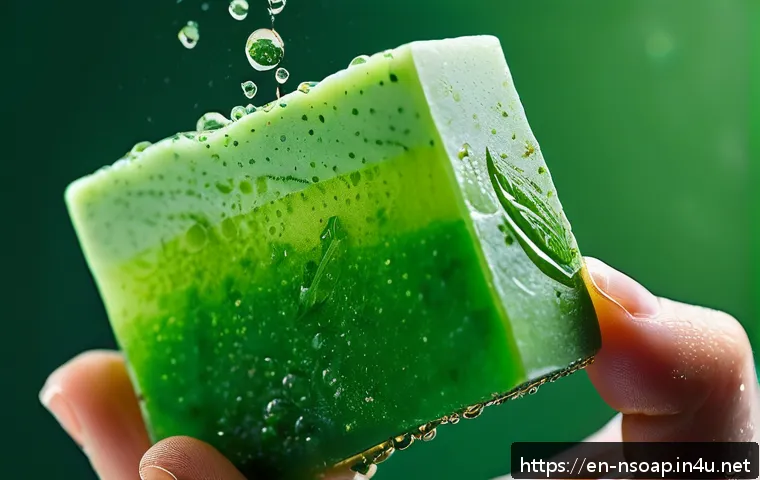
I tried a charcoal-based soap that helped reduce my shine and calmed persistent blemishes without over-drying, which was a game-changer compared to conventional acne washes.
For Dry and Sensitive Skin
Gentle, moisturizing soaps with ingredients like shea butter, oatmeal, and honey are ideal here. They cleanse without stripping essential oils, leaving skin soft and soothed.
Personally, switching to an oatmeal-infused soap helped me manage redness and irritation, especially during harsh weather changes.
For Normal to Combination Skin
Balanced soaps containing aloe vera, coconut oil, and natural botanicals suit most skin types by providing gentle cleansing and hydration. I found these formulas versatile and effective, delivering a fresh, clear complexion without heaviness or tightness.
Comparing Natural Soaps: What Makes a Difference?
| Soap Type | Key Ingredients | Benefits | Best For | My Experience |
|---|---|---|---|---|
| Activated Charcoal Soap | Activated charcoal, tea tree oil | Deep cleansing, detoxifying, acne control | Oily, acne-prone skin | Reduced breakouts, less oiliness |
| Oatmeal & Honey Soap | Oatmeal, honey, shea butter | Soothing, moisturizing, anti-inflammatory | Dry, sensitive skin | Calmed redness, softer skin |
| Green Tea Soap | Green tea extract, aloe vera | Antioxidant protection, gentle hydration | Normal to combination skin | Balanced, radiant complexion |
| Clay Soap | Bentonite clay, coconut oil | Oil absorption, pore cleansing | Combination, oily skin | Clearer skin texture, less shine |
Tips for Incorporating Natural Soaps into Your Skincare Routine
Patch Testing and Gradual Introduction
Switching to natural soaps can sometimes feel like a shock to your skin, especially if you’re used to synthetic products. I recommend starting with a patch test on a small area to check for any reactions.
Then, gradually replace your current cleanser with natural soap to give your skin time to adjust without irritation.
Pairing with Compatible Skincare Products
Natural soaps work best when followed by complementary products that maintain moisture and reinforce protection. Avoid products with harsh alcohols or synthetic fragrances that can undo the benefits.
I found that pairing natural soap with simple, clean formulations enhanced the overall effect on my skin’s clarity and comfort.
Maintaining Consistency for Long-Term Results
The real magic happens when natural soaps become a consistent part of your daily ritual. My skin took a few weeks to show visible improvement, but sticking with it paid off with reduced sensitivity, better texture, and a glow that felt authentic.
Patience and routine are key to letting these gentle cleansers do their work effectively.
In Conclusion
Protecting your skin from pollution is essential for maintaining a healthy, radiant complexion. By understanding how pollutants affect your skin and choosing natural soaps with beneficial ingredients, you can strengthen your skin’s barrier and reduce irritation. Consistent care and adapting your routine to your skin’s needs make all the difference in achieving lasting results. Embrace these habits to keep your skin resilient against environmental stressors.
Helpful Information to Remember
1. Always cleanse your face twice daily with a gentle, natural soap to remove pollutants effectively.
2. Incorporate antioxidant-rich moisturizers and broad-spectrum sunscreen to enhance skin protection.
3. Adjust your skincare products seasonally to address changing pollution levels and skin needs.
4. Patch test new natural soaps before fully integrating them into your routine to avoid irritation.
5. Pair natural soaps with compatible, gentle skincare products for the best overall results.
Key Takeaways
Choosing natural soaps helps protect your skin from pollution by offering detoxifying and nourishing ingredients that support the skin’s microbiome. Traditional soaps often strip away essential oils and aggravate sensitivity, whereas natural alternatives maintain balance and moisture. Consistency and a thoughtful skincare regimen tailored to your skin type are crucial for combating pollution-related skin issues and promoting long-term skin health.
Frequently Asked Questions (FAQ) 📖
Q: uestionsQ1: How does air pollution affect my skin, and why should I consider natural soap for protection?
A: Air pollution exposes your skin to harmful particles like dust, smoke, and chemicals that can clog pores, cause inflammation, and accelerate aging. Natural soaps are formulated with gentle, plant-based ingredients that effectively cleanse without stripping your skin’s natural oils.
From my own experience, switching to natural soap helped reduce irritation and left my skin feeling refreshed, acting as a protective barrier against pollutants.
Q: Are natural soaps really more effective than conventional soaps in cleansing pollution from the skin?
A: Yes, many natural soaps use ingredients such as charcoal, clay, and essential oils known for their detoxifying properties. Unlike harsh chemical soaps that can damage your skin’s barrier, natural soaps provide thorough cleansing while maintaining moisture balance.
I noticed my skin became less dry and more resilient after using natural soap regularly, which conventional soaps never achieved.
Q: Can using natural soap improve skin texture and overall health in polluted environments?
A: Absolutely. Natural soaps often contain antioxidants and nourishing oils that soothe irritated skin and promote healing. In polluted environments, your skin needs extra care to repair damage caused by free radicals.
Personally, after switching to natural soap, my skin texture improved noticeably, becoming smoother and more radiant, which boosted my confidence in dealing with environmental stressors.