Honestly, for years, I just grabbed whatever soap was on sale at the local supermarket, not really thinking about what was actually in it. My skin often felt tight, itchy, and sometimes even red, especially after a hot shower.
I remember feeling so frustrated, thinking my skin was just ‘sensitive,’ when in reality, it was probably screaming for a break from all those harsh chemicals, synthetic fragrances, and questionable dyes packed into conventional bars.
It wasn’t until a friend, who’s really into sustainable living, nudged me towards trying a handcrafted natural soap that my whole perspective shifted.
The difference was palpable – it felt like a gentle hug for my skin, leaving it soft and genuinely clean, not stripped. As more and more people wake up to the environmental impact of plastic packaging and the potential long-term effects of undisclosed ingredients, the demand for truly natural, wholesome products like these is skyrocketing.
It’s a clear trend towards mindful consumption, prioritizing both our well-being and the planet’s health, and it’s a movement I genuinely believe will continue to grow exponentially as we demand more transparency from our everyday essentials.
Let’s find out precisely why this seemingly simple switch can make such a profound difference.
Embracing a Gentle Touch for Your Skin
Honestly, the sheer relief my skin felt after making the switch to natural soap was immediate and profoundly noticeable. For years, I just accepted that tightness and itchiness after a shower as “normal” for my sensitive skin.
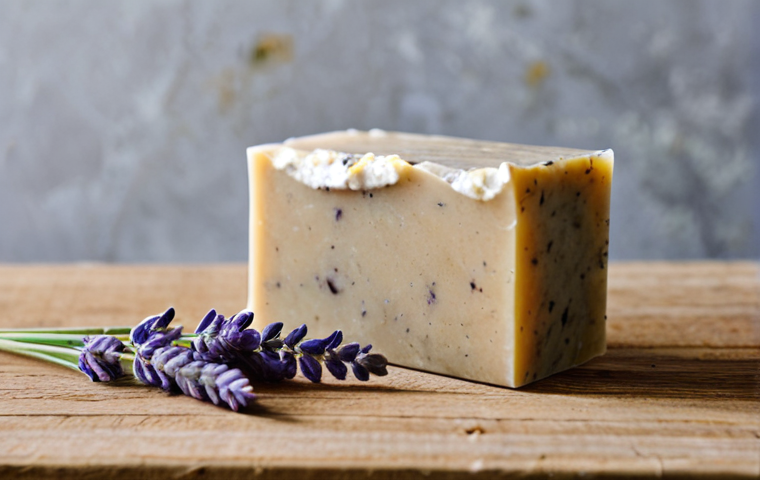
I’d rush to slather on moisturizer, hoping to calm the redness and discomfort. It was a vicious cycle I didn’t even realize I was in until I tried that first bar of handcrafted lavender and oat soap.
It felt different from the moment it touched my skin – a rich, creamy lather that wasn’t overly sudsy, but incredibly nourishing. There was no residue, no lingering chemical scent, just the subtle, genuine aroma of the ingredients.
My skin, which once felt like it was screaming for attention, finally felt calm, balanced, and genuinely clean, not stripped dry. It wasn’t just a product; it was a revelation that my skin wasn’t inherently “sensitive,” but rather, it was reacting negatively to a cocktail of harsh chemicals I was unknowingly exposing it to daily.
This journey has made me realize how much we overlook the simple things that can truly transform our daily well-being.
The Silent Sigh of Relief Your Skin Breathes
Think about it: your skin is your largest organ, constantly absorbing what you put on it. Conventional soaps often contain sulfates, parabens, synthetic fragrances, and harsh detergents that strip away your skin’s natural protective oils, leading to dryness, irritation, and even exacerbating conditions like eczema or psoriasis.
I personally experienced this. My skin used to get these random, flaky patches, especially on my shins and arms, that no amount of lotion seemed to fix.
After about two weeks of exclusively using natural soap, those patches started to fade. It was like my skin finally had a chance to heal and rebalance itself.
It wasn’t about adding more products; it was about removing the aggressors.
- The absence of harsh detergents means your skin’s natural lipid barrier stays intact, locking in moisture.
- Fewer synthetic ingredients reduce the risk of allergic reactions and contact dermatitis, which was a huge relief for me.
- Natural emollients like shea butter, coconut oil, and olive oil deeply hydrate, leaving your skin soft and supple without feeling greasy.
Nourishment Beyond Surface-Level Cleanse
What truly sets natural soaps apart is their inherent emollient properties. They don’t just clean; they nourish. Many natural soaps are made using a cold-process method, which naturally creates glycerin, a humectant that draws moisture from the air to your skin.
Most commercial soaps remove this valuable glycerin to sell separately, which explains why they leave your skin feeling parched. When I used my first natural bar, I could literally feel this difference.
My skin felt moisturized *after* showering, something I’d never experienced before. I used to use so much lotion, but now, a lighter application is usually all I need, if any.
This fundamental difference in composition is what makes natural soap a skincare product in its own right, not just a cleansing agent.
Beyond the Bottle: The Environmental Ripple Effect
Stepping back from the personal benefits, the environmental impact of my daily choices quickly became a significant factor in my continued embrace of natural soap.
It’s easy to overlook, but the sheer volume of plastic bottles and chemical runoff from conventional soaps is staggering. Just imagine the millions of plastic body wash bottles used and discarded every single day globally.
When I started thinking about my own bathroom, seeing all those plastic bottles lined up, it hit me. Switching to a solid bar of natural soap, often packaged in recycled paper or simply naked, felt like a small but mighty act of rebellion against single-use plastics.
This isn’t just about reducing waste; it’s about minimizing our footprint in every possible way.
Ditching the Plastic, One Bar at a Time
One of the most immediate and satisfying changes when you switch to bar soap is the drastic reduction in plastic waste. Most conventional liquid body washes come in large plastic bottles that often end up in landfills, contributing to the ever-growing plastic pollution crisis.
My friend, the one who introduced me to this, once laid out all the plastic soap bottles she’d saved over just six months. It was a shocking pile. Since then, I’ve become super conscious.
Now, my bathroom counter boasts a simple, elegant soap dish, and the only waste I generate is a tiny, compostable paper wrapper every few weeks. It’s a tangible way to make a difference, and it truly feels good.
- Reduced plastic consumption: Solid bars eliminate the need for plastic bottles, caps, and pumps.
- Lower carbon footprint: Manufacturing and transporting solid bars typically require less energy and water than liquid soaps.
- Minimal packaging: Many natural soap makers use recycled, recyclable, or compostable packaging, aligning with zero-waste principles.
Biodegradability and Waterways
It’s not just about what goes into the trash; it’s also about what goes down the drain. The chemicals found in many commercial soaps – things like triclosan, phthalates, and synthetic musks – can persist in water systems, harming aquatic life and potentially entering our drinking water supply.
Natural soaps, on the other hand, are typically made with plant-derived ingredients and essential oils that are biodegradable. This means they break down more easily and are less likely to pollute our rivers, lakes, and oceans.
Knowing that my daily shower isn’t contributing to environmental degradation adds another layer of satisfaction to my routine. It’s a small victory for the planet, one wash at a time.
Decoding the Label: True Ingredient Transparency
Before my natural soap epiphany, I never really bothered to read the ingredient list on my soap. If it smelled nice and cleaned well, that was enough.
But once I started digging, I was genuinely appalled by the sheer number of unpronounceable chemicals and vague terms like “fragrance” that could hide hundreds of undisclosed ingredients.
It was like a Pandora’s Box of potential irritants and toxins, and it felt incredibly deceptive. Natural soap, in stark contrast, usually has a short, understandable ingredient list.
Olive oil, coconut oil, shea butter, essential oils – ingredients I recognized and felt comfortable putting on my body. This transparency is not just a marketing gimmick; it’s a fundamental commitment to consumer well-being and a testament to the integrity of the product.
Unmasking Hidden Aggressors in Everyday Products
The truth is, many conventional personal care products are loaded with ingredients that serve no beneficial purpose for your skin and, in some cases, can be downright harmful.
Take “fragrance” for example. It’s a blanket term that can hide a proprietary blend of hundreds of chemicals, some of which are known allergens, hormone disruptors, or carcinogens.
I once developed a weird rash that doctors couldn’t quite pinpoint, and looking back, I suspect it was a reaction to some hidden chemical in one of my daily products.
Since I’ve simplified my routine and focused on truly natural, transparent ingredients, those unexplained skin issues have vanished. This personal experience solidified my belief that what’s *not* in your soap is just as important as what *is*.
The Power of Simplicity: Know What You’re Using
One of the most empowering aspects of switching to natural soap is that you can literally understand every single ingredient on the label. It’s usually a handful of plant oils, a natural alkali (like lye, which transforms oils into soap and then completely disappears in the saponification process), and perhaps some botanicals or essential oils for scent and added benefits.
This simplicity is incredibly reassuring. You’re not relying on clever marketing or vague promises; you’re relying on pure, wholesome ingredients. It’s like cooking with fresh, whole foods instead of processed junk – your body just knows the difference.
| Feature | Conventional Soap | Natural Handcrafted Soap |
|---|---|---|
| Primary Cleansers | Synthetic detergents (e.g., SLS/SLES) | Saponified natural oils (e.g., olive, coconut, shea) |
| Glycerin Content | Often removed and sold separately | Naturally occurring, retained in the soap |
| Fragrance | Synthetic, often undisclosed chemicals | Pure essential oils or naturally derived scents |
| Preservatives | Parabens, formaldehyde-releasing agents | Rarely needed, if so, natural alternatives |
| Colorants | Artificial dyes (e.g., FD&C colors) | Natural clays, botanicals, mineral pigments |
| Environmental Impact | Plastic packaging, non-biodegradable chemicals | Minimal packaging, biodegradable ingredients |
| Skin Sensation After Use | Tight, dry, sometimes itchy, stripped | Soft, moisturized, clean, balanced, soothed |
The Mindful Ritual: More Than Just Washing
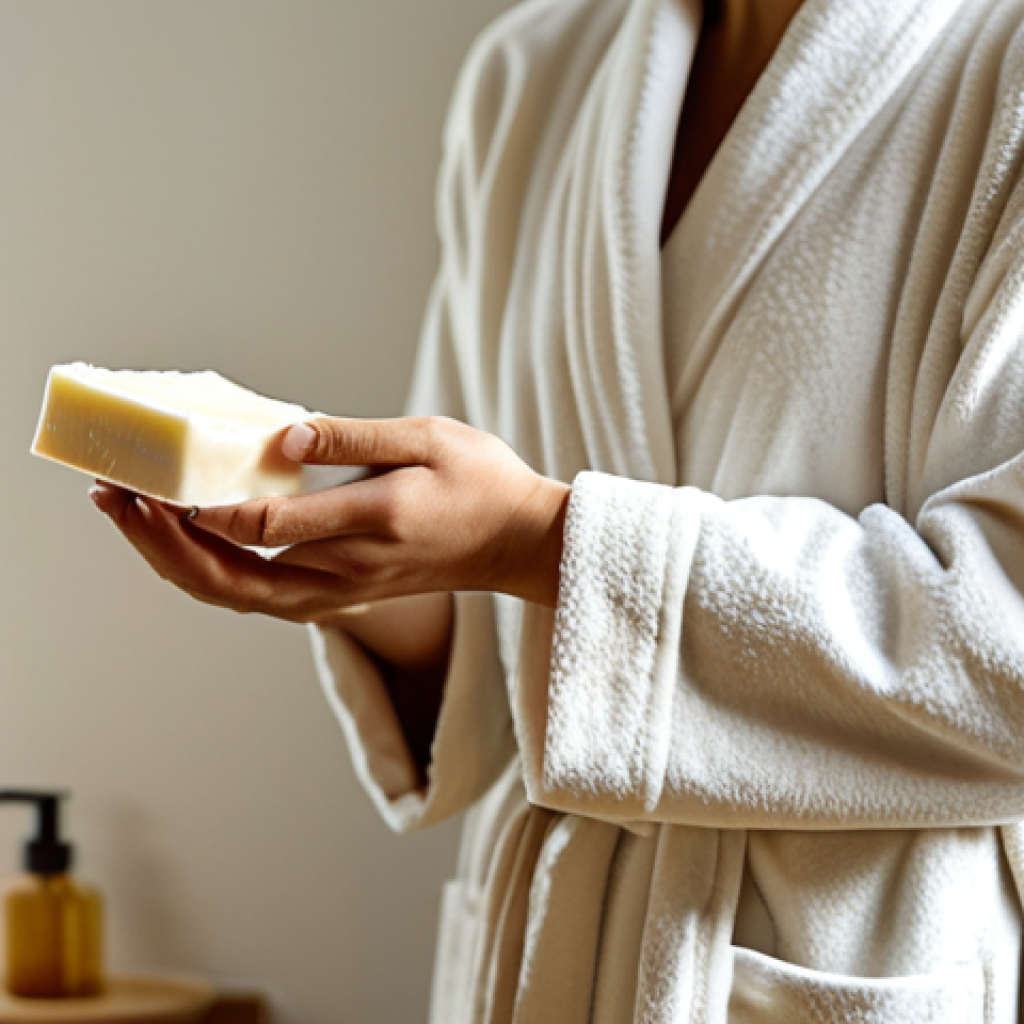
Believe it or not, my daily shower went from being a mundane chore to a genuinely pleasurable, mindful ritual. It might sound a bit dramatic, but it’s true!
Before, it was just about getting clean. Now, stepping into the shower with a beautiful, earthy-scented bar of natural soap transforms the entire experience.
The subtle, authentic aroma, the creamy lather that feels so luxurious on my skin, and the knowledge that I’m nourishing my body with wholesome ingredients – it all contributes to a moment of quiet reflection and self-care.
This isn’t just about hygiene; it’s about connecting with your senses and creating a small pocket of peace in your day.
A Daily Dose of Aromatherapy
One of the most striking differences I experienced was the scent. Conventional soaps often have overpowering, artificial fragrances that can be cloying and even cause headaches.
My previous body wash smelled like “ocean breeze” – a scent that was definitely not derived from any actual ocean. Natural soaps, on the other hand, are often scented with pure essential oils or natural botanicals, offering a subtle, authentic aroma that truly enhances the bathing experience.
Whether it’s the calming scent of lavender, the invigorating freshness of peppermint, or the warm embrace of patchouli, these natural aromas can genuinely uplift your mood or help you unwind.
It’s like a mini aromatherapy session every time I shower, and I genuinely look forward to it.
Connecting with Your Body and Nature
Beyond the scent, there’s a tactile connection that comes with using a solid bar of soap. You hold it, feel its texture, and work it into a lather with your hands.
This small act of engagement brings a sense of presence to an otherwise routine activity. It makes you slow down, even for just a few moments, and truly connect with your body and the products you’re using.
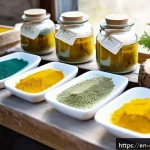
I often find myself appreciating the craftsmanship of the bar itself – the swirls of color from natural clays, the flecks of oats or calendula petals.
It makes me feel more connected to nature and to the artisanal process behind the product. It’s a small way to practice mindfulness and appreciate the simple things that bring us joy and well-being.
Investing in Wellness: Long-Term Value and Health
Initially, I admit, the price tag on some handcrafted natural soaps gave me a little pause. They often seem more expensive than their supermarket counterparts.
But I quickly realized that this initial perception was misleading. When you factor in how long a good quality bar of natural soap lasts, how little product you actually need, and the long-term benefits to your skin and overall health, it becomes clear that you’re not just buying a bar of soap; you’re investing in your wellness.
My dermatologist expenses have actually gone down since I started this switch, as my skin is far less prone to irritation and dryness, which used to be a chronic issue for me.
Surprising Savings and Lasting Skin Health
While a single bar of natural soap might cost a few dollars more, I’ve found that they last significantly longer than liquid body washes. You tend to use less product because the lather is richer and more concentrated, and there’s no accidental squeezing out too much.
Plus, without the need for additional lotions, creams, or even prescription ointments to combat skin irritation (which I used to regularly buy), the overall cost savings can be substantial.
It’s a long-term investment. My skin rarely feels tight or dry anymore, meaning I don’t need to apply heavy lotions or serums after every shower. This not only saves money but also time and effort in my daily routine.
Reducing the Need for Post-Wash Lotions and Potions
This point really ties into the true value proposition. The fundamental difference is that conventional soaps strip your skin, creating a need for a host of follow-up products to rehydrate and soothe.
Natural soaps, by retaining glycerin and using nourishing oils, leave your skin feeling hydrated and balanced from the get-go. I used to go through giant tubs of body butter like it was going out of style, trying to combat the extreme dryness caused by my previous soaps.
Now, sometimes I don’t even need lotion. My skin just feels naturally soft and comfortable. It’s a remarkable shift, and it underscores the idea that prevention is far more cost-effective and beneficial than constantly trying to fix problems created by the very products we use.
Supporting Artisans: The Heartbeat Behind Each Bar
One of the most heartwarming aspects of my journey into natural soap has been discovering the incredible community of artisans who pour their passion and expertise into creating these products.
These aren’t faceless corporations churning out millions of identical bars on an assembly line. These are often small businesses, individual crafters, and families dedicated to their craft, meticulously selecting ingredients, experimenting with formulations, and hand-cutting each bar.
When you buy a natural soap from a local market or an online artisan shop, you’re not just purchasing a product; you’re supporting someone’s dream, their commitment to quality, and their contribution to a more sustainable economy.
It truly feels like I’m part of a larger movement towards ethical consumption.
The Craft of Hand-Making: A Story in Every Swirl
Every bar of handcrafted natural soap tells a story. From the careful selection of ethically sourced oils and butters to the precise blending of essential oils and the artistic touches of natural colorants, each step is performed with intention and care.
I’ve watched videos of soap makers at work, and it’s truly fascinating how they transform simple ingredients into something so beautiful and beneficial.
You can often see the unique variations and imperfections that highlight its handmade origin, making each bar one-of-a-kind. It’s a stark contrast to the perfectly uniform, mass-produced bars that lack character and soul.
This connection to the maker adds an invaluable layer of appreciation to a seemingly simple product.
Cultivating Local Economies and Unique Finds
By choosing natural, handcrafted soaps, I’m consciously contributing to local economies and fostering a more diverse marketplace. Instead of funneling money into large corporations, I’m helping small businesses thrive, which in turn supports local jobs and communities.
Plus, it opens up a world of unique discoveries! I’ve found incredible soaps at farmers’ markets with surprising ingredient combinations like charcoal and tea tree, or goat’s milk and honey, that you’d never find in a conventional store.
It’s a way to explore new scents, textures, and benefits while knowing that your purchase is making a positive impact far beyond your bathroom. This shift in mindset feels empowering, proving that our everyday choices truly matter.
Embracing a Gentle Touch for Your Skin – Concluding Thoughts
As I reflect on this simple yet profound shift in my daily routine, it’s clear that switching to natural soap has been one of the best decisions I’ve made for my skin, my well-being, and even the planet. It’s more than just a cleansing product; it’s a conscious choice to embrace transparency, sustainability, and genuine nourishment. I genuinely hope my journey inspires you to explore the world of natural soaps and experience the tangible difference they can make. Your skin, and indeed the environment, will thank you.
Useful Information to Know
1. Proper Storage is Key: Natural soaps don’t contain harsh synthetic hardeners, so they can melt faster if left in standing water. Always store your bar on a well-draining soap dish between uses to extend its life.
2. Give Your Skin Time to Adjust: If you’re used to conventional soaps, your skin might need a short adjustment period (a few days to a week) as it rebalances after years of being stripped. Stick with it; the benefits are worth it!
3. Explore Local Artisans and Farmers’ Markets: Many small businesses and individual crafters produce incredible natural soaps. Check out your local farmers’ markets, craft fairs, or online artisan marketplaces for unique finds and to support small businesses.
4. Read Labels, Keep it Simple: The beauty of natural soap is its simplicity. Look for ingredient lists you can understand, typically featuring saponified plant oils (olive, coconut, shea), pure essential oils, and natural colorants like clays or botanicals.
5. Understand Saponification: Don’t be alarmed by “sodium hydroxide” (lye) on the ingredient list; it’s essential for the soap-making process. During saponification, it transforms oils into soap and glycerin, and no lye remains in the final product.
Key Takeaways
Making the switch to natural soap is a holistic upgrade for your daily routine. It’s about nurturing your skin with wholesome ingredients, reducing your environmental footprint by ditching plastic and harmful chemicals, and embracing a more mindful, sensorial experience. You’ll gain transparency in what you’re using, support passionate artisans, and ultimately invest in your long-term skin health and well-being. It’s a small change with a surprisingly significant positive ripple effect.
Frequently Asked Questions (FAQ) 📖
Q: I’ve always just used whatever’s on the shelf, and my skin does get irritable. Why does conventional soap seem to cause so many issues for people like me?
A: Oh, tell me about it! For years, I just thought I had “sensitive skin,” but looking back, it was likely just overwhelmed by all the stuff packed into those brightly colored bars.
You know, those common supermarket soaps are often loaded with detergents (not real soap!), synthetic fragrances that can trigger all sorts of sensitivities, harsh dyes, and preservatives.
Your skin is your largest organ, and it’s practically screaming for a break from that chemical cocktail! It’s like constantly feeding yourself fast food and wondering why you feel sluggish – it just doesn’t align with what your body truly needs to thrive.
Q: Okay, so if I actually do make the switch to a handcrafted natural soap, what kind of real, noticeable difference can I expect? Is it really that dramatic?
A: Honestly, it’s not just hype; it’s like night and day. When I first tried it, after years of feeling that ‘stripped clean’ sensation, it was like my skin let out a huge sigh of relief.
Instead of that tight, almost squeaky feeling, it felt incredibly soft, truly clean, but still moisturized. It wasn’t just cleaner; it felt healthier.
Imagine the difference between scrubbing your hands with industrial degreaser versus gently washing them with a rich, creamy lotion. That’s the kind of profound, comforting shift you’re looking at.
My redness calmed down, and that persistent itchiness? Gone. It’s a game-changer.
Q: Beyond personal skin issues, why does it feel like everyone is suddenly talking about natural products and ditching plastic bottles? Is there more to this than just skincare?
A: Absolutely there is! It’s a much bigger wave than just what’s happening in your shower. People are genuinely waking up to the staggering amount of plastic waste we’re generating – those seemingly endless shower gels and pump bottles piling up in landfills and polluting our oceans.
And let’s be real, the thought of putting ingredients with names you can’t pronounce, or that aren’t fully disclosed, onto your body day after day for years?
That’s just unsettling. This surge towards natural, unpackaged options isn’t just a fleeting trend; it’s a conscious decision to vote with our wallets for a healthier planet and a more transparent supply chain.
It’s about taking back control over what we consume and demanding better from the brands we support. It feels really good to be part of that movement, honestly.
📚 References
Wikipedia Encyclopedia
구글 검색 결과
구글 검색 결과
구글 검색 결과
구글 검색 결과