We’ve all seen the rise of natural soaps, haven’t we? They promise everything from clearer skin to a healthier planet, and honestly, the sheer variety is captivating.
But beyond the eco-chic packaging and delightful scents, have you ever paused to wonder if these claims hold up under a microscope? As someone deeply invested in truly understanding what goes onto my skin, I’ve personally delved into the science behind these beloved bars.
It’s absolutely fascinating how specific ingredients work wonders, and trust me, there’s more to it than just good vibes. So, if you’re ready to move past the marketing hype and discover the genuine, scientifically-backed benefits of natural soap, let’s explore this together and get some clarity!
Gentle Cleansing for Happy Skin
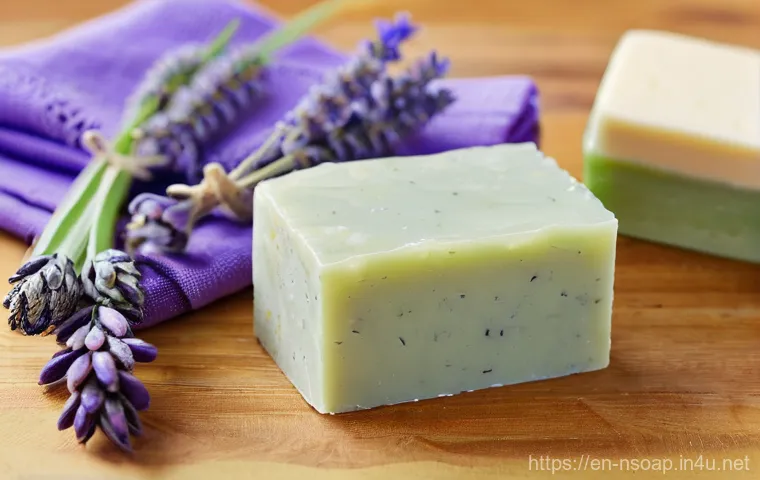
You know that tight, squeaky-clean feeling after washing your face or body with some conventional soaps? For years, I actually thought that meant it was working! Boy, was I wrong. That sensation, which many of us have grown accustomed to, often signals that your skin’s natural protective barrier has been stripped away. It’s like scrubbing a delicate antique with steel wool – it might look clean for a moment, but you’ve actually caused damage. My own journey into understanding natural soaps really started when I noticed my skin becoming increasingly dry and irritated, especially during the colder months. I realized that the products I was using, despite their appealing scents and foamy lather, were doing more harm than good in the long run. The science behind it is pretty clear: many commercial soaps contain harsh detergents and sulfates that are incredibly effective at removing dirt and oil, yes, but they don’t discriminate. They take everything, including the good stuff your skin needs to stay healthy and hydrated. It was a lightbulb moment for me.
The Stripping Truth About Commercial Soaps
Many conventional soaps use synthetic surfactants, like Sodium Lauryl Sulfate (SLS) or Sodium Laureth Sulfate (SLES), because they create a lot of lather and are cheap to produce. While they excel at cleaning, these powerful chemicals can be incredibly effective at dissolving the lipids (natural fats) in your skin’s outer layer. This outer layer, known as the skin barrier, is crucial for locking in moisture and protecting you from environmental aggressors and bacteria. When it’s compromised, your skin becomes vulnerable, leading to dryness, redness, itching, and even conditions like eczema. Think of it as a brick wall: if you dissolve the mortar between the bricks, the whole structure becomes unstable. I distinctly remember the relief when I switched to a truly natural bar – no more immediate post-wash tightness, just a soft, comfortable feel. It truly felt like my skin could finally breathe and retain its natural balance.
Natural Suds: A Kinder Approach
Natural soaps, on the other hand, are typically made through a process called saponification, combining natural oils (like olive, coconut, or shea butter) with a lye solution. This process creates soap and, importantly, glycerin – a natural humectant that draws moisture from the air to your skin. Unlike their synthetic counterparts, natural soaps gently cleanse without stripping away those vital natural oils. They work with your skin’s biology, rather than against it. My skin, which used to feel perpetually thirsty, started to feel genuinely hydrated and much more resilient. It was a subtle change at first, but after a few weeks, the difference was undeniable. It’s a completely different experience; your skin feels clean, yes, but also nourished and respected, not assaulted. This gentle approach is truly transformative for long-term skin health, offering a harmonious balance that synthetic detergents simply can’t match, because they prioritize raw cleaning power over skin integrity.
The Power of Plant-Based Ingredients
When you dive into the world of natural soaps, it’s not just about what they *don’t* have, but what incredible ingredients they *do* contain. It’s like discovering a secret garden of botanical goodness for your skin! For me, a huge part of the appeal became the intentional selection of plant-based oils, butters, and extracts, each bringing its own unique set of benefits to the table. We’re talking about ingredients that have been used for centuries, not just for their cleansing properties, but for their ability to soothe, heal, and protect. I remember being fascinated by the ingredient lists, seeing familiar names like shea butter and coconut oil, but also discovering more exotic ones like jojoba or avocado oil, and then really feeling the difference they made on my skin. It’s a stark contrast to the often-vague “fragrance” or “conditioners” listed in commercial products, which often mask synthetic chemicals. With natural soap, you get transparency and efficacy from nature’s bounty.
Decoding Nature’s Pharmacy in Your Soap
Let’s talk about some superstars. Olive oil, for instance, is packed with antioxidants and vitamins, offering deep moisturization and anti-aging properties. Coconut oil, known for its superb cleansing and lathering capabilities, also boasts antimicrobial properties, which can be fantastic for acne-prone skin. Shea butter, a personal favorite, is incredibly emollient, rich in vitamins A and E, and provides intense hydration, making it perfect for dry or sensitive skin. Jojoba oil closely mimics the skin’s natural sebum, helping to balance oil production without clogging pores. These aren’t just trendy additives; they are functional ingredients with established benefits. When I started understanding these components, I felt so much more empowered in my choices. It’s not just “soap”; it’s a carefully crafted blend designed to nourish your skin from the outside in, harnessing the power of plants to promote health and radiance. My skin began to glow in a way it never had before, a testament to these natural wonders.
Essential Oils: More Than Just a Pretty Scent
Beyond the base oils, many natural soaps incorporate essential oils, and this is where the sensory experience really comes alive, but it’s also where the therapeutic benefits truly shine. Unlike synthetic fragrances, which can be irritating and offer no real skin benefits, essential oils are concentrated plant extracts with potent properties. Lavender essential oil, for example, is renowned for its calming and anti-inflammatory effects, making it ideal for sensitive or irritated skin. Tea tree oil is a powerful antiseptic and antifungal, excellent for managing breakouts or fungal issues. Peppermint oil offers a refreshing sensation and can improve circulation. It’s not just about smelling good; it’s about harnessing the aromatic compounds for specific dermatological advantages. I’ve personally found that a soap with tea tree oil makes a noticeable difference in preventing body breakouts, and a lavender-infused bar helps me unwind before bed. It’s a holistic approach to skincare, engaging both your senses and your skin’s needs with ingredients that truly work in harmony with your body.
Hydration Heroes: Keeping Your Skin Supple
One of the most noticeable differences I experienced when switching to natural soap was the dramatic improvement in my skin’s hydration levels. Forget about that tight, thirsty feeling! Instead, my skin started to feel genuinely soft and plump, even before I applied lotion. It’s not magic; it’s just good science, working exactly as it should. The secret lies in specific components inherent to the natural soap-making process that are often deliberately removed from commercial products for various reasons. This realization was a game-changer for me. I used to slather on heavy creams immediately after showering, feeling like I was constantly playing catch-up with my skin’s dryness. Now, while I still moisturize, it feels more like an enhancement rather than an urgent necessity. This shift in my routine was a clear indicator that my skin barrier was finally getting the support it needed, leading to long-lasting comfort and a noticeable improvement in overall skin texture. It’s truly a testament to what happens when you choose products that actually nourish your skin instead of stripping it.
Glycerin: The Unsung Moisturizer
As I mentioned earlier, glycerin is a natural humectant that is a co-product of the saponification process. In natural soaps, it remains in the bar, ready to work its magic. Glycerin attracts moisture from the air to your skin, essentially acting like a magnet for hydration. This means that every time you use a natural bar of soap, you’re not just cleansing; you’re also giving your skin a little drink of water. Commercial soap manufacturers, however, often extract this valuable glycerin and sell it off to other industries, like lotions and cosmetics, because it’s a highly profitable ingredient. So, while you might be buying a “moisturizing” lotion, you’re actually replenishing the glycerin that was *removed* from your soap! It’s a clever, if somewhat disheartening, cycle. When I learned this, I felt a bit cheated, but it also solidified my commitment to natural soaps. Keeping that glycerin in the soap makes such a profound difference; my skin feels so much softer and less prone to flakiness now. It’s truly a built-in hydration boost that you won’t get from most conventional bars.
Fatty Acids: Building Blocks for Barrier Health
Beyond glycerin, the very oils and butters used in natural soaps are rich in fatty acids, which are absolutely vital for maintaining a healthy skin barrier. Ingredients like oleic acid (found in olive oil) and linoleic acid (in sunflower or safflower oil) are essential fatty acids that our bodies can’t produce on their own, yet they are crucial for skin integrity. They help to strengthen the skin’s lipid barrier, reducing transepidermal water loss (TEWL) – essentially, preventing moisture from evaporating from your skin. A strong, intact skin barrier is your first line of defense against environmental damage and irritation. When my skin barrier was compromised by harsh commercial soaps, it was constantly inflamed and reactive. By switching to natural soaps rich in these beneficial fatty acids, I felt my skin literally rebuilding its resilience. It became less red, less itchy, and much more capable of handling daily stressors. It’s like giving your skin the architectural materials it needs to repair and fortify itself, ensuring it stays supple and protected from within.
Soothing Sensitivities: Why Natural Works
For anyone who has struggled with sensitive skin, finding a soap that doesn’t cause a flare-up can feel like a lifelong quest. I’ve been there! My skin has always been a bit particular, reacting to artificial dyes, strong perfumes, and certain chemicals with redness and discomfort. It was a constant game of trial and error, often ending in disappointment. That’s why diving into natural soaps felt like such a revelation. The intentional omission of common irritants, combined with the presence of naturally soothing ingredients, creates a gentle haven for easily reactive skin. It’s not just a trend; it’s a fundamental shift in how we treat our largest organ. I remember the relief of finally using a soap that didn’t leave my face feeling like it was on fire, or my body itching uncontrollably. It felt like my skin could finally calm down and just *be* without constantly fighting off an assault of harsh ingredients. This discovery was incredibly empowering and changed my entire approach to skincare, proving that less truly can be more when it comes to keeping sensitive skin happy and healthy.
Bidding Farewell to Irritants
One of the biggest culprits in commercial soaps for sensitive skin are synthetic fragrances, dyes, and preservatives like parabens and phthalates. These chemicals can trigger allergic reactions, contact dermatitis, and exacerbate existing skin conditions. Natural soaps, especially those marketed as “unscented” or “fragrance-free,” intentionally avoid these irritants. They rely on the natural scents of their base oils or mild essential oils if added, and use natural methods to preserve the soap, or they simply have a short shelf life because they are made in smaller, more frequent batches. For me, simply removing artificial fragrances from my daily routine made a colossal difference. The constant low-level irritation I experienced vanished, replaced by a sense of calm. It’s amazing how much background noise these irritants create for your skin. When you eliminate them, your skin can finally breathe and heal, allowing its natural protective mechanisms to function optimally without constant interference. This simple act of subtraction can be profoundly impactful for sensitive individuals.
Calming Ingredients for Troubled Skin
Beyond the absence of irritants, many natural soaps are formulated with ingredients specifically chosen for their calming and healing properties. Take colloidal oatmeal, for example, which is known for its anti-inflammatory and itch-relieving qualities, making it a fantastic addition for those with eczema or psoriasis. Calendula oil, derived from marigold flowers, is another powerhouse, celebrated for its wound-healing and soothing capabilities. Aloe vera, a classic, provides hydration and reduces inflammation. When my skin was particularly angry, a natural soap infused with chamomile or lavender became my go-to. These ingredients aren’t just feel-good additions; they bring tangible, science-backed benefits that help to restore balance and comfort to troubled skin. It’s like a gentle hug for your skin, allowing it to recover and find its equilibrium. The cumulative effect of using such thoughtfully crafted products is truly remarkable; my skin transitioned from constantly reactive to pleasantly stable, a change I genuinely attribute to the mindful selection of these calming botanicals. It’s about proactive care, not just reactive treatment.
Environmental Embrace: Beyond Your Shower
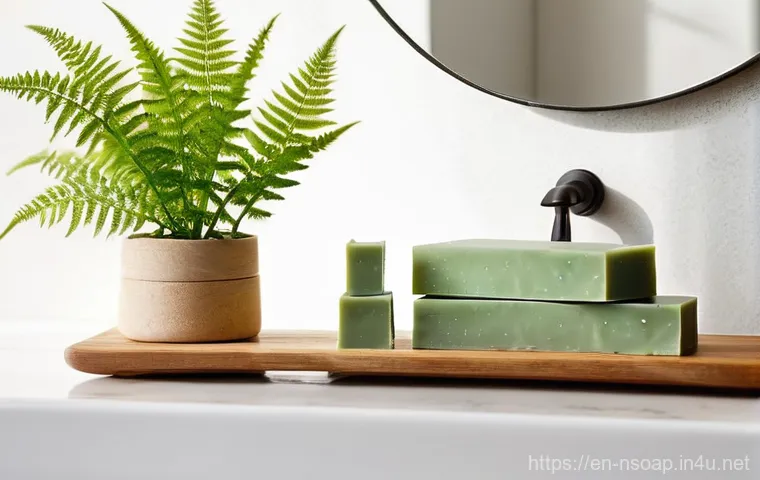
My journey into natural soaps didn’t just transform my skin; it also opened my eyes to the broader environmental impact of my daily choices. It’s a connection that, honestly, I hadn’t fully considered before. When you start looking at the ingredients in commercial liquid soaps and body washes, you quickly realize how much plastic packaging is involved and how many synthetic chemicals are literally going down the drain and into our water systems. Switching to natural bar soap felt like a small, tangible step towards a more sustainable lifestyle, and it’s a decision I’ve never regretted. It’s incredibly empowering to know that your daily routine can contribute positively to the planet, not just to your personal well-being. This shift wasn’t about becoming an eco-warrior overnight, but about making conscious, informed choices that align with my values. I truly believe that every little bit helps, and opting for natural, eco-friendly products is a powerful way to make a difference, one shower at a time. It’s about being a responsible consumer and understanding the ripple effect of our purchasing decisions.
A Smaller Footprint, A Bigger Impact
Think about the lifecycle of a typical bottle of liquid soap. It starts with the extraction of petroleum for the plastic, the energy-intensive manufacturing process, the transportation of heavy, water-filled products, and finally, the disposal of non-biodegradable plastic into landfills or, worse, our oceans. Natural bar soaps, by contrast, often come in minimal, biodegradable packaging, like recycled paper or cardboard. This significantly reduces plastic waste and the carbon footprint associated with transportation. Furthermore, the ingredients in natural soaps are generally biodegradable, meaning they break down safely in wastewater systems without polluting aquatic ecosystems with harsh chemicals. My bathroom counter looks so much cleaner now, free of plastic bottles, and it’s a subtle daily reminder that I’m making a better choice for the environment. It feels good, not just for my skin, but for my conscience. It’s a small change with a surprisingly large ripple effect, contributing to healthier oceans and less landfill waste. It’s an example of how individual actions, when multiplied, can lead to substantial collective benefits.
Sustainable Choices for a Greener Routine
Beyond packaging, the sourcing of ingredients in natural soaps often aligns with more sustainable practices. Many natural soap makers prioritize ethically sourced, organic, or fair-trade ingredients, supporting communities and minimizing the environmental impact of farming. This contrasts with the often-opaque supply chains of large commercial brands, where ingredient origins and environmental practices can be less transparent. By choosing natural soaps, you’re not just buying a product; you’re supporting a philosophy of mindful consumption and environmental stewardship. I’ve found so much joy in discovering small, local soap makers who are passionate about their craft and their commitment to sustainability. It feels good to support businesses that share these values. It’s an investment not only in your skin but also in a healthier planet for future generations. This holistic approach makes the daily act of washing feel like a positive contribution, connecting personal care with global responsibility in a meaningful way. It’s about choosing products that reflect a deeper respect for both our bodies and the Earth.
Decoding the Lather: What Makes it Different?
Alright, let’s talk about lather. For the longest time, I equated mountains of bubbles with superior cleaning power. If a soap didn’t foam up like a bubble bath commercial, I figured it wasn’t doing its job. Sound familiar? It’s a common misconception, heavily influenced by marketing. What I’ve learned is that the type of lather – and the ingredients that create it – can tell you a lot about a soap’s true nature and how it will interact with your skin. Natural soaps often have a different kind of lather compared to their synthetic counterparts, and understanding this difference was another crucial step in my natural soap education. It’s not necessarily about *less* lather, but often a *richer*, more *creamy* lather that feels incredibly luxurious without being aggressively stripping. My initial skepticism about the foam factor quickly dissipated once I understood the underlying chemistry. It’s less about visual theatrics and more about effective, gentle cleansing that respects your skin’s natural balance.
The Foam Factor: Natural vs. Synthetic
Commercial soaps and body washes often contain synthetic foaming agents, like sulfates, which create huge, airy bubbles. These are designed to give you that satisfying visual and sensory experience, but as we discussed, they can also be harsh. Natural soaps, on the other hand, derive their lather from the saponified oils themselves. Coconut oil, for instance, is known for producing big, fluffy bubbles, while olive oil creates a creamier, silkier lather. The combination of these oils results in a rich, dense foam that feels wonderfully indulgent but is much gentler on your skin. It might not be as voluminous as a sulfate-laden product, but it’s often more concentrated and effective. I’ve noticed that the lather from my natural soaps feels more substantial and less ephemeral, really coating the skin effectively for cleansing. It’s a different kind of clean – one that prioritizes skin health over mere sudsy spectacle. It’s about quality of lather, not just quantity.
The Science of Saponification
Saponification is the chemical reaction that transforms oils and lye into soap and glycerin. In this process, the triglycerides in the oils react with the lye (a strong alkali, typically sodium hydroxide for bar soap) to produce soap molecules. These soap molecules have a hydrophilic (water-loving) head and a hydrophobic (oil-loving) tail. This unique structure allows them to lift dirt, oil, and grime from your skin and rinse them away with water. What’s crucial to understand is that when done correctly, the lye is completely consumed in the reaction, leaving behind pure, skin-loving soap. Furthermore, natural soap makers often “superfat” their soaps, meaning they add a little extra oil beyond what’s needed to react with the lye. This ensures that there’s unreacted oil remaining in the finished bar, adding to its moisturizing properties. This careful balancing act is what makes natural soap so effective and gentle, far beyond the capabilities of many mass-produced chemical concoctions. It’s a beautiful example of chemistry working in harmony with nature for beneficial results.
| Feature | Natural Soap | Commercial Soap |
|---|---|---|
| Primary Cleansing Agents | Saponified plant oils (e.g., olive, coconut, shea butter) | Synthetic detergents (e.g., SLS, SLES) |
| Glycerin Content | Retained in the bar (natural humectant) | Often removed and sold separately |
| Lather Type | Creamy, dense, often less voluminous but richer | Large, airy bubbles, often profuse |
| Fragrance | Essential oils or unscented | Synthetic fragrances, perfumes |
| Additives/Preservatives | Natural extracts, clays, or none; short shelf life | Parabens, phthalates, artificial dyes, harsh preservatives |
| Environmental Impact | Biodegradable ingredients, minimal packaging | Non-biodegradable chemicals, plastic packaging |
Long-Term Skin Health: An Investment
Switching to natural soap isn’t just about a temporary fix or a fleeting trend; it’s genuinely an investment in your long-term skin health. I used to think of soap as just a means to get clean, nothing more. But after years of experiencing the profound positive changes in my skin since making the switch, I now view it as a foundational element of my skincare routine. It’s about building a strong, resilient skin barrier that can protect itself, heal effectively, and maintain its natural balance for years to come. This isn’t just wishful thinking; it’s backed by the consistent science of how natural ingredients interact with our skin’s biology. My skin no longer feels perpetually stressed or reactive; instead, it has a healthy glow and a noticeable smoothness that I didn’t have before. It’s like tending to a garden – give it good soil and natural nutrients, and it will flourish. This holistic approach ensures that you’re not just addressing immediate concerns but fostering an environment where your skin can truly thrive, preventing future issues rather than constantly chasing after solutions to problems caused by harsh products.
Nurturing Your Skin’s Future
By consistently using natural soaps that nourish and protect your skin’s barrier, you’re effectively creating a healthier canvas for every other product you use. When your skin is balanced and hydrated, it’s better able to absorb serums and moisturizers, making them more effective. You’re also reducing the cumulative exposure to harsh chemicals that can lead to premature aging, increased sensitivity, and other dermatological issues down the line. It’s a proactive approach to anti-aging and overall skin wellness. For me, this meant fewer fine lines appearing, a more even skin tone, and a significant reduction in irritation-related redness. It’s a subtle but powerful shift that compounds over time. Think of it as putting money into a savings account for your skin; each gentle wash, each dose of natural fatty acids and glycerin, contributes to a robust and healthy future for your complexion. It’s a small daily habit that yields impressive long-term dividends, ensuring your skin remains vibrant and resilient as you age gracefully.
The Cumulative Goodness of Natural Care
The beauty of natural soap, and indeed natural skincare in general, lies in its cumulative benefits. It’s not about instant, dramatic overhauls (though sometimes the initial relief can feel pretty dramatic!), but about consistent, gentle care that allows your skin to gradually heal, strengthen, and find its optimal state. Each time you use a natural bar, you’re providing your skin with beneficial lipids, natural humectants, and often therapeutic essential oils, without introducing damaging detergents or artificial additives. This continuous gentle treatment fosters an environment where your skin’s natural healing processes are supported, not hindered. My skin, which once seemed to be perpetually fighting something, now feels calm, balanced, and genuinely happy. This long-term relationship with natural products has truly transformed my perspective on skincare, moving from a reactive battle against symptoms to a proactive embrace of holistic wellness. It’s about letting your skin do what it’s naturally designed to do, with a little help from the incredible bounty of the plant world. It’s a commitment to kindness, and your skin will absolutely thank you for it in the years to come.
Final Thoughts
Well, we’ve covered quite a journey today, haven’t we? From debunking the myth of the “squeaky clean” feeling to exploring the incredible natural ingredients that truly nourish our skin, it’s clear that the world of natural soap is far more profound than just a simple cleansing bar. For me, this switch wasn’t just a product change; it was a complete shift in philosophy, a recognition that what we put on our bodies is just as important as what we put in them. My skin has never felt happier, healthier, or more resilient, and honestly, neither have I. It’s been a revelation, and I truly hope that sharing my experiences today has sparked a curiosity in you to explore this gentle, effective, and environmentally conscious path. Your skin deserves all the goodness and kindness it can get!
Handy Tips You’ll Love
1. Store Your Bar Properly: Natural soaps love to breathe! To make your beautiful bar last longer, always keep it on a well-draining soap dish. If it sits in a puddle, it’ll soften up and melt away much faster, which nobody wants. A good, airy spot will keep it firm and ready for its next use. Trust me, it makes a huge difference in the longevity of your investment!
2. Read Ingredient Labels: Don’t fall for “natural-looking” marketing. Always flip the bar over and read the ingredients. Look for actual plant oils (like olive, coconut, shea butter) and avoid long lists of synthetic chemicals, artificial dyes, and strong perfumes. The simpler, the better, often!
3. Expect a Transition Period: If you’ve been using commercial detergents for a long time, your skin might need a week or two to adjust to natural soap. Sometimes, people experience a brief “detox” period where skin might feel a little different, but this usually passes as your skin barrier rebalances. Be patient, it’s worth it!
4. Consider Unscented Options for Sensitive Skin: While essential oils are wonderful, if your skin is extremely reactive, start with an unscented natural soap. This minimizes any potential irritants and allows your skin to acclimate without any extra variables. You can always try scented ones later!
5. Versatility is Key: Many natural bar soaps are fantastic for more than just your body. I often use a gentle one for my face, and some can even be used for shaving or as a mild shampoo bar. It’s a great way to simplify your routine and reduce the number of products you need in your bathroom, saving space and money!
Key Takeaways
Stepping into the world of natural soap has been a game-changer for my skin, and it truly boils down to a few core principles that I’ve come to cherish. Firstly, understanding that your skin’s natural barrier is its best defense, and harsh commercial soaps often strip it away, leading to dryness and irritation. Natural soaps, on the other hand, respect and nourish this barrier, thanks to their glycerin content and beneficial fatty acids from plant-based oils. This foundational difference means your skin stays hydrated, balanced, and resilient, feeling less like a constant battle and more like a happy, healthy ecosystem. Secondly, the power of plant-based ingredients is undeniable; from soothing shea butter to antiseptic tea tree oil, nature provides everything our skin needs without the need for synthetic fillers or artificial fragrances. This not only benefits your skin but also aligns with a more environmentally conscious lifestyle, reducing plastic waste and chemical runoff. My personal experience has been one of profound relief and lasting improvement, moving from perpetually problematic skin to a complexion that feels genuinely cared for and vibrantly alive. Choosing natural soap is more than just a purchase; it’s an investment in your well-being, a commitment to kindness for both your body and the planet, and a decision I wholeheartedly encourage everyone to explore. It’s truly a small switch that delivers monumental results.
Frequently Asked Questions (FAQ) 📖
Q: Are natural soaps really better for my skin, or is it just clever marketing?
A: Oh, I totally get why you’d ask that! With so much hype around “natural” everything these days, it’s easy to feel a bit skeptical. But from my own experience, and truly, diving deep into what goes into these bars, I can confidently say that the benefits of truly natural soaps are absolutely genuine, not just clever marketing.
Think about it: conventional soaps often contain a whole cocktail of synthetic detergents, harsh sulfates that create that big lather, and artificial fragrances that, while smelling lovely, can be serious irritants for many of us.
These ingredients are designed to strip away everything, and unfortunately, that often includes your skin’s precious natural oils, leaving it feeling tight, dry, and sometimes even a little angry.
Natural soaps, on the other hand, are a completely different ballgame. They’re crafted with nourishing ingredients like rich botanical oils, creamy butters, and essential oils that work with your skin, not against it.
The real magic, for me, lies in the glycerin. This incredible humectant is a natural byproduct of the soap-making process, and it’s fantastic at drawing moisture into your skin, keeping it soft and hydrated.
Commercial manufacturers often remove this valuable glycerin to sell in other products, which, to me, feels like a real missed opportunity for your skin!
So, when I switched, I immediately noticed my skin felt calmer, more moisturized, and just genuinely happier. It’s a noticeable difference, trust me!
Q: What specific ingredients should I look for in a natural soap to target my skin concerns?
A: This is such a smart question because “natural” isn’t a one-size-fits-all solution! Just like choosing the right skincare, picking the perfect natural soap means knowing what ingredients will love your unique skin.
From my own trials and errors, I’ve found a few heroes that truly make a difference for common concerns:For dry or sensitive skin, you’ll want to gravitate towards ingredients that are super moisturizing and gentle.
Look for soaps rich in shea butter, olive oil, or even goat milk. These are incredibly nourishing and help maintain your skin’s natural barrier. I remember one winter, my skin was so flaky, and a goat milk and honey soap was an absolute savior – it felt like a warm hug for my skin!
Oatmeal is another fantastic choice for sensitive or eczema-prone skin because it’s incredibly soothing. If you’re battling oily or acne-prone skin, don’t think you need harsh chemicals!
Natural options like activated charcoal are brilliant for deep cleansing and drawing out impurities. Tea tree oil and neem are also fantastic antibacterial and anti-inflammatory powerhouses that can help keep breakouts at bay.
When my T-zone was being particularly rebellious, a charcoal soap became my go-to, and I was genuinely surprised at how much clearer my complexion looked without feeling stripped.
For those looking for a bit of brightening or an even skin tone, ingredients like turmeric or rose and glycerin can be wonderful. They offer gentle care while promoting a more radiant look.
Always check the full ingredient list, even if it says “handmade”. The best natural soaps will clearly list plant-based oils, butters, and essential oils, giving you confidence in what you’re putting on your skin.
Q: Beyond my skin, how do natural soaps actually contribute to a ‘healthier planet’?
A: This is where natural soaps really shine, and it’s a huge reason why I’ve become such a passionate advocate! When you choose natural, you’re not just making a better choice for your skin, you’re actively participating in a more sustainable lifestyle.
The environmental benefits are truly substantial. Firstly, natural soaps are overwhelmingly biodegradable. Unlike many conventional soaps or detergents that contain complex synthetic chemicals which can linger in our water systems, natural soaps made from plant-based oils and butters break down much more easily and quickly.
This means less chemical runoff polluting our rivers and oceans, and less harm to aquatic life. I honestly feel so much better rinsing off, knowing that what’s going down the drain isn’t going to stick around for hundreds of years.
Secondly, let’s talk about packaging and waste. A huge number of natural soaps come in minimal, often recyclable, or even compostable packaging, like simple paper wraps or cardboard boxes.
This significantly reduces plastic waste, a problem we’re all too familiar with. Think of all those plastic bottles of body wash you avoid! It’s such a small switch that makes a massive impact.
Plus, many natural brands focus on ethical sourcing of their ingredients and sustainable production practices, which means supporting companies that care about the planet from start to finish.
It’s a genuine win-win, and honestly, making that small choice each day feels incredibly rewarding.