Running a blog about natural soap is a rewarding way to share your passion for eco-friendly skincare while connecting with like-minded enthusiasts. As more people seek gentle, chemical-free alternatives, your insights can help guide their choices and build a loyal community.
But standing out in this niche requires smart content strategies and authentic storytelling. From product reviews to DIY recipes, there’s so much you can explore to keep readers engaged.
Let’s dive into some proven tips that can elevate your natural soap blog to the next level! I’ll make sure you get all the details you need.
Crafting Captivating Content That Resonates
Understanding Your Audience’s Needs
It’s crucial to get inside the heads of your readers—most natural soap enthusiasts are looking for products that are gentle, effective, and environmentally responsible.
When you write, think about the common concerns they might have: allergies, skin sensitivities, or even ethical sourcing. I found that addressing these concerns upfront, like explaining why coconut oil is a popular base ingredient or how essential oils benefit different skin types, really boosts engagement.
Sharing personal stories about how certain soaps helped with my own dry skin issues made my posts feel more authentic and trustworthy. Don’t shy away from inviting your readers to share their own experiences; it turns your blog into a genuine community hub.
Balancing Informative and Relatable Tone
People come to your blog not just for facts but for connection. While it’s tempting to dive deep into the chemistry behind soapmaking, I’ve learned that breaking down complex terms into simple, everyday language keeps readers hooked.
For instance, instead of saying “saponification,” try “the natural process that turns oils into soap.” Adding little anecdotes, like how I once tried a DIY lavender soap that ended up too soft, makes the content approachable and fun.
This conversational style encourages readers to linger, comment, and return for more.
Incorporating Visual Storytelling
Words are powerful, but combining them with visuals creates a richer experience. High-quality photos of your soap batches, step-by-step images from your DIY tutorials, or even short videos showing the lather and texture can dramatically improve how readers perceive your content.
I noticed that posts with vibrant, natural lighting and clear shots get more shares and longer reading times. Plus, visuals help explain complicated steps without overwhelming your audience with text.
Don’t forget to include captions that tell the story behind each image—this little touch adds personality and depth.
Unlocking the Power of SEO Without Losing Authenticity
Smart Keyword Integration
SEO can feel intimidating, but it doesn’t have to turn your blog into a robotic mess of keywords. I’ve found that weaving in natural phrases your audience uses—like “best natural soap for sensitive skin” or “how to make soap without chemicals”—in headings and throughout the text helps search engines find you without sacrificing flow.
Tools like Google’s Keyword Planner or Ubersuggest can reveal what people really type when searching for natural soaps. The trick is to sprinkle these terms thoughtfully rather than stuffing them everywhere, which can backfire and annoy readers.
Optimizing Meta Descriptions and Titles
Your blog’s title and meta description are like the front door and welcome mat—they need to entice people to step inside. Crafting catchy, clear titles that include your main keywords but also promise value is key.
For example, “Top 5 DIY Natural Soap Recipes for Glowing Skin” tells readers exactly what they’ll get. Meta descriptions should be a concise invitation, highlighting benefits and stirring curiosity.
I always write these last to capture the essence of my post, which helps improve click-through rates from search results.
Leveraging Internal and External Links
Linking to your own relevant posts keeps readers exploring your site longer, which search engines love. For instance, if you’re writing about soap ingredients, linking to a detailed post about essential oils creates a nice flow.
External links to reputable sources—like dermatologists or eco-certification organizations—boost your blog’s credibility. I personally check each source to ensure it’s trustworthy before linking.
This practice also subtly positions you as a knowledgeable curator, not just a blogger.
Building Trust Through Honest Product Reviews
Sharing Genuine Experiences
When I started reviewing natural soaps, I made a point to be brutally honest about what worked and what didn’t. Readers appreciate transparency; if a soap caused dryness or had an overpowering scent, I said so.
At the same time, I highlighted unique qualities like texture, longevity, and scent profiles. This balanced approach builds credibility and encourages brands to send samples for future reviews.
Plus, it turns your blog into a reliable resource where readers feel confident making purchase decisions.
Highlighting Ingredients and Benefits
Detailing each product’s ingredients and explaining their benefits helps readers understand why a soap might suit their needs. For example, noting that shea butter is excellent for moisturizing or activated charcoal helps detoxify skin adds real value.
I find that creating ingredient spotlight sections within my reviews not only educates readers but also improves SEO by targeting specific search terms.
It’s a win-win—your audience learns and your blog ranks better.
Encouraging Reader Interaction
Inviting readers to comment on your reviews or share their own opinions fosters community and increases engagement metrics. I often end reviews with questions like, “Have you tried this soap?
What did you think?” or “What’s your favorite natural soap brand?” This sparks conversations and makes visitors feel heard. Over time, I noticed that this interaction also boosts my blog’s visibility and helps me discover new products to feature.
Enhancing Reader Experience with DIY Tutorials
Step-by-Step Guidance
DIY tutorials are a fantastic way to engage readers who want to create their own natural soaps at home. I always break down the process into clear, manageable steps with detailed explanations for each.
Sharing tips I’ve learned through trial and error—like the best way to measure lye safely or how to fix a soap batch that didn’t set—makes the instructions more relatable and less intimidating.
These personal touches encourage beginners to give soapmaking a try without fear.
Offering Variations and Customization Ideas
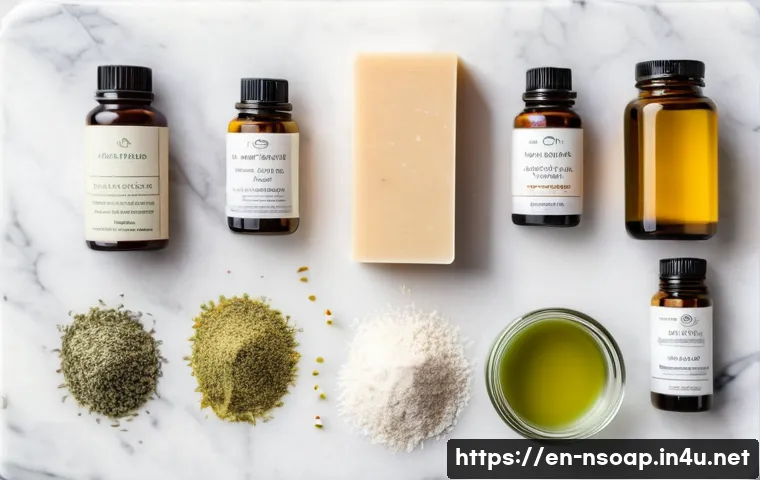
To keep tutorials fresh and adaptable, I suggest variations on basic recipes. For example, swapping out lavender for peppermint oil or adding oatmeal for exfoliation lets readers experiment and find what suits their preferences.
Sharing ideas for colorants, molds, and packaging also inspires creativity. I noticed that posts with these extra options tend to get more shares because readers appreciate the flexibility.
Providing Printable Resources
Many readers love having downloadable PDFs or printable checklists to follow along offline. I created a simple printable version of my most popular soap recipe, and the positive feedback was overwhelming.
It adds convenience and shows you care about your audience’s experience beyond the screen. Including these extras can even be a subtle way to grow your email list by offering them as free downloads in exchange for subscriptions.
Utilizing Social Media to Amplify Your Reach
Selecting the Right Platforms
Not all social media channels are created equal for a natural soap blog. I found Instagram and Pinterest to be gold mines because they’re highly visual and attract users interested in handmade and eco-friendly products.
Sharing behind-the-scenes photos, quick tips, or before-and-after shots of soap batches generates excitement. Facebook groups focused on natural skincare are also great for connecting with niche communities and sharing blog posts.
Creating Shareable Content
Content that’s easily shareable—like infographics on soap benefits or short how-to videos—can dramatically increase your blog’s visibility. I try to create bite-sized posts that followers can repost or pin.
Using relevant hashtags and engaging captions helps reach new audiences. The key is consistency; posting regularly keeps your blog top of mind and builds a loyal following over time.
Engaging with Your Audience
Responding promptly to comments, messages, and mentions on social media humanizes your brand and fosters loyalty. I make it a habit to thank followers for sharing my posts or ask questions to keep conversations going.
This two-way interaction not only improves your blog’s reputation but also provides valuable feedback and content ideas straight from your community.
Understanding Soap Ingredients to Educate and Inspire
Common Natural Oils and Their Properties
Oils like olive, coconut, and castor are the backbone of many natural soaps, each offering unique benefits. Olive oil is gentle and moisturizing, coconut oil creates a rich lather, and castor oil adds creaminess.
I often explain how blending these oils balances cleansing and hydration, helping readers grasp why certain recipes work better for different skin types.
Sharing my personal favorites and how I tweak oil ratios based on season or skin condition adds a relatable touch.
The Role of Essential Oils in Fragrance and Skin Care
Essential oils not only provide lovely scents but also therapeutic benefits—lavender calms, tea tree fights acne, and eucalyptus refreshes. I love experimenting with blends and sharing the stories behind them, like how I created a calming bedtime soap with chamomile and lavender.
Explaining safety tips, such as dilution ratios and skin sensitivities, shows you care about your readers’ well-being and builds trust.
Understanding Additives and Their Benefits
Additives like clays, herbs, and exfoliants enhance natural soaps in exciting ways. For example, bentonite clay detoxifies, dried calendula petals soothe, and ground coffee grounds offer gentle exfoliation.
I describe how these ingredients work and suggest which skin types might benefit most. Presenting this info in an easy-to-digest format empowers readers to make informed choices or customize their own soaps confidently.
| Ingredient | Benefit | Best For | Notes |
|---|---|---|---|
| Olive Oil | Moisturizing, gentle | Dry and sensitive skin | Creates a mild, conditioning bar |
| Coconut Oil | Cleansing, bubbly lather | Oily and normal skin | Can be drying if overused |
| Castor Oil | Rich, creamy lather | All skin types | Often blended with other oils |
| Lavender Essential Oil | Calming, soothing | All skin types | Popular for relaxation soaps |
| Bentonite Clay | Detoxifying, oil absorbing | Oily and acne-prone skin | Improves soap hardness |
글을 마치며
Creating engaging, trustworthy content about natural soap not only educates but also builds a loyal community. By understanding your audience, blending informative and relatable tones, and using visuals effectively, your blog can stand out. Remember to balance SEO techniques with authenticity to connect genuinely with readers. Honest reviews and DIY tutorials further deepen trust and encourage interaction. Ultimately, your passion and knowledge will inspire others to embrace natural skincare confidently.
알아두면 쓸모 있는 정보
1. Knowing your audience’s concerns, like allergies and ethical sourcing, helps tailor content that truly resonates and builds trust.
2. Simplifying technical terms and sharing personal anecdotes makes complex topics approachable and keeps readers engaged longer.
3. High-quality visuals paired with descriptive captions enhance understanding and encourage sharing, increasing your blog’s reach.
4. Thoughtful keyword integration and well-crafted meta descriptions improve search visibility without sacrificing natural flow.
5. Encouraging reader interaction through questions and social media engagement fosters a sense of community and boosts blog performance.
중요 사항 정리
To succeed in natural soap blogging, focus on creating authentic, audience-centered content that combines expertise with personal experience. Use clear, relatable language and support your posts with vibrant visuals to enhance comprehension. Balance SEO strategies by integrating keywords naturally and optimizing meta elements to attract organic traffic. Build credibility through honest product reviews that highlight ingredients and benefits, and foster active engagement by inviting reader participation. Lastly, leverage social media platforms wisely to amplify your blog’s presence and nurture a loyal community around your passion for natural skincare.
Frequently Asked Questions (FAQ) 📖
Q: How can I make my natural soap blog stand out among so many others?
A: To truly stand out, focus on authentic storytelling that reflects your personal journey with natural soap. Share unique experiences, challenges, and successes you’ve encountered—readers crave genuine connections.
Additionally, incorporating detailed DIY recipes, honest product reviews, and eco-friendly lifestyle tips can set your blog apart. Don’t forget to optimize your content for SEO with relevant keywords like “chemical-free soap” or “eco-friendly skincare,” which helps attract the right audience.
Engaging visuals and regular interaction with your community also build loyalty and keep readers coming back.
Q: What types of content should I prioritize to keep my readers engaged on a natural soap blog?
A: Mixing up your content is key. Start with in-depth product reviews where you share your honest opinions based on firsthand use—people trust real feedback.
DIY tutorials for making soap at home are hugely popular and offer practical value. Also, write about the benefits of natural ingredients, seasonal skincare tips, and eco-conscious living habits.
Sharing stories from your readers or guest posts from experts adds fresh perspectives. Lastly, including videos or step-by-step photos can boost engagement because many readers appreciate visual guidance alongside written content.
Q: How do I effectively monetize my natural soap blog without losing reader trust?
A: Monetization works best when it feels natural and adds value. Affiliate marketing is a great option—recommend products you genuinely love and explain why they stand out.
Sponsored posts can work, but always disclose partnerships honestly to maintain transparency. Offering your own e-books or courses on soap-making can create a deeper connection and generate income.
Ads can be placed strategically where they don’t disrupt the reading experience, such as between sections or in sidebars. Above all, prioritize your audience’s trust by sharing honest opinions and avoiding aggressive sales tactics.
I’ve found that readers appreciate authenticity more than anything else.