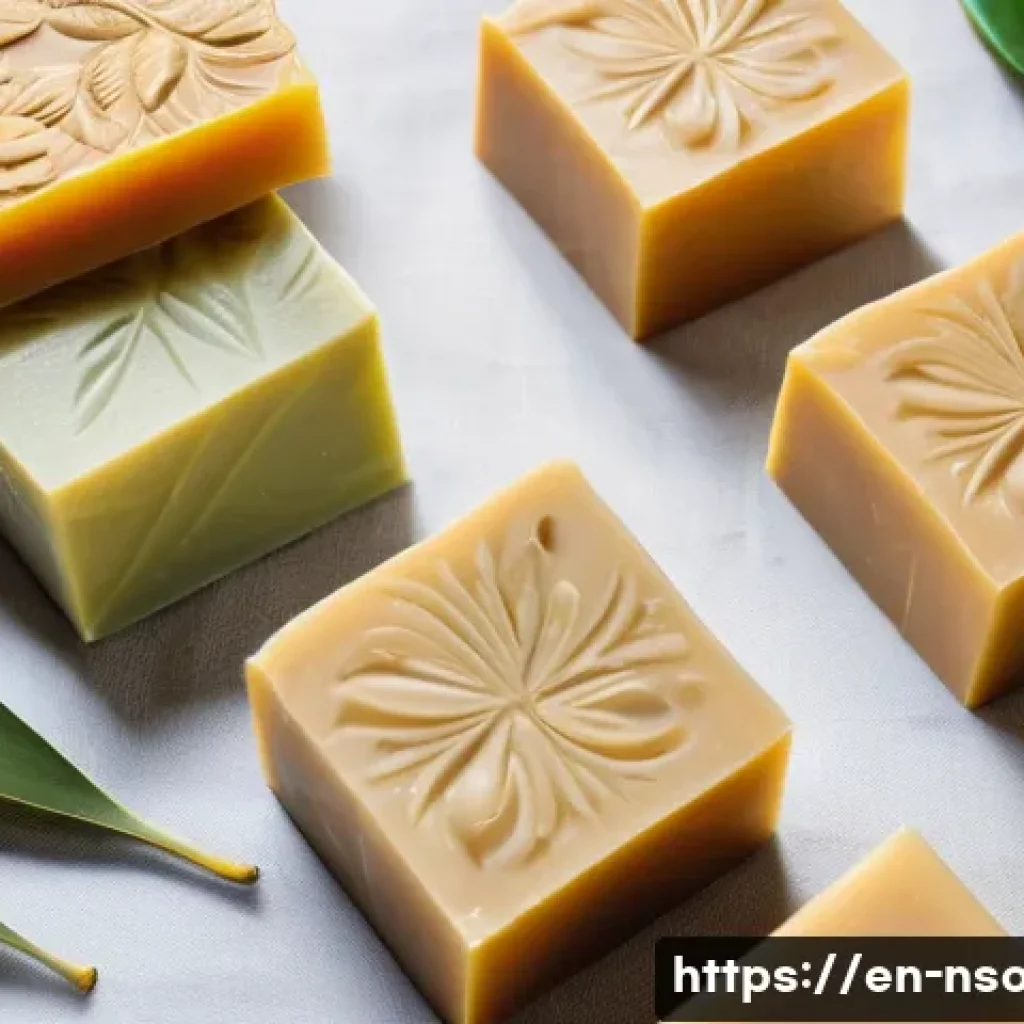
Choosing the right natural soap can transform your daily skincare routine, offering gentle care without harsh chemicals. With an increasing number of options on the market, it’s essential to know which products truly deliver on their promises.
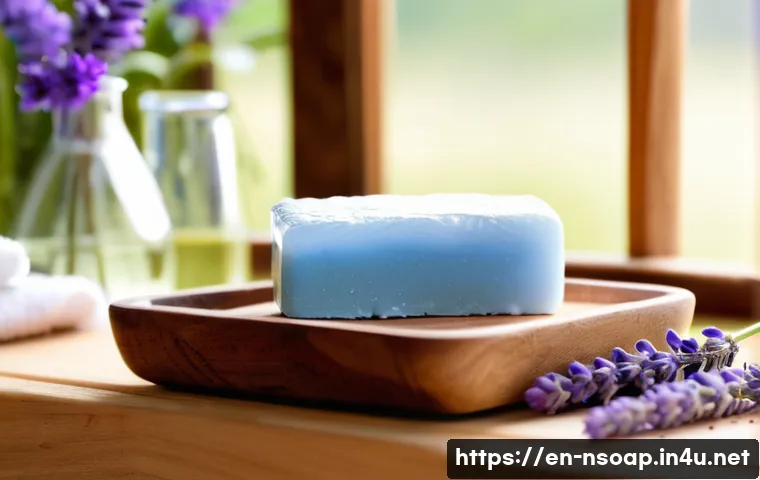
Whether you’re looking for moisturizing benefits, soothing ingredients, or eco-friendly packaging, there’s something tailored for everyone. I’ve tried several brands myself and discovered some standout choices that not only feel great but also align with sustainable values.
Let’s dive into the best natural soaps available today and see what makes them so special. Keep reading, and I’ll guide you through everything you need to know!
Understanding the Ingredients That Make Natural Soaps Stand Out
The Power of Plant-Based Oils and Butters
When I first started exploring natural soaps, I realized that the oils and butters used as the base make a massive difference. Ingredients like shea butter, coconut oil, and olive oil are rich in fatty acids that nourish and hydrate the skin deeply.
Unlike synthetic detergents, these natural fats help maintain the skin’s moisture barrier, leaving it feeling soft and supple rather than stripped or tight.
Personally, I noticed a huge improvement in my skin texture after switching to a soap with a high concentration of these oils—it felt more balanced and less prone to dryness.
Essential Oils and Their Aromatherapeutic Benefits
Another aspect that truly elevates natural soaps is the inclusion of essential oils. Lavender, tea tree, eucalyptus, and chamomile are not just fragrant; they also bring calming, antiseptic, or anti-inflammatory properties.
When I used a lavender-infused soap after a long day, the scent alone helped me unwind, while my skin felt soothed without irritation. It’s these subtle yet powerful effects that synthetic fragrances simply can’t replicate.
Plus, essential oils support the skin’s health in a way that’s gentle and natural.
Natural Exfoliants and Botanicals for Added Care
What’s really exciting is how some natural soaps combine exfoliating elements like oatmeal, ground almonds, or coffee grounds to gently buff away dead skin cells.
This helps keep your skin smooth without resorting to harsh scrubs that can cause micro-tears. I’ve found that using a soap with finely ground botanicals a couple of times a week gives my skin a fresh glow without over-drying.
The presence of herbs like calendula or chamomile petals also adds a soothing touch that’s perfect for sensitive skin types.
Choosing Sustainable Packaging and Ethical Brands
Why Packaging Matters More Than You Think
It’s easy to overlook packaging when you’re focused on the soap itself, but I’ve learned that eco-friendly packaging is an essential part of choosing a natural product.
Biodegradable wrappers, recycled paper boxes, or minimal plastic use all reduce environmental impact. I feel better knowing that my skincare routine isn’t contributing to landfill waste.
Brands that invest in sustainable packaging often reflect a broader commitment to ethical practices, which is important to me as a conscious consumer.
Certifications and Transparency in Sourcing
When I check out natural soaps, I always look for certifications like USDA Organic, Fair Trade, or Leaping Bunny cruelty-free logos. These seals give me confidence that the ingredients were responsibly sourced and that no animals were harmed in the process.
Transparency is key—brands that openly share their sourcing stories and production methods tend to be more trustworthy. It’s reassuring to support companies that prioritize both people and the planet.
Supporting Small Businesses and Artisans
There’s something special about buying natural soap from small-scale producers or artisans. Often handmade in small batches, these soaps tend to have unique qualities and fresh ingredients.
I’ve discovered some of my favorite scents and textures through local markets or online shops run by passionate makers. Supporting these businesses feels more personal and meaningful, plus you’re more likely to get a product crafted with care and attention rather than mass-produced.
How to Match Natural Soaps to Your Skin Type
Oily and Acne-Prone Skin Needs Gentle Cleansing Without Overdrying
If your skin tends to get oily or you struggle with breakouts, you want a soap that clears excess oil but doesn’t strip essential moisture. Soaps containing tea tree oil or charcoal are excellent because they balance oil production and have antibacterial properties.
I tried one with activated charcoal and noticed my skin felt cleaner and less shiny without that tight, uncomfortable sensation after washing. It’s about finding the right balance—not harsh chemicals, but effective cleansing.
Dry and Sensitive Skin Craves Extra Hydration and Soothing Ingredients
For dry or sensitive skin, hydration is everything. Look for natural soaps rich in moisturizing oils like jojoba, coconut, or shea butter. Ingredients like oatmeal or aloe vera provide calming relief from irritation.
I personally switched to a soap with colloidal oatmeal when my skin was feeling particularly flaky, and it helped restore softness and reduce redness.
These soaps are gentle enough for daily use and won’t aggravate sensitive skin.
Combination Skin Benefits from Versatile Formulas
Combination skin can be tricky because you need to address both dry and oily areas. Natural soaps with a balanced blend of oils and botanical extracts are great here.
I found that a formula containing olive oil and chamomile worked well—it cleansed my oily T-zone without drying out the cheeks. Choosing a soap that’s not overly stripping but still effective helps maintain healthy skin all over.
Exploring Unique Natural Soap Varieties for Specific Needs
Goat Milk Soaps for Nourishment and Gentle Exfoliation
Goat milk soaps are a favorite of mine for their creamy texture and natural lactic acid content, which gently exfoliates while moisturizing. This type of soap feels luxuriously smooth on the skin and is excellent for those with sensitive or aging skin.
I noticed my skin looking brighter and feeling softer after using goat milk soap consistently. The natural fats in goat milk also help maintain hydration and soothe inflammation.
Clay-Based Soaps for Detoxifying and Balancing
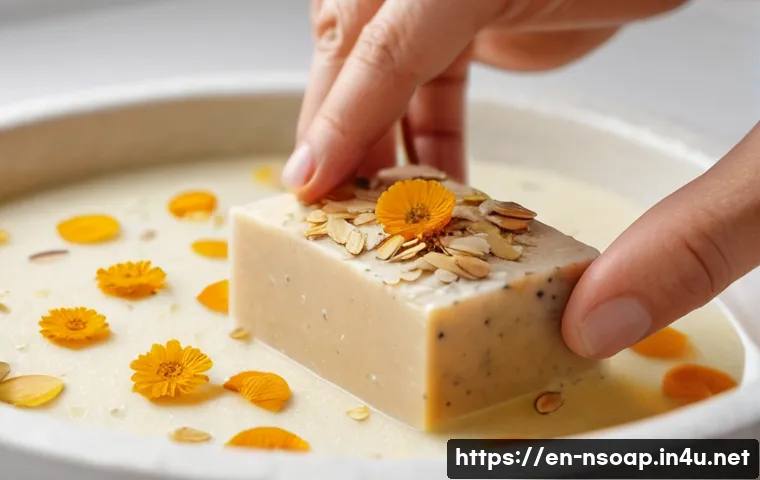
Soaps infused with clays like bentonite, kaolin, or rhassoul offer detoxifying benefits by drawing out impurities and excess oils. These are particularly useful for oily or acne-prone skin types.
I tried a bentonite clay soap during a week of heavy pollution exposure, and it really helped clear my pores and calm redness. Clay soaps can also improve skin texture and give a matte finish, making them a versatile option.
Charcoal and Activated Carbon for Deep Cleansing
Activated charcoal is a powerhouse ingredient in natural soaps, known for its ability to absorb toxins and pollutants from the skin. It’s a great choice for city dwellers or anyone exposed to environmental stressors.
Using a charcoal soap felt like a mini detox in my shower routine, leaving my skin feeling incredibly refreshed and clean. Just be cautious if your skin is very dry, as charcoal can sometimes be a bit drying if used too frequently.
Tips for Maximizing the Benefits of Natural Soap in Your Routine
How to Properly Store and Use Natural Soap Bars
One thing I learned the hard way is that natural soap bars need proper storage to last and perform well. Keeping the soap dry between uses by placing it on a well-draining dish prevents it from becoming mushy and extends its lifespan.
I keep mine near a window where air circulates, and it stays firm and fresh for weeks. Also, using a gentle lathering technique rather than rubbing hard helps the soap glide better and preserves its texture.
Pairing Natural Soap with Complementary Skincare Products
Natural soaps work best when paired with products that support your skin type and the soap’s effects. For instance, after using a moisturizing soap, applying a lightweight natural oil or a gentle, fragrance-free moisturizer seals in hydration.
When I combined a calendula soap with a jojoba oil serum, my skin felt nourished and less irritated during colder months. Think of soap as the first step in a holistic skincare approach rather than a standalone solution.
Adjusting Frequency Based on Skin Needs and Environment
Your skin’s needs can change with seasons, stress, or lifestyle, so it’s important to adjust how often you use certain soaps. For example, during dry winter months, I reduce exfoliating soap use to prevent over-drying, while in summer, I might use a charcoal soap more frequently to manage sweat and oil.
Listening to your skin’s signals is key—natural soaps are gentle, but overuse of any product can lead to imbalance.
Comparing Popular Natural Soaps: Key Features at a Glance
| Soap Brand | Main Ingredients | Best For | Packaging | Price Range |
|---|---|---|---|---|
| Herbal Glow | Olive oil, lavender, oat extract | Dry and sensitive skin | Recycled paper box | $8 – $12 |
| Charcoal Detox | Activated charcoal, tea tree oil, coconut oil | Oily and acne-prone skin | Biodegradable wrap | $10 – $15 |
| Goat Milk Bliss | Goat milk, shea butter, honey | Sensitive and aging skin | Minimal plastic jar | $12 – $18 |
| Clay Cleanse | Bentonite clay, aloe vera, jojoba oil | Combination skin | Recyclable cardboard sleeve | $9 – $14 |
| Botanical Exfoliate | Ground almonds, calendula, coconut oil | All skin types needing gentle exfoliation | Reusable tin | $11 – $16 |
How Personal Experience Shapes the Choice of Natural Soaps
Trial and Error Leads to Finding Your Perfect Match
From my own journey, it’s clear that no single soap fits everyone perfectly. I had to try multiple brands and formulations before finding what worked best for my skin’s quirks.
Don’t get discouraged if the first natural soap you pick doesn’t feel right—it’s about experimenting with ingredients and textures until you discover your personal favorites.
This approach has made my skincare routine more enjoyable and effective.
The Emotional Connection with Natural Products
Using natural soap isn’t just about physical benefits; it’s also about the experience. The scents, textures, and even the story behind the soap add a layer of enjoyment to a simple daily task.
For me, certain scents evoke memories or calm my mind, turning washing my face or hands into a moment of self-care rather than a chore. This emotional connection is something synthetic products rarely offer.
Sharing Recommendations Builds a Community of Care
I’ve also found that sharing my favorite natural soaps with friends and family creates a ripple effect of healthier skincare choices. People appreciate honest feedback and are often curious to try what I recommend.
This sense of community around natural, sustainable products makes the experience richer and more rewarding. It’s not just about what’s in the soap, but also about connecting with others who value mindful living.
Wrapping Up
Natural soaps offer a unique blend of nourishing ingredients and thoughtful craftsmanship that truly benefits your skin and the environment. Choosing the right soap tailored to your skin type can transform your daily routine into a moment of self-care. Embracing sustainable and ethical brands also supports a healthier planet. Ultimately, it’s about discovering what works best for you and enjoying the experience along the way.
Useful Information to Keep in Mind
1. Always check the ingredient list to ensure the soap contains natural oils and butters that suit your skin’s needs.
2. Proper storage, like using a well-draining soap dish, helps extend the life and effectiveness of your soap bar.
3. Pair your natural soap with complementary skincare products, such as gentle moisturizers or oils, for enhanced benefits.
4. Adjust how often you use exfoliating or detoxifying soaps based on your skin’s condition and seasonal changes.
5. Supporting small, ethical brands often means getting products made with care and a commitment to sustainability.
Key Takeaways
Choosing natural soaps means prioritizing ingredients that nourish and protect your skin without harsh chemicals. Pay attention to your skin type and select soaps with oils, botanicals, and exfoliants tailored for your unique needs. Sustainable packaging and ethical sourcing reflect a brand’s integrity, so look for transparency and certifications. Lastly, the personal experience and emotional connection with your soap can elevate everyday routines into mindful self-care rituals that benefit both you and the planet.
Frequently Asked Questions (FAQ) 📖
Q: How do I know if a natural soap is truly free from harsh chemicals?
A: Great question! When choosing natural soap, the ingredient list is your best friend. Look for products that avoid synthetic fragrances, parabens, sulfates, and artificial dyes.
Many reputable brands will clearly label their soaps as free from these harsh chemicals. Additionally, certifications like USDA Organic or Ecocert can add extra assurance.
From my experience, soaps with simple, recognizable ingredients like olive oil, shea butter, and essential oils tend to be gentle and effective without the nasty additives.
Q: Can natural soaps really moisturize my skin as well as regular body washes?
A: Absolutely, and sometimes even better! Unlike many conventional body washes that strip away natural oils, natural soaps often contain nourishing ingredients like coconut oil, honey, and aloe vera that help lock in moisture.
Personally, switching to a natural soap made a noticeable difference in my skin’s softness and hydration, especially during dry seasons. Just remember to choose a soap suited to your skin type—some are formulated specifically for dry or sensitive skin, which can make all the difference.
Q: Are eco-friendly packaging and sustainability important when picking natural soap?
A: Definitely! If you care about the environment, choosing soaps with eco-friendly packaging is a smart move. Many natural soap brands use biodegradable wrappers, recycled paper, or compostable boxes, reducing plastic waste significantly.
From what I’ve seen, brands that emphasize sustainability also tend to prioritize ethical sourcing and cruelty-free practices, which aligns with a holistic approach to skincare.
Supporting these companies feels good knowing you’re helping reduce your ecological footprint while taking care of your skin.