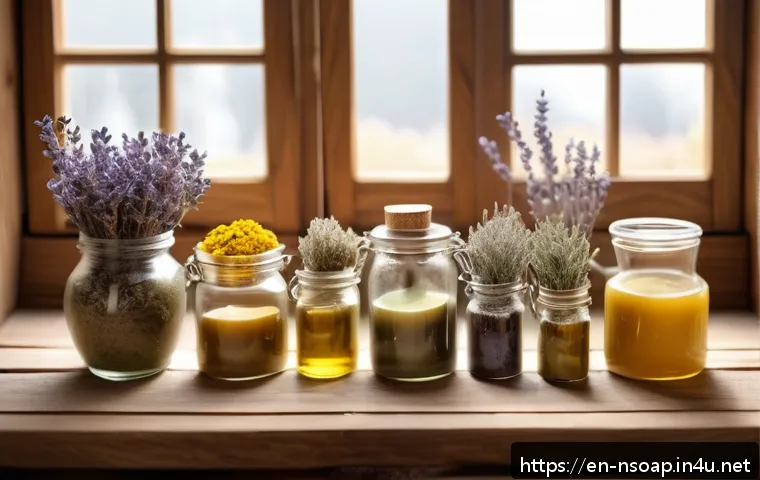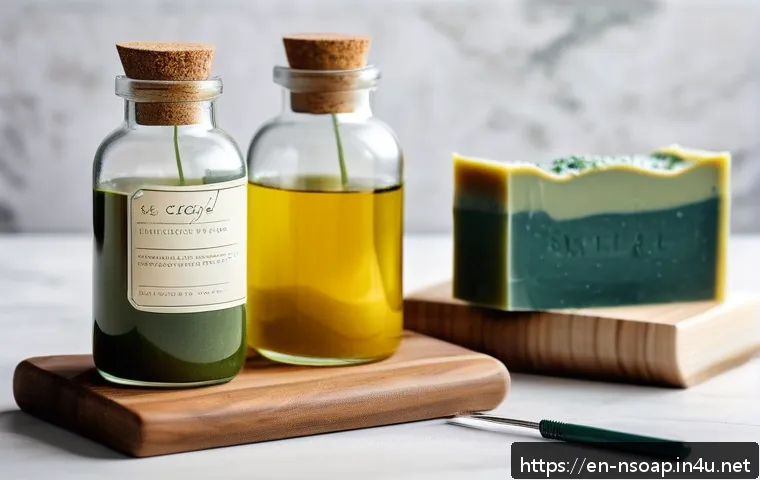
Are you tired of staring at your skin in the mirror, wondering why it just won’t cooperate? I totally get it. For years, I struggled with dullness, dryness, and those frustrating little bumps that seemed to pop up out of nowhere, despite trying every fancy product on the market.
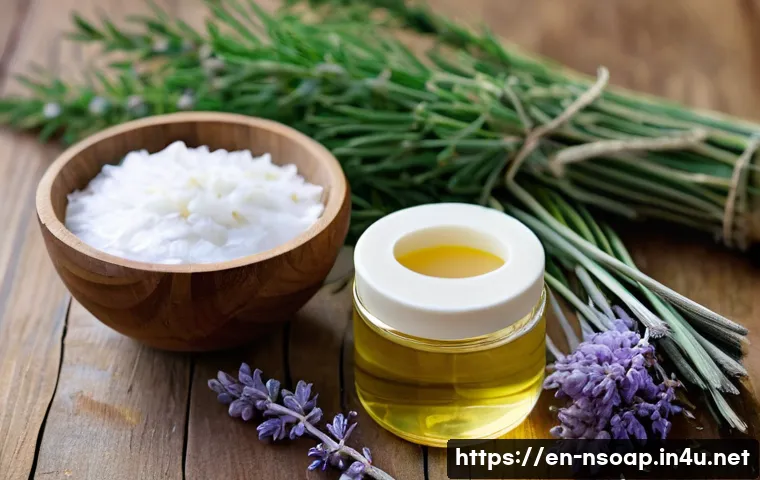
It felt like a never-ending cycle, constantly searching for that elusive ‘perfect’ solution. What really surprised me, and what I eventually discovered, was that sometimes the simplest changes make the biggest difference, especially when it comes to what we put on our skin daily.
Lately, everyone’s buzzing about ‘clean beauty’ and getting back to basics, and for good reason! We’re all becoming more conscious of nasty chemicals like sulfates and parabens lurking in our everyday products, realizing they can actually do more harm than good, stripping our skin of its natural goodness.
That’s why I’m incredibly excited to talk about something that’s been a game-changer for me: natural soap. Not just any soap, but beautifully crafted bars packed with wholesome, plant-based ingredients.
Think nourishing shea butter, soothing oatmeal, and hydrating olive oil – ingredients that truly work in harmony with your skin, helping it to feel incredibly soft, smooth, and genuinely healthy.
The natural soap market is booming, with people increasingly seeking transparent, ethically sourced options that offer real benefits without the harsh additives.
This isn’t just about cleansing; it’s about nurturing your skin and embracing a routine that feels right. Ready to unlock the secret to a naturally radiant complexion?
Let’s dive deeper and discover how natural soap can transform your skin texture for the better!
Why Your Skin Craves a Natural Cleanse: Beyond Just ‘Clean’
You know that tight, squeaky-clean feeling after washing your face or body with conventional soap? For the longest time, I actually thought that meant my skin was genuinely clean. Boy, was I wrong! It turns out, that feeling is often a red flag, a sign that harsh detergents, often disguised as ‘cleansing agents,’ have stripped away your skin’s natural, protective barrier. I remember feeling like my skin was constantly battling dryness, itching, and an almost insatiable thirst for moisturizer, no matter how much I slathered on. It was a vicious cycle, and honestly, quite frustrating. We’re talking about ingredients like sulfates, parabens, phthalates, and synthetic fragrances that might smell lovely in the bottle but can wreak absolute havoc on your skin over time. These chemicals don’t just wash away dirt and oil; they also dissolve the very lipids and natural moisture factors that keep your skin plump, resilient, and healthy. Think of your skin’s barrier as its bodyguard – constantly protecting it from environmental aggressors. When that bodyguard is weakened, your skin becomes vulnerable, leading to irritation, breakouts, and that dull, lackluster appearance we all try to avoid. Switching to natural soap was like giving my skin a much-needed sigh of relief, allowing it to finally breathe and heal.
The Harsh Reality of Conventional Cleansers
I genuinely believe a lot of us are unknowingly harming our skin with what we *think* are good products. It’s not about being dirty; it’s about the chemical cocktail we expose ourselves to daily. Many traditional soaps are essentially detergents, formulated with chemicals that create a lot of lather – which we’ve been taught to associate with cleanliness – but at a cost. They disrupt your skin’s pH balance, making it more alkaline than its naturally slightly acidic state. This imbalance weakens the acid mantle, which is crucial for fighting off bacteria and retaining moisture. My skin used to be so reactive, and now I understand why. It was constantly trying to recover from being bombarded by these stripping agents. Imagine trying to hydrate a sponge that’s constantly being wrung out. That’s what it felt like for my skin. Once I started cutting out these harsh ingredients, I noticed a dramatic reduction in irritation and a much calmer, happier complexion. It wasn’t an overnight miracle, but the consistent improvement was undeniable.
Why Natural Soap is a Game-Changer for Your Skin Barrier
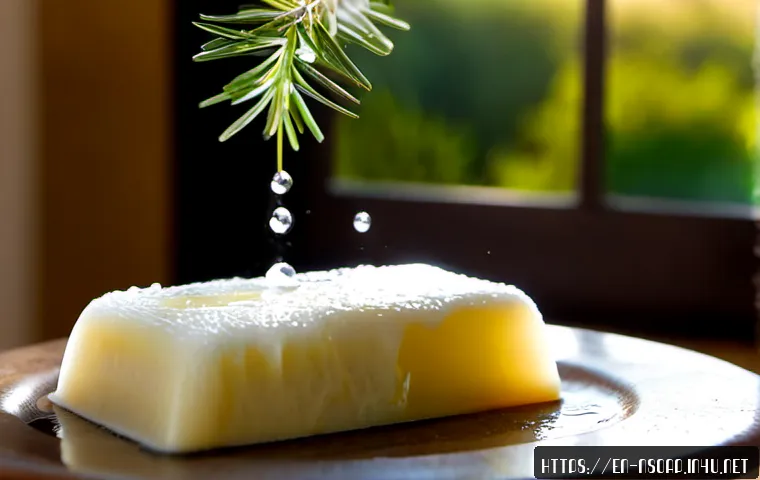
So, what’s the big difference with natural soap? It boils down to ingredients and process. Natural soaps are typically made through a process called saponification, combining natural oils (like olive, coconut, or shea) with a lye solution. The result is a bar of soap that not only cleanses but also leaves behind nourishing glycerin, a natural humectant that draws moisture to your skin. Unlike conventional soaps, natural varieties are often superfatted, meaning extra oils are added during production, ensuring there’s more goodness to moisturize your skin rather than just strip it. My personal experience has been transformative. My skin now feels genuinely soft and supple, not just after moisturizing, but even immediately after a shower. It’s less prone to redness, and those annoying dry patches? Practically gone. It’s like my skin finally found its happy place, maintaining a healthy moisture balance without feeling greasy or tight. This harmonious interaction with your skin’s natural physiology is what truly sets natural soaps apart, making them a cornerstone of any effective skincare routine aiming for true skin health.
The Secret Superpowers of Plant-Based Ingredients
When I started diving into the world of natural soaps, I was absolutely captivated by the incredible array of plant-based ingredients that go into them. It’s not just about what’s *not* in them; it’s profoundly about what *is* in them. These aren’t just fillers; they are active, potent botanicals and oils, each bringing its unique set of benefits to the table. Think about it: centuries before synthetic chemicals, people relied on nature for their skincare, and for good reason! Ingredients like shea butter, a rich emollient, feel like a soft hug for dry skin, locking in moisture and improving elasticity. Then there’s soothing oatmeal, which I swear by for calming irritated skin – it’s like a gentle exfoliant and a balm all in one. And olive oil? It’s not just for cooking! It’s packed with antioxidants and vitamins, offering deep hydration without clogging pores. When I first tried a bar with these kinds of ingredients, I was genuinely surprised by how luxurious and effective it felt. It wasn’t just cleaning; it was nourishing, protecting, and revitalizing my skin with every wash. It’s a holistic approach to cleansing that genuinely respects your skin’s natural processes, helping it to repair and rejuvenate itself. These ingredients aren’t just trendy; they’re timeless, delivering tangible results that you can feel and see, contributing to that coveted healthy glow.
A Deep Dive into Nourishing Oils
Let’s talk about oils because they are truly the heart of a good natural soap. Coconut oil, for instance, provides a fantastic lather and boasts incredible cleansing properties, yet when balanced with other oils, it’s not overly stripping. I’ve found that soaps rich in coconut oil leave my skin feeling remarkably clean, without that Sahara desert dryness. Then there’s the beloved olive oil, often called “liquid gold” for its skin benefits. It’s incredibly gentle and moisturizing, perfect for sensitive or mature skin. I personally gravitate towards soaps with a high olive oil content, especially in the colder months, as it feels like an extra layer of protection against the elements. And let’s not forget about jojoba oil, which closely mimics our skin’s natural sebum, making it fantastic for balancing oily or combination skin. I used to think oils would make my skin greasier, but the right oils in the right formulation actually help to regulate my skin’s own oil production. It’s truly amazing how these natural wonders work in synergy, creating a powerful yet gentle cleansing experience that promotes rather than detracts from skin health. The quality of these oils makes an immense difference, and you can absolutely feel it in the final product.
Herbal Wonders and Exfoliating Goodness
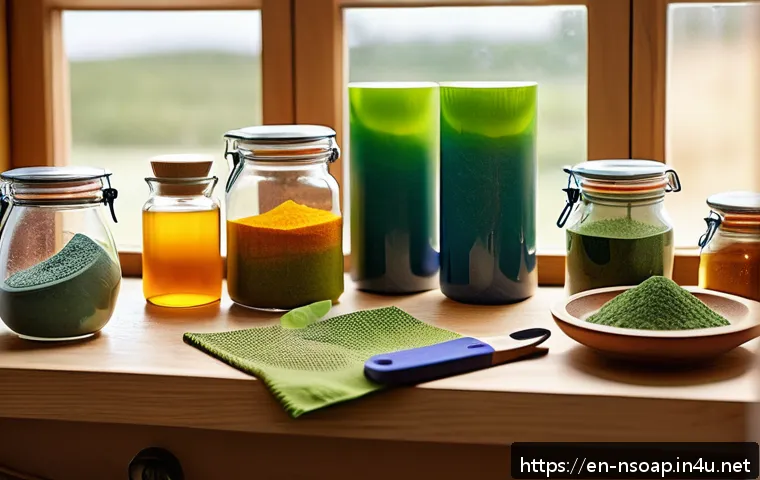
Beyond the foundational oils, many natural soaps incorporate incredible botanicals and natural exfoliants that take the experience to the next level. Take lavender essential oil, for example; not only does it impart a beautiful, calming aroma, but it also has natural antiseptic and anti-inflammatory properties. I find it incredibly soothing after a long day. Tea tree oil is another powerhouse, especially for anyone dealing with breakouts; it’s naturally antibacterial and helps to purify the skin. For exfoliation, natural soaps often use ingredients like finely ground oatmeal, coffee grounds, or poppy seeds. These offer a gentle yet effective way to slough off dead skin cells, revealing the fresh, radiant skin beneath, without the harshness of synthetic microbeads. I absolutely adore a good oatmeal soap for a gentle daily scrub that leaves my skin feeling incredibly soft and smooth without any irritation. These additions transform a simple cleansing bar into a multi-tasking skin treatment, allowing you to tailor your soap choice to your specific skin concerns. It’s about empowering your skin with nature’s best, rather than masking issues with artificial ingredients. Trust me, once you experience the difference, there’s no going back to the artificial stuff.
| Natural Ingredient | Key Benefits for Skin | Best For Skin Types |
|---|---|---|
| Shea Butter | Deeply moisturizing, anti-inflammatory, improves elasticity, rich in vitamins A & E. | Dry, sensitive, mature, eczema-prone. |
| Olive Oil | Gentle hydration, antioxidant protection, non-comedogenic, soothes irritation. | All skin types, especially dry, sensitive, and mature. |
| Coconut Oil | Excellent cleansing, rich lather, antibacterial, provides firmness to soap. | Normal, oily (when balanced with other oils). |
| Oatmeal | Calms irritation, gentle exfoliation, soothes itching, forms a protective barrier. | Sensitive, itchy, eczema-prone, dry. |
| Lavender Essential Oil | Calming, antiseptic, anti-inflammatory, promotes relaxation, balances skin. | All skin types, especially sensitive or stressed skin. |
Decoding Labels: What to Look For (and Avoid!) in Your Bar
Walking down the soap aisle, you’re bombarded with terms like “natural,” “organic,” and “pure,” but it can be incredibly confusing to discern what’s genuinely good for your skin and what’s just clever marketing. I’ve been there, staring at labels feeling completely overwhelmed, convinced I was making the right choice only to find my skin still reacting poorly. That’s why learning to decode soap labels has been an absolute game-changer for me. The key is to look beyond the flashy packaging and marketing claims and really scrutinize the ingredient list. True natural soaps will have a relatively short, recognizable list of ingredients, primarily consisting of saponified oils. If you see a long list of unpronounceable chemicals or terms you don’t understand, it’s usually a good indicator that you’re not dealing with a genuinely natural product. It’s about becoming an informed consumer, understanding that “natural fragrance” isn’t always essential oils, and “gentle” doesn’t necessarily mean free from irritants. This knowledge empowers you to make choices that truly benefit your skin and your overall well-being. It’s like learning a secret language that protects your skin from hidden dangers, allowing you to confidently pick out products that will genuinely nurture your complexion.
Key Ingredients to Embrace
When you’re scanning those labels, you want to see a clear list of saponified plant oils, like “Saponified Olive Oil,” “Saponified Coconut Oil,” “Saponified Shea Butter,” or “Sodium Olivate,” “Sodium Cocoate,” “Sodium Shea Butterate.” These indicate that the oils have undergone the saponification process and are now soap. Beyond these, look for natural additives that you recognize and trust. Glycerin is a fantastic sign; it’s a natural byproduct of the soap-making process and an excellent humectant that helps retain skin moisture. Many natural soap makers will intentionally leave it in, or even add more back. Essential oils (like lavender, peppermint, or tea tree oil) are great for natural fragrance and often have therapeutic benefits. Clays (like kaolin or bentonite), oatmeal, honey, and natural colorants derived from plants are all wonderful additions. These ingredients speak to a product that is thoughtfully crafted with your skin’s health in mind. I personally look for bars that proudly list their nourishing oils and any special botanical additions, knowing that these are the components that will truly make a difference in how my skin looks and feels.
Common Offenders to Avoid
Now, for the ingredients you absolutely want to steer clear of. First up are sulfates, especially Sodium Lauryl Sulfate (SLS) and Sodium Laureth Sulfate (SLES). These are harsh detergents that create a lot of lather but are notorious for stripping skin of its natural oils and causing irritation. I used to think all suds were good suds, but I learned quickly that a massive lather often comes at a cost. Parabens (like methylparaben, propylparaben) are preservatives that have raised health concerns, and many people, including myself, prefer to avoid them. Synthetic fragrances, often listed simply as “fragrance” or “parfum,” are another big one. They’re a common cause of skin irritation and allergies, and since they’re proprietary blends, you never truly know what chemicals are in them. Phthalates, often found in synthetic fragrances, are also best avoided. Artificial dyes and colorants can also be irritating. The general rule of thumb I follow is: if it sounds like a chemical experiment or if there’s a lengthy list of ingredients I can’t pronounce, it’s probably best to pass. My skin has thanked me countless times for being diligent about avoiding these common culprits, leading to significantly fewer breakouts and overall skin discomfort.
My Personal Journey: From Frustration to Flawless Skin
I can still vividly remember the constant battle I had with my skin. For years, it felt like a never-ending cycle of dryness, irritation, and those pesky breakouts that seemed to appear at the most inconvenient times. I’d scour beauty magazines, watch countless YouTube tutorials, and spend a small fortune on high-end cleansers and moisturizers, all promising to deliver that elusive ‘perfect skin.’ Each new product would start with a flicker of hope, only to end in disappointment, or worse, a fresh wave of redness and discomfort. My bathroom cabinet was overflowing with bottles and tubes, each with a different claim, none truly delivering. It was disheartening, to say the least, and honestly, a bit embarrassing. I felt like I was doing everything “right” – washing my face twice a day, moisturizing, even trying different diets – but my skin just wouldn’t cooperate. There were mornings I’d wake up feeling genuinely discouraged, dreading looking in the mirror, wondering if I was just destined to have perpetually problematic skin. It wasn’t until a friend, who always had the most radiant complexion, nudged me towards natural soap that everything began to shift. It felt like such a simple, almost too-basic solution after years of complex routines, but sometimes, the simplest changes are the most profound, especially when they empower your skin to heal itself.
The Aha! Moment: Discovering Natural Soap
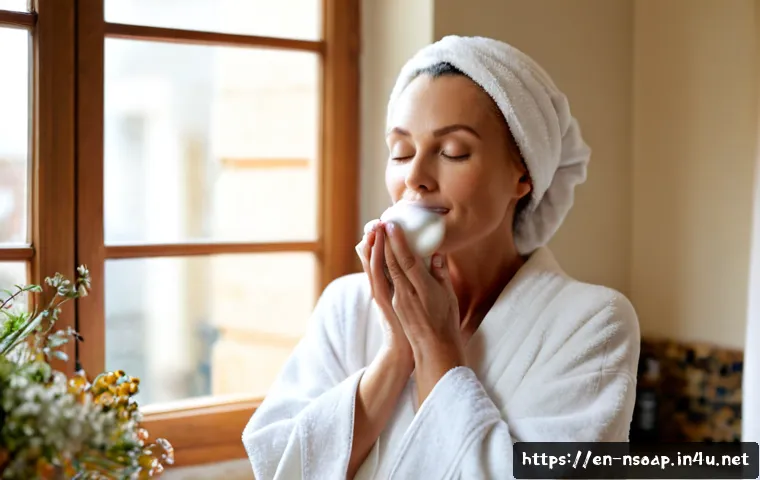
My friend, bless her heart, practically dragged me to a local artisan market where a woman was selling handmade soaps. I was skeptical, to say the least. After all the fancy brands, could a simple bar of soap really make a difference? But my friend insisted, “Just try it for a week. What have you got to lose?” I picked up a bar infused with shea butter and oatmeal, lured by its comforting, earthy scent. The first time I used it, I expected that familiar tight, stripped feeling. Instead, my skin felt soft, genuinely clean, but not parched. It was a subtle difference at first, but after a few days, I noticed the redness around my nose started to calm down. The dry patches on my cheeks weren’t as flaky. And the small, persistent bumps on my jawline? They seemed to be less inflamed. It wasn’t an instant miracle, but it was a quiet, consistent improvement that I hadn’t experienced with any other product. I started looking forward to my cleansing routine because it no longer felt like a chore, but rather a nurturing ritual. That initial hesitancy quickly transformed into genuine curiosity, and then, pure relief. It was like my skin had finally found what it had been craving all along – simplicity and nourishment.
Embracing a Simpler, More Effective Routine
That initial bar of soap opened up a whole new world for me. I started researching ingredients, understanding the saponification process, and learning about the benefits of different plant oils. My elaborate 10-step skincare routine slowly began to shrink. I realized that by using a truly gentle, nourishing cleanser, my skin didn’t need as many corrective serums or heavy moisturizers to compensate for what had been stripped away. My skin’s natural balance started to restore itself, and with that, came a genuine radiance I hadn’t seen in years. Breakouts became less frequent and less severe, and my overall skin tone became more even and calm. The best part? The confidence that came with it. I no longer felt the need to heavily conceal my skin, and I actually started receiving compliments on my complexion, which was a huge boost! This journey taught me that sometimes, the most effective path to healthy skin isn’t found in a laboratory but in the bounty of nature. It’s about listening to your skin, understanding its needs, and providing it with the gentle, wholesome care it deserves. My skincare routine is now simpler, more sustainable, and infinitely more effective, proving that true beauty often lies in embracing nature’s wisdom.
Making the Switch: How to Integrate Natural Soap into Your Routine
So, you’re convinced, right? You’re ready to ditch the harsh chemicals and embrace the goodness of natural soap. That’s fantastic! But I know from experience that making the switch can feel a little daunting, especially if you’re used to liquid cleansers or heavily fragranced products. The good news is, it’s actually incredibly straightforward, and your skin will thank you for it almost immediately. One of the biggest things to keep in mind is that natural soaps might not produce the same massive, foamy lather you’re accustomed to with conventional detergents. Don’t mistake a smaller lather for a lack of cleansing power; natural soaps are perfectly effective at lifting away dirt and impurities. It’s more about a creamy, luxurious feel than a mountain of bubbles. The key is to be patient with your skin as it adjusts. If you’ve been using harsh products for a while, your skin might need a week or two to rebalance its pH and replenish its natural oils. During this transition period, you might notice a slight change in texture or a temporary feeling of adjustment, but stick with it – the long-term benefits are absolutely worth it. It’s an investment in your skin’s future, helping it to build resilience and truly glow from within, and it’s a decision you absolutely won’t regret.

Transitioning Your Cleansing Habits
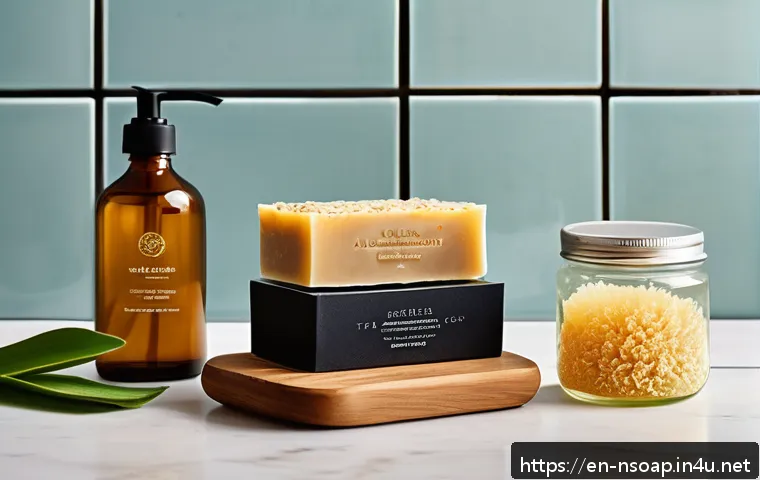
When you’re ready to make the switch, start by introducing one natural soap into your routine at a time. Maybe swap out your body wash first. Use your natural bar just like you would any other soap: wet the bar, rub it between your hands to create a lather, or directly onto a washcloth or loofah (if you use one), and then cleanse. For your face, a gentler approach is best. I personally prefer to create a lather in my hands first and then gently massage it onto my damp face, avoiding any harsh scrubbing. Rinse thoroughly with lukewarm water. Pay attention to how your skin feels. If you typically shower in very hot water, consider lowering the temperature slightly, as excessive heat can strip natural oils, even with a gentle soap. Storage is also key: natural soaps can get mushy if left in standing water, so invest in a good draining soap dish. This helps your bar last longer and prevents waste. This simple mindful approach ensures that you’re getting the most out of your new, skin-loving cleanser, allowing it to work its magic without any unnecessary challenges, setting your skin up for success from the very first wash.
Maximizing the Benefits: Beyond Just Washing
Once you’ve successfully integrated natural soap into your daily routine, you can start exploring ways to really maximize its benefits. For example, if you have particularly dry skin, look for soaps with extra emollients like avocado oil or cocoa butter. For oily or acne-prone skin, bars with activated charcoal or tea tree oil can be incredibly beneficial. Don’t be afraid to try different formulations to see what works best for your unique skin needs. I also find that using a natural soap with a fine texture, like one containing finely ground oats, can provide a gentle daily exfoliation, improving skin texture without the need for separate harsh scrubs. After cleansing, remember to pat your skin dry with a soft towel rather than rubbing, and follow up immediately with a good quality, natural moisturizer to lock in that hydration. This layering approach creates a protective barrier, keeping your skin supple and happy throughout the day. By treating your natural soap not just as a cleanser but as the foundational step in a holistic skincare routine, you’ll unlock its full potential and truly transform your skin, embracing a natural glow that feels authentic and deeply nourishing.
Investing in Your Skin’s Future: Long-Term Benefits You’ll Love
Making the switch to natural soap isn’t just a fleeting trend; it’s an investment in the long-term health and vitality of your skin. I used to think of soap as just a basic hygiene product, but now I see it as a foundational element of my skincare, influencing everything from my skin’s hydration levels to its resilience against environmental stressors. One of the most significant long-term benefits I’ve experienced is the incredible improvement in my skin’s overall texture and tone. Those persistent dry patches, the subtle redness, the unevenness – they’ve all significantly diminished over time. My skin now feels consistently smoother, softer, and more even, almost as if it’s finally operating at its optimal level. This isn’t a superficial fix; it’s about nurturing your skin from the ground up, allowing its natural protective and regenerative processes to function unhindered. Think about it: consistently exposing your skin to gentle, nourishing ingredients, rather than harsh chemicals, allows it to build strength and health over time. It’s like feeding your body wholesome, nutritious food versus processed junk – the difference in long-term health is undeniable. Your skin becomes more balanced, less reactive, and genuinely glows with a natural radiance that no amount of synthetic products could ever replicate. It’s a journey towards healthier skin that truly pays dividends in the years to come.
Building Skin Resilience and Balance
Perhaps one of the most profound long-term impacts of using natural soap is the way it helps to restore and maintain your skin’s natural barrier function. This barrier, composed of lipids and skin cells, is your first line of defense against pollution, bacteria, and moisture loss. When this barrier is compromised by harsh chemicals, your skin becomes vulnerable, leading to a host of problems. Natural soaps, with their gentle formulations and glycerin content, help to fortify this barrier, allowing your skin to better protect itself and retain essential hydration. I’ve noticed a dramatic reduction in my skin’s sensitivity. Where I once reacted to everything, my skin now feels robust and calm. It’s less prone to seasonal dryness or irritation from environmental changes. This newfound resilience means fewer flare-ups, less discomfort, and a much more predictable skin routine. The balance it strikes, cleansing effectively without stripping, allows your skin’s natural microbiome to thrive, further contributing to its health and stability. It’s a beautiful cycle of care where nurturing ingredients lead to a stronger, more balanced skin ecosystem, ensuring lasting comfort and vibrancy.
Embracing Sustainability and Ethical Choices
Beyond the personal benefits for your skin, choosing natural soaps often aligns with a more sustainable and ethical lifestyle, and that’s something I feel really good about. Many natural soap makers prioritize ethically sourced ingredients, sustainable farming practices, and eco-friendly packaging. By opting for these products, you’re not just making a choice for your skin; you’re casting a vote for a healthier planet and supporting businesses that uphold responsible values. I love that many natural soaps come in minimal, plastic-free packaging, helping to reduce waste. Knowing that the ingredients I’m using are biodegradable and won’t harm waterways gives me an extra sense of peace. It’s about being conscious of the larger impact of our daily choices, understanding that every purchase has a ripple effect. This commitment to sustainability feels incredibly rewarding, adding another layer of positivity to my daily routine. It’s a wonderful feeling to know that my skincare choices are not only beneficial for my own well-being but also contribute to a healthier environment and support a more responsible industry. It transforms a simple act of cleansing into an act of mindful living, something I truly cherish.
글을 마치며
And there you have it, my friends! This journey into the world of natural soap has been nothing short of transformative for my skin, and I truly hope it encourages you to explore the benefits for yourself. It’s more than just a cleansing ritual; it’s a commitment to nurturing your skin with the wholesome goodness it deserves, steering clear of those harsh chemicals that often do more harm than good. Trust me when I say, your skin will thank you for making the switch to a simpler, more effective approach. It’s amazing how a small change in your daily routine can lead to such profound improvements in how your skin looks and feels, empowering it to finally thrive.
알아두면 쓸모 있는 정보
1. Start with a Patch Test: Before fully integrating a new natural soap, especially if you have sensitive skin, try a small patch test on an inconspicuous area, like your inner arm. Wait 24 hours to ensure there’s no irritation, just to be safe.
2. Invest in a Good Soap Dish: Natural soaps don’t contain the same hardening agents as conventional bars, so they can get mushy if left in standing water. A soap dish that drains well will extend the life of your bar significantly.
3. Listen to Your Skin’s Needs: Pay attention to how your skin feels throughout the day and with seasonal changes. You might find certain natural soap formulations work better for you in winter (more moisturizing) versus summer (more balancing). Don’t be afraid to try a few different types!
4. Pair with a Natural Moisturizer: While natural soaps are moisturizing, following up with a good quality, natural moisturizer immediately after washing helps to lock in hydration and further support your skin barrier, especially on your face.
5. Be an Ingredient Detective: Always take a moment to read the ingredient list. Look for identifiable plant oils and botanicals, and actively avoid sulfates, parabens, synthetic fragrances, and artificial dyes. Your skin will thank you for being vigilant!
중요 사항 정리
Switching to natural soap is a powerful step toward healthier, happier skin. It ensures a gentle yet effective cleanse, preserving your skin’s natural barrier and pH balance, leading to less irritation and greater resilience. By choosing formulations rich in nourishing plant-based ingredients, you’re not just cleaning, but actively feeding your skin vital nutrients. This simple change eliminates harsh chemicals, contributing to long-term skin health and often aligning with a more sustainable lifestyle. It’s about embracing nature’s wisdom for a truly radiant and comfortable complexion.
Frequently Asked Questions (FAQ) 📖
Q: What makes natural soap so much better than my current body wash or commercial bar, and will it actually make a difference for my skin texture?
A: Oh, this is such a fantastic question, and it’s one I hear all the time! I totally get the skepticism, especially when we’ve been conditioned to think that foamy, brightly colored cleansers are the way to go.
But honestly, the difference is night and day, and it genuinely blew me away when I made the switch. Most conventional body washes and bar soaps are packed with harsh detergents like sulfates, synthetic fragrances, and preservatives (think parabens) that are designed for maximum lather and shelf life, not necessarily for your skin’s health.
These ingredients can strip away your skin’s natural oils, leaving it feeling tight, dry, and sometimes even irritated. I remember my skin always feeling a bit ‘squeaky clean’ but then quickly turning flaky and itchy – a clear sign it was being stripped!
Natural soaps, on the other hand, are crafted with nourishing, plant-based oils and butters like shea, cocoa, olive, and coconut. These ingredients aren’t just there to cleanse; they actually condition and moisturize your skin as you wash.
The traditional soap-making process (saponification) naturally produces glycerin, a humectant that draws moisture to your skin, but it’s often removed from commercial soaps to be sold separately.
In natural soaps, it stays put, which is a HUGE win for hydration! For me, within just a couple of weeks, I noticed a dramatic improvement in my skin’s texture.
It felt softer, smoother, and those annoying little dry patches started to disappear. It’s like feeding your skin a wholesome meal instead of fast food – the results speak for themselves, and trust me, your skin will thank you!
Q: With so many ‘natural’ options out there, how can I really tell which ingredients are genuinely beneficial for my skin and which ones to steer clear of?
A: That’s a super smart question, because “natural” can sometimes be a bit of a buzzword, right? It’s so easy to get overwhelmed by all the choices! When I first started diving into natural soaps, I felt the same way.
The key is to become a bit of a label detective. You want to look for short, recognizable ingredient lists. Think about ingredients you might even find in your kitchen!
Things like olive oil, coconut oil, shea butter, cocoa butter, and jojoba oil are fantastic bases that provide deep moisturization and a gentle cleanse.
Ingredients like colloidal oatmeal are brilliant for soothing sensitive or irritated skin, while essential oils (like lavender or tea tree) can offer additional benefits and a lovely natural scent, but always in moderation.
I personally adore a good goat’s milk soap for its creamy lather and lactic acid content, which is a gentle exfoliant. On the flip side, you definitely want to steer clear of artificial fragrances (often listed as ‘fragrance’ or ‘parfum’ without further detail), synthetic dyes, phthalates, and those notorious parabens and sulfates (like Sodium Lauryl Sulfate or SLS).
These are the common culprits that can cause irritation, dryness, and sometimes even allergic reactions. A good rule of thumb I live by is: if you can’t pronounce half the ingredients, or if the list seems endless, it’s probably best to put it back.
When you focus on soaps with transparent, whole-ingredient lists, you’re truly giving your skin the best possible care.
Q: I’m excited about trying natural soap, but honestly, how long does it take to see improvements in my skin texture, and what kind of changes can I expect?
A: Oh, that excitement is exactly what I felt, and it’s truly thrilling to embark on this journey! Now, I won’t sugarcoat it – skin transformation isn’t an overnight miracle, but you’ll likely start noticing positive changes sooner than you think.
From my own experience, and from countless friends and readers who’ve made the switch, you can often feel a difference in skin softness and less tightness almost immediately after the first wash, especially if you’re coming from a very stripping commercial product.
For more significant improvements in overall skin texture, like reduced dryness, fewer minor bumps, and a more even, radiant look, I’d say give it about 2-4 weeks of consistent use.
That’s usually enough time for your skin’s natural barrier to start rebalancing and for the nourishing ingredients to do their work. What kind of changes can you expect?
Well, personally, the biggest change for me was a dramatic reduction in that annoying itchy, tight feeling after showering. My skin started to feel genuinely hydrated and supple, even before I applied lotion.
I also noticed a visible improvement in the smoothness of my elbows and knees, areas that used to be chronically dry and a bit rough. You might also find that your skin looks less dull and more luminous because it’s no longer being stripped of its natural oils.
It’s not just about what you see, but also about what you feel – a newfound comfort and resilience in your skin. Patience is key, but trust me, the wait is absolutely worth it for that naturally healthier glow!