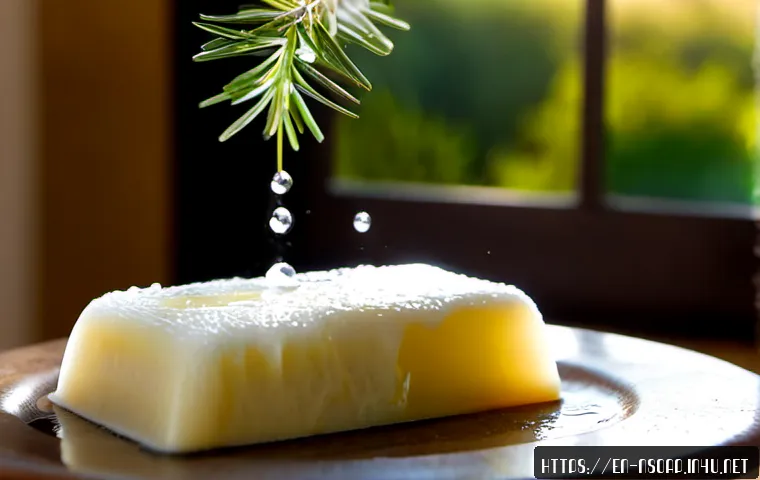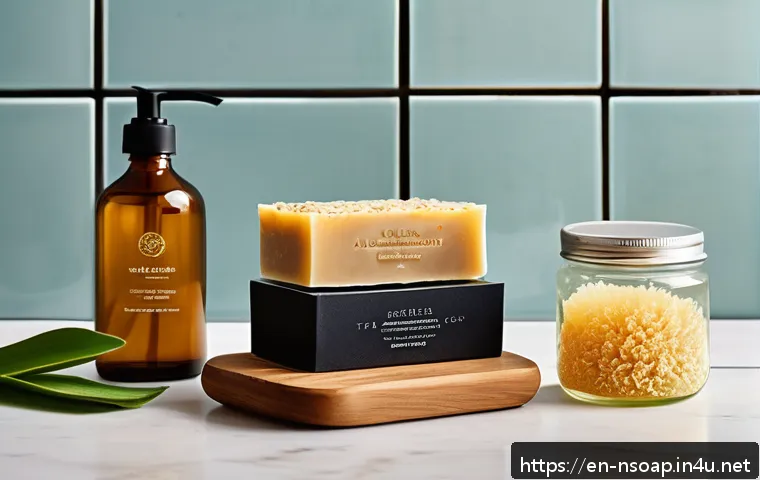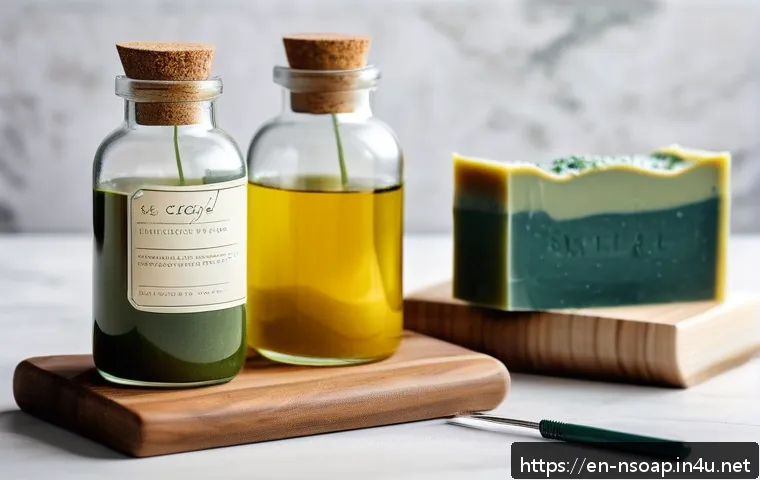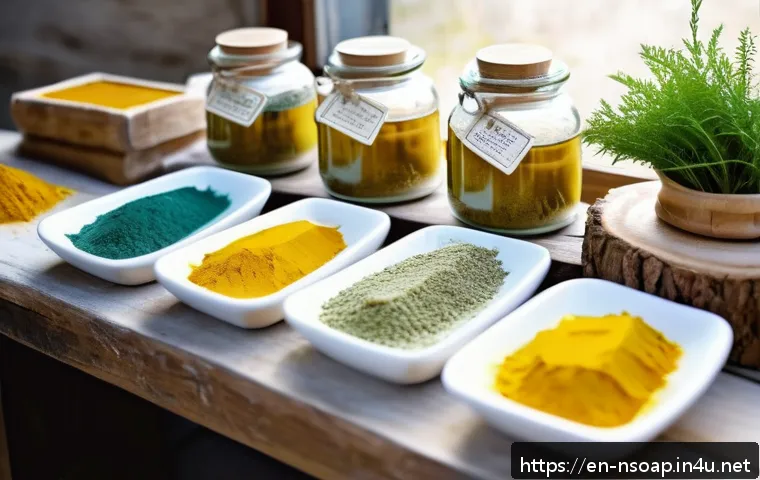
Hey there, skincare enthusiasts and anyone tired of mystery ingredients in their daily routine! It feels like just yesterday we were all grabbing whatever bar soap was on sale, without a second thought about what we were putting on our largest organ.
But times have certainly changed, haven’t they? Lately, my inbox has been overflowing with questions about natural soaps – everyone wants to know if they’re truly the miracle workers they’re hyped up to be, or if there’s a catch we should all be aware of.
I’ve personally embarked on a journey to ditch harsh chemicals, and let me tell you, navigating the world of natural skincare can be both incredibly rewarding and, at times, a little confusing.
We often hear about the amazing benefits, from soothing sensitive skin to being kinder to the planet, but what about the less-talked-about side of things?
Are there potential drawbacks or reactions you should be prepared for? It’s time we cut through the noise and get down to the real facts about natural soaps.
Let’s get into the nitty-gritty and discover everything you need to know!
The Unseen Power: Why My Skin Thanks Me for Going Natural
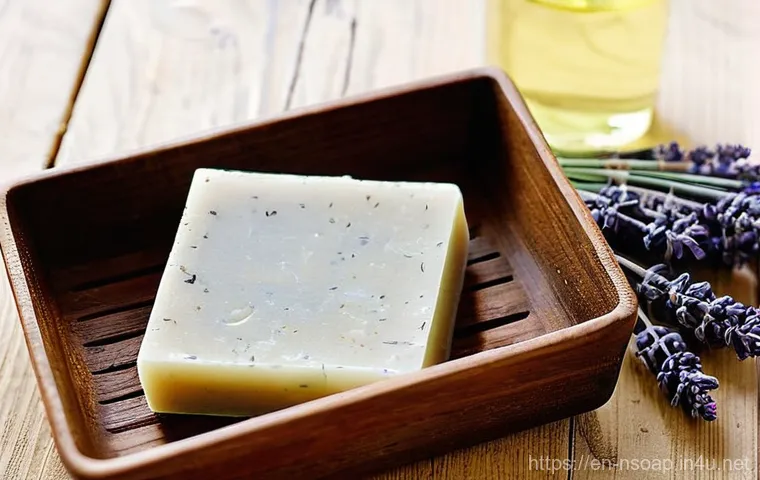
You know, for years, I just picked up whatever pretty bar of soap was on sale, never giving a second thought to the long list of unpronounceable ingredients lurking in there. My skin felt fine, or so I thought. But after taking the plunge into the world of natural soaps, I’ve genuinely seen a transformation that frankly, blew me away. It’s like my skin finally breathed a sigh of relief. One of the biggest game-changers has been how incredibly gentle these soaps are. Unlike those conventional bars that often leave your skin feeling tight and stripped – you know that squeaky-clean feeling that’s actually a sign of dryness? – natural soaps are packed with moisturizing powerhouses. Ingredients like shea butter, olive oil, and coconut oil don’t just cleanse; they actively hydrate and nourish, leaving my skin feeling soft, supple, and oh-so-smooth. I used to battle with dry patches, especially in the colder months, and now? They’re practically a distant memory. This isn’t just about feeling good, either; it’s about real skin health, maintaining that delicate pH balance and promoting actual healing and repair from daily environmental stressors. When you swap out harsh chemicals for nature’s finest, your skin truly knows the difference, and believe me, it will thank you for it in ways you never expected.
A Gentle Touch: The True Meaning of Clean
I remember thinking a soap needed to be super sudsy to be effective, a misconception many of us share. Turns out, that rich, foamy lather we associate with “clean” in commercial soaps often comes from harsh chemicals like sulfates, which are notorious for stripping your skin of its natural, protective oils. When I first switched, I worried natural soaps wouldn’t lather up as much, but I quickly learned that higher quality oils in natural bars produce a creamy, luxurious lather that cleanses beautifully without leaving that uncomfortable, dry feeling. It’s a completely different kind of clean, one that respects your skin’s natural barrier instead of attacking it. My sensitive skin, which used to flare up with redness and irritation from conventional products, has become noticeably calmer and healthier since making the switch. It’s truly a testament to the power of simpler, purer ingredients.
Nourishment from Nature: More Than Just Cleansing
Beyond just being gentle, natural soaps are like a multivitamin for your skin. They’re often brimming with antioxidants, vitamins, and essential fatty acids that actively work to protect and rejuvenate. For instance, many natural soaps contain Vitamin E, which is a fantastic antioxidant that helps combat free radicals and environmental damage, keeping your skin looking youthful and vibrant. I’ve found that my skin, especially on my arms and legs, just looks healthier – more even-toned and with a natural glow I haven’t seen in years. It’s not just washing away dirt; it’s depositing goodness with every lather. This comprehensive approach to skincare, where cleansing is an opportunity to nourish, has been a total game-changer for me and a huge reason why I advocate so strongly for natural options.
Navigating the Detox: What to Expect When You Make the Switch
Alright, let’s be real for a moment. While jumping into the natural soap world sounds like pure bliss, there can be a little adjustment period. I vividly recall my first week. My skin, used to the chemical cocktail of conventional soaps, seemed a bit confused. For some people, this might manifest as a slight increase in dryness or even a minor breakout, almost like your skin is purging all the gunk it’s been holding onto. It’s often referred to as a “skin detox,” and from what I’ve experienced and heard from countless others, it’s a perfectly normal, albeit sometimes annoying, phase. Don’t panic and don’t give up! Your skin is simply rebalancing its natural oils and shedding layers of residue from synthetic ingredients. Think of it as a fresh start, a reset button for your largest organ. This transition usually lasts a few days to a couple of weeks, and then, boom – you start seeing the real benefits. Patience is truly a virtue here, and trust me, the other side is worth it.
The Lather Lament: A Different Kind of Suds
One of the most common things I hear from people trying natural soaps for the first time is, “It doesn’t lather enough!” And I totally get it. We’ve been conditioned by commercials to expect mountains of foam from our soap. That super sudsy experience in commercial soaps is often due to synthetic surfactants like Sodium Lauryl Sulfate (SLS) or Sodium Laureth Sulfate (SLES), which create an impressive, but often drying, foam. Natural soaps, relying on plant-based oils and glycerin, tend to produce a creamier, softer lather – sometimes less voluminous, but always more nourishing. It’s a different tactile experience, and once you adjust, you’ll realize that effective cleansing doesn’t require a bubble bath explosion. My personal journey involved retraining my brain to appreciate the subtle, rich lather that genuinely moisturizes my skin rather than stripping it dry. It works, and honestly, it feels much better now.
The “Exfoliation” Surprise: When Less Is More
Another point of expectation management is around exfoliation. Sometimes, natural soaps incorporate ingredients like oatmeal, coffee grounds, or clays for a gentle scrubbing action. While this is wonderful, if you’re used to harsh physical exfoliants or chemical peels, you might find the “exfoliation” from a natural bar to be quite mild. The goal here isn’t to aggressively scrub away layers but to gently assist your skin’s natural renewal process. My tip? Pay attention to how your skin feels. If it’s too abrasive, switch to a smoother bar. If it feels just right, enjoy the subtle polish. It’s all about tuning into your body and understanding that “natural” often means a more harmonious and less aggressive approach to skincare. For sensitive areas, I opt for completely smooth bars, saving the textured ones for my body, especially my elbows and knees, where they do wonders.
Cracking the Code: The Must-Know Ingredients for a Truly Natural Lather
When you’re standing in front of a shelf brimming with “natural” soaps, it can feel like you need a chemistry degree to figure out what’s what. But trust me, once you know a few key players and some major red flags, label-reading becomes a breeze. I’ve learned that a truly good natural soap reads almost like a recipe, not a science experiment. You want to see ingredients you recognize and can pronounce, ones that come from the earth, not a lab. The foundation of any amazing natural soap lies in its oils and butters – these are the true workhorses, providing cleansing, moisturizing, and skin-loving benefits. Think olive oil, known for centuries to soothe and hydrate with its antioxidants. Coconut oil is a fantastic one for creating that lovely, rich lather. And shea butter? A total superstar for keeping your skin soft and nourished long after you rinse off. I always keep an eye out for these first. Then there’s glycerin, a natural humectant that draws moisture into your skin. It’s a natural byproduct of the soap-making process, and quality natural soaps retain it, unlike many commercial ones that often remove it for other products. Knowing these core ingredients gives you a huge advantage when making your choices.
The Good Stuff: Ingredients Your Skin Will Love
So, what should you really be hunting for? Look for a generous blend of plant-based oils and butters. My favorites include shea butter, which is incredibly hydrating and doesn’t clog pores, and olive oil, which is fantastic for sensitive skin. Coconut oil, palm oil (ethically sourced, of course!), castor oil, and avocado oil are also brilliant choices, each bringing its own unique properties to the bar. Then there are those wonderful natural additives. I’m talking about things like aloe vera, which is wonderfully cooling and soothing, or oatmeal for gentle exfoliation and calming irritated skin. Activated charcoal is amazing for detoxifying, and various clays can purify and balance. And for scent, always look for essential oils – lavender, peppermint, tea tree, eucalyptus. They don’t just smell heavenly; many offer their own therapeutic skin benefits too. When I find a bar with a combination of these, I know I’m onto a winner.
The Red Flags: What to Steer Clear Of
Now, this is where a little savvy comes in handy. Many brands try to greenwash their products, making them *sound* natural without actually *being* natural. The biggest culprit is often “fragrance” or “parfum” on the ingredient list. This single word can hide dozens of synthetic chemicals, many of which are known allergens or hormone disruptors. It’s why my skin used to react so badly before I educated myself. Other nasties to avoid include Sodium Lauryl Sulfate (SLS) or Sodium Laureth Sulfate (SLES) – those harsh surfactants that create excessive foam but can seriously dry out and irritate your skin. Parabens, used as preservatives, are another no-go, as they’re linked to hormone disruption. And synthetic dyes? Absolutely skip those artificial colors; they offer no benefit to your skin and can cause irritation. Phthalates and triclosan are also chemicals I actively avoid. My rule of thumb: if the ingredient list looks like a science textbook full of unpronounceable names, put it down. Opt for simplicity and transparency every single time.
Beyond the Suds: Extending the Life of Your Beloved Natural Bars
Okay, so you’ve invested in some gorgeous natural soaps, and you’re loving how your skin feels. But let’s be honest, these precious bars can sometimes seem to melt away faster than their conventional counterparts if not cared for properly. I’ve learned this the hard way, watching a beautiful bar turn into a mushy mess in a perpetually wet soap dish. The secret, my friends, is all about keeping them dry! Unlike mass-produced soaps that contain synthetic hardeners, natural soaps are rich in glycerin, which is fantastic for your skin but also attracts water. This means they need a bit more TLC to last. It’s like tending to a delicate plant; give it the right environment, and it thrives. Proper storage is paramount, not just for longevity, but also to maintain that lovely scent and texture. Nobody wants a soft, slimy bar, and certainly not one whose essential oils have evaporated into thin air prematurely. A few simple adjustments to your routine can make a huge difference, turning those short-lived indulgences into long-lasting treats.
The Art of Airflow: Your Soap’s Best Friend
My number one tip for making natural soap last is to let it breathe! Seriously, a well-ventilated soap dish is an absolute must-have. I’ve tried countless types, and the ones with good drainage – think slats or raised ridges – are non-negotiable. They allow air to circulate all around the bar, preventing it from sitting in a puddle and becoming mushy. I even got into the habit of rotating between two bars. While one is in use, the other is chilling out, fully drying between washes. This little trick has truly doubled the life of some of my favorite soaps. If you have a larger bar, consider cutting it into smaller pieces. Not only does this make it easier to handle, but smaller pieces dry out faster, making them last longer. I’ve also found that a soap saver bag, often made of sisal or cotton, works wonders. You just pop the bar in, lather up, and hang it to dry – it even provides a gentle exfoliation!
Strategic Storage: Keeping Your Bars Fresh
Beyond the shower, where you store your unused natural soaps makes a big difference. Bathrooms tend to be humid, which isn’t ideal for keeping your bars firm and fragrant. I usually stash my backup bars in a cool, dry, dark place, like a linen closet or a drawer outside the bathroom. Keeping them unwrapped in breathable materials, or even just in their original boxes, allows them to cure a little longer and harden up, which is a big bonus. Avoid airtight plastic containers, as these can trap moisture and accelerate softening. And definitely keep them away from direct sunlight, which can fade natural colors and diminish the potency of essential oils over time. I’ve even wrapped particularly precious bars in wax paper for extra protection. These small habits not only extend the life of your soap but also ensure that every time you unwrap a new bar, it feels as fresh and luxurious as the day it was made.
Busting the Myths: Is “Natural” Always the Gold Standard?
When you hear “natural soap,” it’s easy to conjure up images of earthy goodness and perfect skin. And while that’s often the case, it’s also true that the natural skincare world isn’t entirely free of misconceptions or, let’s just say, *nuances*. I’ve chatted with so many people who worry that natural soaps don’t clean effectively, or that they won’t kill bacteria as well as those “antibacterial” ones. Let me tell you, that’s a myth I’m happy to bust wide open! The actual act of creating lather and physically scrubbing is what dislodges bacteria, dirt, and oils, sending them down the drain. Natural soaps do this job just as effectively as commercial ones. In fact, some even contain ingredients like tea tree oil, known for its natural antibacterial properties, giving you an extra boost without the harsh chemicals. It’s about smart cleansing, not chemical warfare on your skin. Another common concern I hear is that natural soaps are harsh on sensitive skin, often due to the lye used in the saponification process. But here’s the thing: lye, or sodium hydroxide, is completely transformed into soap and glycerin during the soap-making process. There’s no harsh lye left in the finished product, making them incredibly gentle – often *more* gentle than conventional soaps full of irritants. It’s all about understanding the process, and not just the buzzwords.
The Lye Lie: Understanding Saponification
This is probably the biggest myth I encounter: “Natural soap contains lye, so it’s bad for you.” I totally get why this sounds scary. Lye *is* a strong alkali, and yes, it’s used to make soap. But here’s the magic of saponification: when lye (sodium hydroxide) is mixed with oils or fats, a chemical reaction occurs that transforms *both* into soap and glycerin. By the time the soap is cured and ready for use, there’s no lye left. It’s all been converted! This process has been used for thousands of years, and it’s what makes natural soap, well, *soap*. The result is a mild, skin-friendly product, rich in moisturizing glycerin. I’ve personally made soap at home and seen this transformation firsthand; it’s truly fascinating how two seemingly harsh ingredients combine to create something so beneficial. So, next time someone mentions lye, you can confidently explain the science behind the suds!
Cleaning Power: Gentle Yet Effective
I know, I know. You see a less foamy lather and immediately think, “Is this even cleaning anything?” I used to, too. But the truth is, the effectiveness of soap isn’t measured by the mountain of bubbles it produces. Natural soaps are incredibly efficient at lifting away dirt, oil, and bacteria without stripping your skin. Many natural oils, like coconut oil, contribute to a rich, creamy lather that feels luxurious and does a fantastic job. The physical act of washing, rubbing, and rinsing is the key mechanism for cleanliness. So, rest assured, your natural bar is getting you just as clean, if not cleaner, because it’s not leaving behind a residue of harsh chemicals that can irritate your skin. My own experience has shown me that my skin feels genuinely clean and refreshed, without any of that tight, dry feeling I used to associate with being “sparkling” clean.
Your Pocket’s Perspective: Smart Spending on Sustainable Suds
Let’s talk money, because for many of us, the price tag on natural soaps can sometimes be a bit of a shocker compared to those bargain bins at the drugstore. I remember balking at the initial cost, wondering if it was really worth shelling out a few extra dollars for a bar of soap that, let’s face it, just washes down the drain. But here’s where my perspective, and hopefully yours, shifted dramatically. While the upfront cost of a high-quality natural soap might be higher, you’re actually investing in a product made with superior, often organic or ethically sourced, ingredients. Think about it: plant-based oils, pure essential oils, and the labor that goes into small-batch, handmade production – these all contribute to a higher price point. However, I’ve found that these bars often last longer, especially with proper care, meaning you’re replacing them less frequently. Plus, and this is a big one for me, the benefits to my skin mean I’m spending less on lotions, creams, and treatments to combat dryness or irritation caused by conventional soaps. So, what might seem like an indulgence initially, often turns into a smarter, more economical choice in the long run, not to mention a much happier skin barrier!
The True Cost: Quality Over Quantity
When you break down the cost, it’s not just about the size of the bar. It’s about what’s *in* the bar and how it was made. Organic virgin oils and butters are simply more expensive to source than synthetic fillers or cheaper, processed oils. Essential oils, too, vary wildly in price – a lavender essential oil, for instance, costs more than an artificial fragrance. And let’s not forget the human element! Many natural soaps are lovingly handcrafted in smaller batches, which involves more time and skilled labor than a factory churning out thousands of bars a minute. From my experience, supporting these small businesses also means you’re often getting a product made with passion and integrity, not just profit margins in mind. I’ve noticed a significant difference in the longevity and performance of a well-made, higher-priced natural soap versus a cheap, mass-produced one that disintegrates quickly and leaves my skin feeling blah.
Long-Term Savings: Beyond the Price Tag
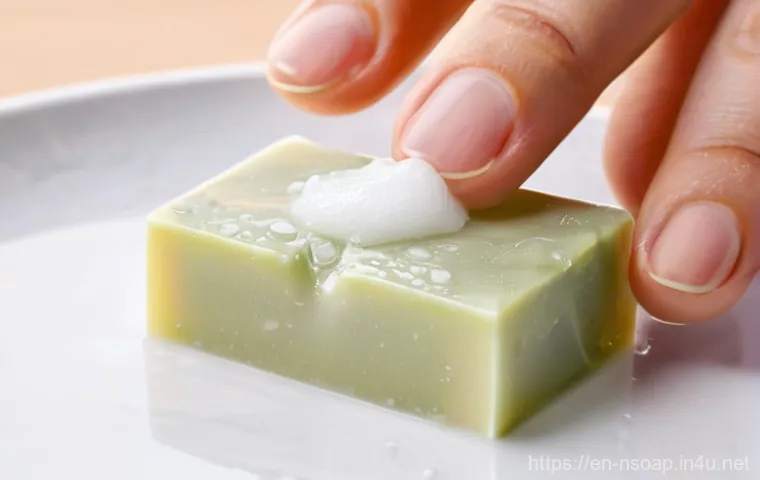
This is where the real value often reveals itself. When I started using natural soaps, I slowly but surely reduced my need for other skincare products. My skin became less dry, less irritated, and generally more balanced. This meant less money spent on heavy moisturizers, anti-itch creams, or specialty washes to address issues that conventional soaps were likely contributing to in the first place. Think of it as preventative care for your skin. While a conventional bar might cost you a couple of dollars, if you then spend another ten on lotion to soothe the dryness it caused, where’s the real saving? For me, the investment in a good natural soap is an investment in healthier skin and a simplified routine, leading to savings I hadn’t initially considered. It’s a win-win for my skin and my wallet, once I looked past that initial sticker shock.
A Greener Clean: How Natural Soaps Benefit More Than Just You
Beyond the amazing benefits for our skin, choosing natural soaps feels good on a much larger scale – it’s a conscious decision to be kinder to our planet. I’ve become increasingly aware of the environmental footprint of my daily routine, and making the switch to natural soap was a huge step in the right direction. When you think about it, conventional soaps are often packed with synthetic chemicals, detergents, and artificial fragrances that, when washed down the drain, end up in our water systems. Many of these compounds are not easily biodegradable and can have a negative impact on aquatic life and ecosystems. It’s a sobering thought that something as simple as our daily wash can contribute to pollution. Natural soaps, on the other hand, are typically made with plant-derived, biodegradable ingredients. This means they break down more easily and are far less harmful to the environment once they leave our homes. It’s a small change, but when millions of us make it, the collective impact is truly significant. It gives me a real sense of satisfaction knowing my skincare choices align with a more sustainable lifestyle, benefiting not just my body, but the wider world too.
Eco-Friendly Ingredients: A Cycle of Goodness
The beauty of natural soap often starts with its ingredients. Many natural soap makers prioritize sustainably sourced raw materials, meaning the oils and botanicals are grown and harvested in ways that don’t harm the environment. You’ll often find labels proudly stating “RSPO Certified Sustainable Palm Oil” or “organic essential oils,” which speaks volumes about their commitment to ecological responsibility. When I see these certifications, I feel good knowing that the product I’m using isn’t contributing to deforestation or other destructive practices. Furthermore, natural soaps typically avoid microplastics, harsh phosphates, and other pollutants that are unfortunately common in conventional liquid and bar soaps. It’s a complete cycle of goodness, from how the ingredients are grown to how they break down after use, minimizing our environmental impact every step of the way.
Packaging with a Purpose: Reducing Waste
Let’s not forget about the packaging! This is another area where natural soaps often shine. Many artisanal and ethical brands opt for minimal, recyclable, or compostable packaging, a stark contrast to the endless plastic bottles and wraps that come with most commercial products. I’ve switched to bars wrapped in simple paper or cardboard, and it feels incredibly satisfying to contribute less to landfill waste. Some brands even offer “naked” bars, completely free of packaging, which is the ultimate eco-friendly choice. It’s not just about the soap itself; it’s about the entire product lifecycle. By choosing natural bar soaps, you’re often supporting brands that are mindful of their environmental footprint from start to finish, and that’s a powerful statement we can all make with our purchasing power. Every small piece of plastic we avoid adds up, and it’s a difference you can literally feel good about.
The Natural Soap Spectrum: Finding Your Perfect Match
With so many incredible natural soaps out there, it can feel a little overwhelming to pick just one. I’ve certainly had my share of trial and error, but that’s part of the fun of discovery! The amazing thing about natural soap is the sheer variety available, catering to almost every skin type and preference imaginable. Whether you’re battling oily skin, struggling with dryness, or navigating sensitive patches, there’s a natural soap crafted specifically for you. It’s about understanding your skin’s unique needs and then looking for ingredients that will address those concerns. For instance, if you have oily or acne-prone skin, soaps with tea tree oil, charcoal, or even certain clays can be incredibly balancing and purifying. On the flip side, if dryness is your main complaint, look for bars loaded with extra nourishing butters like shea or avocado oil, which provide deep, lasting hydration. It’s a personalized journey, and what works wonders for my skin might be different for yours, and that’s perfectly okay! The key is to pay attention to the ingredient list and sometimes, just take a leap of faith and try something new.
Tailoring to Your Skin Type
This is where the real beauty of natural soap comes into play. Unlike one-size-fits-all commercial cleansers, natural soap makers often formulate bars with specific skin needs in mind. For my friends with sensitive skin, I always recommend starting with unscented bars or those scented very lightly with calming essential oils like lavender, avoiding harsh exfoliants. For those dealing with dry skin, bars rich in olive oil, shea butter, or cocoa butter are like a comforting hug, locking in moisture and leaving skin feeling incredibly soft. If you’re like me and sometimes deal with combination skin, I’ll often alternate between a purifying charcoal bar a few times a week and a more hydrating one on other days. It’s all about finding that perfect balance and giving your skin what it truly craves. A quick patch test on a small area, like your jawline or inner arm, is always a smart move when trying a new bar, just to be sure.
Beyond Skin: Uses You Might Not Expect
And guess what? Natural soaps aren’t just for your body! I’ve discovered so many alternative uses that have simplified my routine even further. Many people use them as gentle facial cleansers, especially if they have sensitive skin that reacts to conventional face washes. I’ve also heard of them being used for mild hair washing (though this requires a bit of an adjustment period and often an apple cider vinegar rinse, so do your research first!). For those tiny soap slivers that are too small to use in the shower? Don’t toss them! I collect mine in a small mesh bag to use as a scrubber for tough spots in the kitchen, or even as a natural laundry booster. Some people even melt them down to create new, multi-colored bars, which is a fun little DIY project. The versatility of a simple, natural bar of soap is truly astounding, and it’s another way these products offer so much more value than just a basic clean.
Decoding the “Lather-ability” and Other Fun Facts
Okay, let’s tackle some of the fun quirks and common questions that pop up when you start chatting about natural soaps. One of the big ones is this idea of “lather.” We’ve been so brainwashed by advertising showing huge, foamy explosions, right? So when you switch to a natural bar, and it gives you a creamy, almost lotion-like lather instead of a cloud, you might initially think, “Is this working?” I totally get it, I had the same thought! But trust me, that rich, dense lather from high-quality natural oils like coconut oil or castor oil is doing a fantastic job. It’s a different kind of sensation, but it’s incredibly effective at lifting dirt and impurities without stripping your skin. It’s not about quantity; it’s about quality. Plus, understanding how various oils contribute to different types of lather is actually pretty fascinating, turning your shower routine into a mini-science experiment! And speaking of fun facts, did you know that natural soaps generally have a pretty decent shelf life? While the scent from essential oils might fade after a year or so, the soap itself doesn’t “expire” in the way food does, as long as it’s stored correctly. I’ve found old bars that still lathered beautifully, even if they’d lost their initial aroma.
The Lather Scale: What to Expect
It’s true, not all natural soaps lather exactly the same way, and it often comes down to the blend of oils used. For instance, soaps heavy in coconut oil tend to produce a robust, bubbly lather, while those with a lot of olive oil might give you a silkier, less voluminous foam. Neither is “better” than the other; it’s just different! I’ve learned to appreciate the creamy, moisturizing lather of an olive oil-rich soap as much as the cleansing bubbles from a coconut oil bar. Hard water can also affect how much lather you get, as the minerals can react with the soap. If you live in an area with hard water, you might notice slightly less lather, but the soap is still working its magic. Sometimes, simply using a washcloth or a loofah can help create more suds if that’s what you prefer, without needing to seek out a different bar. It’s all part of embracing the natural soap experience.
The Skin’s pH Balance: A Gentle Harmony
One of the less talked about, but incredibly important, benefits of natural soaps is their ability to help maintain your skin’s natural pH balance. Our skin has a slightly acidic “acid mantle” which acts as a protective barrier against bacteria and environmental pollutants. Many conventional soaps, with their harsh chemicals, can disrupt this delicate balance, leading to dryness, irritation, and making your skin more vulnerable. Natural soaps, due to their formulation with natural oils and glycerin, are much closer to the skin’s natural pH, or at least help it return to balance much faster. I’ve noticed a significant reduction in skin sensitivity and a generally healthier complexion since I started using soaps that respect my skin’s natural state. It’s a subtle difference, but over time, it contributes immensely to overall skin health and resilience. It truly creates a gentle harmony rather than a harsh disruption.
Making Sense of Labels: Your Ingredient Cheat Sheet
Okay, let’s get down to brass tacks because I know how confusing those ingredient lists can be, even for something that claims to be “natural.” It’s like trying to decipher an ancient scroll sometimes! But arming yourself with a little knowledge makes you a powerhouse consumer, truly empowered to choose what’s best for your skin. When I first started my natural soap journey, I kept a mental (and sometimes literal!) checklist of what to look for and what to absolutely dodge. This isn’t just about avoiding bad stuff; it’s about actively seeking out the good, potent, skin-loving ingredients that will truly make a difference. We’re talking about components that are nourishing, safe, and effective, without any hidden surprises. The beauty industry can be a minefield of buzzwords and greenwashing, so being able to spot the genuine article from a mile away is a skill I consider essential. My ultimate goal is for my skin to feel pampered and protected, and that starts with understanding exactly what I’m putting on it.
Your Quick Guide to Stellar Ingredients
Here’s a quick rundown of the ingredients that usually get a big thumbs up from me. Think of this as your personal ingredient cheat sheet. You want to see natural oils and butters high up on the list: Olive Oil for its gentle nature and moisturizing properties, Coconut Oil for a lovely lather, Shea Butter for deep hydration, and Castor Oil for a creamy feel. Glycerin is a must-have humectant that draws moisture to your skin, so make sure it’s present and not stripped out. For natural scents, essential oils like Lavender (calming!), Peppermint (invigorating!), or Tea Tree (purifying!) are fantastic. And don’t forget the natural additives: Oatmeal for soothing exfoliation, Aloe Vera for its healing touch, various Clays for detoxification, or Activated Charcoal for deep cleansing. If the list is short, sweet, and reads like a recipe you could almost make in your kitchen, you’re probably on the right track!
The ‘No-Go’ List: Ingredients to Actively Avoid
And now, for the flip side: the ingredients that are definite red flags. I’ve personally experienced the irritation these can cause, so I urge you to be vigilant. The biggest offender is “Fragrance” or “Parfum.” This single, innocent-looking word can mask a cocktail of potentially harmful synthetic chemicals that cause allergies, skin irritation, and even hormone disruption. Next up are sulfates like Sodium Lauryl Sulfate (SLS) and Sodium Laureth Sulfate (SLES) – these are harsh detergents that strip your skin’s natural oils, leaving it dry and vulnerable. Parabens (like methylparaben, propylparaben) are used as preservatives but are known endocrine disruptors. Artificial colorants are purely cosmetic and can often cause irritation or allergic reactions. Phthalates, often hidden under “fragrance,” are another big no-no, linked to various health concerns. Also keep an eye out for Triclosan (banned in some antibacterial soaps but still lurking in others) and Formaldehyde-releasing preservatives. By avoiding these, you’re not just making a “natural” choice; you’re making a genuinely healthier choice for your beautiful skin.
| Feature | Natural Soap | Conventional Soap |
|---|---|---|
| Primary Ingredients | Plant-based oils (olive, coconut, shea), glycerin (naturally retained), essential oils, natural colorants/additives. | Petrochemicals (detergent-based), synthetic fragrances, artificial dyes, harsh chemicals (SLS, parabens). |
| Skin Impact | Gentle, moisturizing, maintains skin’s natural pH, nourishing, often anti-inflammatory and healing. | Can strip natural oils, leading to dryness, irritation, allergic reactions, potential disruption of skin barrier. |
| Lather | Creamy, rich, often less voluminous but effective; depends on oil blend. | Large, foamy lather due to synthetic surfactants, often dries out skin. |
| Environmental Impact | Biodegradable, often sustainably sourced ingredients, minimal/recyclable packaging. | Non-biodegradable chemicals, plastic waste, potential water pollution. |
| Cost | Higher initial cost due to quality ingredients & craftsmanship, but potentially more economical long-term (lasts longer, reduces need for other skincare). | Lower initial cost, but can lead to increased spending on other skincare to combat dryness/irritation. |
Wrapping Things Up
And there you have it, folks! My journey into the world of natural soaps has been nothing short of a revelation, and I truly hope sharing my experiences has shed some light on why making the switch can be so incredibly rewarding. It’s more than just a soap; it’s a conscious choice for healthier skin, a happier planet, and a simpler, more mindful daily ritual. If you’ve been on the fence, I wholeheartedly encourage you to take that leap. Your skin, and perhaps even your wallet in the long run, will absolutely thank you for it. Trust me, once you experience that gentle, nourishing clean, there’s truly no going back.
Handy Tips to Keep in Mind
1.
Always store your natural soap on a well-draining soap dish, preferably one with slats, to ensure it dries completely between uses. This significantly extends its lifespan and prevents mushiness. Trust me, a dry bar is a happy bar!
2.
Don’t be afraid to cut larger bars into smaller, more manageable pieces. This not only makes them easier to handle but also helps them dry faster, again contributing to a longer-lasting product.
3.
Read those ingredient labels! Look for recognizable plant-based oils and butters, essential oils for fragrance, and avoid “fragrance/parfum,” sulfates, and parabens to ensure you’re getting a truly natural product.
4.
Give your skin some time to adjust when you first switch. A brief “detox” phase is normal as your skin rebalances and sheds residue from conventional products. Patience is key here, and the benefits are worth the wait!
5.
Consider the environmental impact. Choosing natural, sustainably sourced soaps with minimal, eco-friendly packaging is a small but powerful way to contribute to a greener planet with your daily routine.
Key Takeaways
Switching to natural soap is a fantastic investment in your skin’s health, offering gentle yet effective cleansing, deep nourishment from nature’s finest ingredients, and a respectful approach to your skin’s delicate balance. While the initial cost might seem higher, the long-term benefits, including reduced need for other skincare products and a positive environmental impact, make it a truly smart and sustainable choice for both you and the planet. Embrace the change, understand the ingredients, and enjoy the beautiful transformation your skin will undergo.
Frequently Asked Questions (FAQ) 📖
Q: Are natural soaps truly better for sensitive skin, or is it just clever marketing?
A: Oh, this is a question I hear all the time! And trust me, I get it. We’ve all been burned by marketing hype, haven’t we?
It feels like every other product promises a miracle. But from my own journey, and from countless conversations with others who’ve struggled with reactive skin, I can honestly say, for many of us, natural soaps are a total game-changer.
My own skin used to react to practically everything – redness, itching, that tight, uncomfortable feeling. It was exhausting! But after making the switch, I noticed a dramatic reduction in those issues.
It’s like my skin could finally breathe! The magic really lies in what’s not in them. Unlike conventional soaps that often contain harsh sulfates like SLS and SLES, synthetic fragrances that can be a cocktail of allergens, artificial dyes, and parabens, natural soaps are typically crafted with ingredients that are much gentler.
They often retain the naturally occurring glycerin, which is a fantastic humectant, meaning it draws moisture to your skin, keeping it hydrated. Imagine that – a cleanser that actually helps moisturize instead of stripping everything away!
Now, I’m not saying every single natural soap will be a perfect fit for everyone; skin is incredibly personal. But for the vast majority of sensitive skin sufferers, ditching the aggressive chemicals found in commercial bars makes a world of difference.
It’s not just marketing fluff, friends, it’s about giving your skin a break from irritants and letting its natural balance shine through.
Q: I’ve heard about a ‘detox’ period when switching to natural soaps. Is that a real thing, and what should I expect?
A: Okay, so this one can be a little unnerving if you’re not prepared, but yes, for some people, a ‘detox’ or ‘purging’ phase is absolutely a real phenomenon.
I remember when I first switched from my old, chemical-laden body wash to a pure castile soap, my skin felt… different. Not necessarily bad, but definitely not instantly perfect, which kind of threw me off!
For about a week, I noticed some mild breakouts in areas I usually don’t get them, and my skin felt a bit “tacky” or even a little drier than usual initially.
It wasn’t a disaster, but it certainly wasn’t the glowing transformation I was expecting on day one. Here’s the deal: conventional soaps often strip your skin of its natural oils, which can cause your skin to overcompensate by producing more oil.
When you switch to a natural soap, which is gentler and doesn’t strip as harshly, your skin sometimes needs a little time to rebalance itself. It’s like your skin is hitting the reset button after being on overdrive for so long.
It’s flushing out accumulated gunk and getting used to maintaining its own healthy oil production without constant interference. This adjustment period typically lasts anywhere from a few days to a couple of weeks.
Mine lasted about a week, and then wow, the difference was incredible – clearer, softer, and much happier skin. So, if you experience a little temporary congestion or a slightly different texture, don’t panic!
Stick with it, keep your skin hydrated, and be gentle. Your skin is basically undergoing a gentle cleanse, and a little patience will definitely pay off!
Q: With so many natural soaps out there, how do I actually choose the right one for my specific skin type?
A: This is where the fun really begins, but also where it can feel a bit overwhelming, right? It’s like walking into a gourmet chocolate shop – so many amazing options, but which one is just right for you?
The key, my friends, is to become a savvy label reader and understand what ingredients love your skin. If you have dry or mature skin, you’ll want to look for super nourishing ingredients.
Think rich butters like shea butter or cocoa butter, and moisturizing oils like avocado oil, olive oil, or sweet almond oil. These are packed with fatty acids and vitamins that help replenish your skin’s barrier.
I personally swear by anything with a good dose of shea butter in winter – my skin just drinks it up and feels so much plumper! For those with oily or acne-prone skin, don’t shy away from natural soaps!
Look for ingredients like bentonite or kaolin clay, which are fantastic at absorbing excess oil and drawing out impurities without stripping. Activated charcoal is another powerhouse for deep cleansing.
Some people also find tea tree oil beneficial for its antibacterial properties, but use it cautiously, as it can be strong. For my friend who struggles with occasional breakouts, a charcoal-infused bar has been a godsend for keeping excess oil at bay.
If your skin is particularly sensitive, your best bet is to go for the simplest formulas. Look for unscented soaps, or those made with very gentle, soothing ingredients like colloidal oatmeal, calendula, or chamomile.
The fewer ingredients, the less chance of irritation. If you’re super sensitive like I used to be, starting with something incredibly gentle and fragrance-free is always a safe bet.
And if you’re lucky enough to have normal skin, the world is your oyster! You can experiment with different essential oil blends for scent, or explore soaps with various botanical infusions for added benefits.
No matter your skin type, always remember to patch test a new soap on a small area of your skin before going all in. And here’s my top tip: don’t just look for “natural” on the label – turn it over and read that ingredient list like it’s a detective novel!
Knowing your ingredients is empowering.