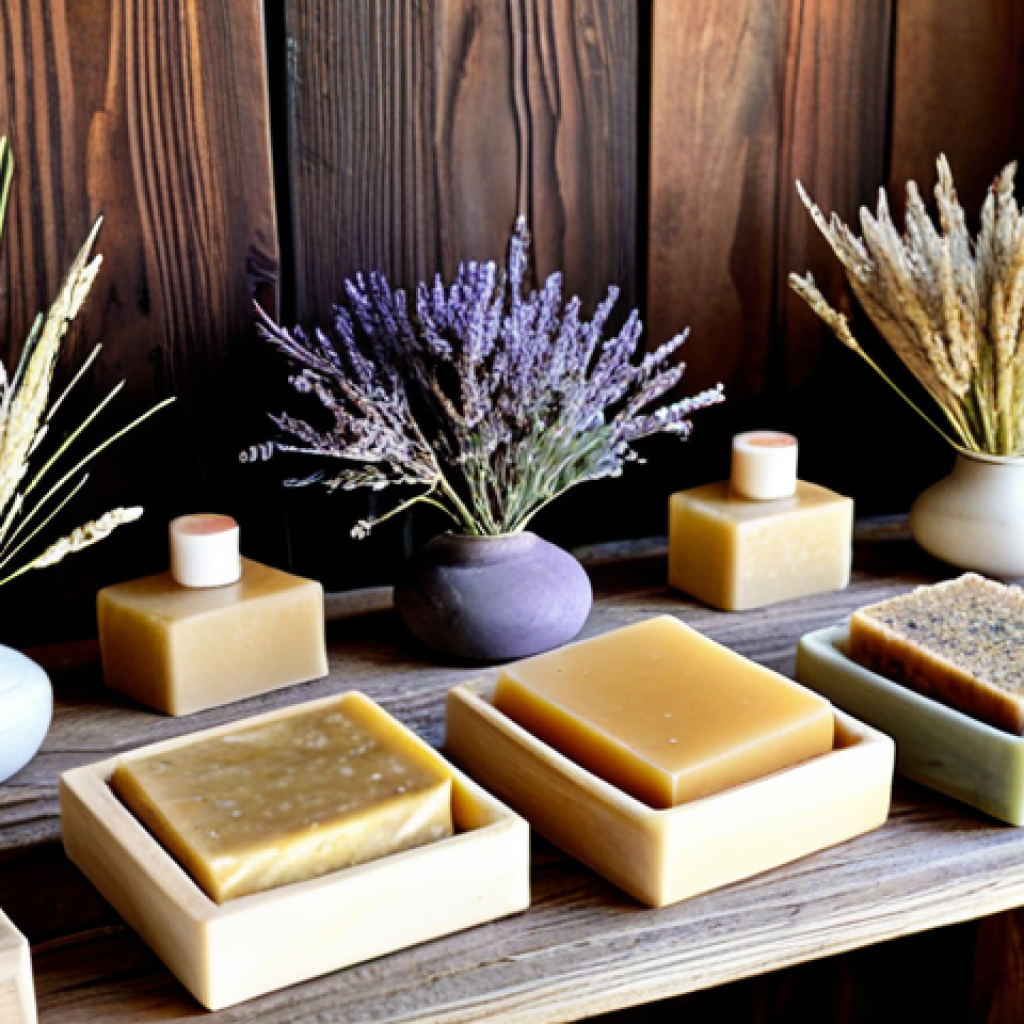
Natural soaps are making a huge comeback, and for good reason! Forget those harsh chemicals in commercial bars; we’re talking about nourishing ingredients that actually *benefit* your skin.
I’ve personally struggled with dry, itchy skin for years, and switching to natural soap has been a game-changer. From soothing botanicals to moisturizing oils, the right ingredients can transform your daily shower into a spa-like experience.
Plus, with growing awareness around environmental impact, choosing natural soap aligns with a more sustainable lifestyle. Current trends point to consumers prioritizing transparency and eco-friendly practices, so knowing exactly what’s in your soap is more important than ever.
Future predictions suggest even more innovative and personalized natural soap formulations emerging. Let’s dive in and discover what makes natural soap so special.
Alright, let’s craft that perfect blog post!
Unlock the Power of Plant-Based Oils
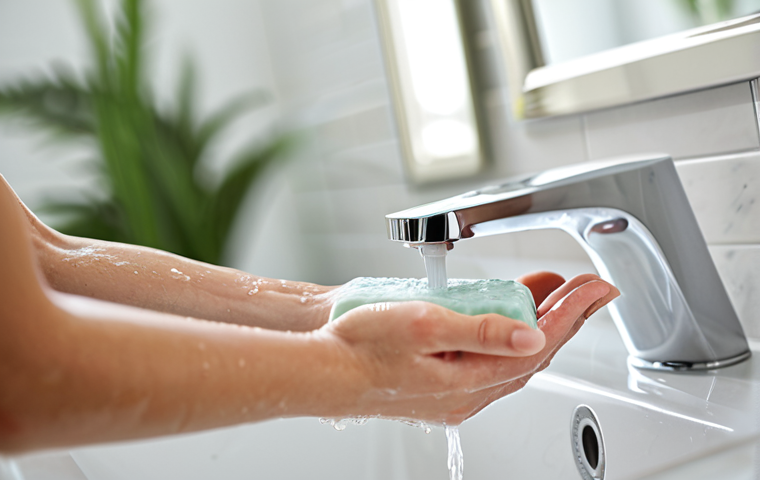
Plant-based oils are the rockstars of natural soapmaking! Seriously, ditching those synthetic detergents for something that actually *feeds* your skin is a total win.
I remember the first time I used a soap loaded with olive oil – my skin felt like it had taken a long, cool drink! These oils aren’t just about cleansing; they’re packed with essential fatty acids and antioxidants that can do wonders for your skin’s health.
We’re talking reduced inflammation, improved hydration, and even a natural glow. Think of it like giving your skin a daily dose of vitamins. Plus, these oils create a super creamy lather that feels amazing.
The Magic of Olive Oil
Olive oil isn’t just for cooking; it’s a powerhouse ingredient for soap! It’s naturally rich in antioxidants, which help protect your skin from damage caused by free radicals.
Plus, it’s incredibly moisturizing, leaving your skin feeling soft and supple. The high oleic acid content helps to maintain the skin’s natural barrier, preventing moisture loss and keeping dryness at bay.
My grandmother swore by olive oil for everything, and I’m starting to think she was onto something!
Coconut Oil for a Luxurious Lather
If you love a good, bubbly lather, coconut oil is your best friend. It’s known for its cleansing properties and ability to create a rich, creamy foam.
However, it can be a bit drying on its own, so it’s often combined with other moisturizing oils like olive or shea butter. I’ve found that coconut oil really helps to cut through grease and grime, leaving my skin feeling squeaky clean (but not stripped!).
The Soothing Touch of Shea Butter
Shea butter is like a hug for your skin. It’s incredibly nourishing and moisturizing, thanks to its high concentration of fatty acids and vitamins. It’s especially beneficial for dry, sensitive skin, as it helps to soothe irritation and reduce inflammation.
I personally love using soaps with shea butter during the winter months when my skin tends to get extra dry and itchy. It creates a protective barrier that helps to lock in moisture and keep my skin feeling comfortable all day long.
Embrace the Aromatic Benefits of Essential Oils
Okay, let’s be real – who doesn’t love a soap that smells amazing? But essential oils are so much more than just fragrance; they offer a whole range of therapeutic benefits for your skin and your mood!
I used to think essential oils were just a trendy gimmick, but then I started experimenting with different blends and was blown away by the results. Lavender for relaxation, tea tree for acne – the possibilities are endless!
Just make sure you’re using high-quality, pure essential oils from a reputable source. And always dilute them properly, as they can be irritating if used undiluted.
Lavender for Calming and Relaxation
Lavender is the queen of calming essential oils. Its soothing aroma can help to reduce stress, anxiety, and even promote better sleep. In soap, lavender essential oil can help to soothe irritated skin, reduce redness, and promote healing.
I love using lavender soap before bed to help me unwind and prepare for a restful night’s sleep. It’s like a mini aromatherapy session in the shower!
Tea Tree Oil for Blemish-Prone Skin
If you struggle with acne or blemishes, tea tree oil is your go-to essential oil. It’s known for its antibacterial and anti-inflammatory properties, which can help to fight acne-causing bacteria and reduce inflammation.
In soap, tea tree oil can help to cleanse and purify the skin, leaving it feeling refreshed and revitalized. I’ve found that using tea tree oil soap regularly has significantly reduced my breakouts and improved the overall clarity of my skin.
The Uplifting Power of Citrus Oils
Citrus essential oils like lemon, orange, and grapefruit are known for their uplifting and energizing properties. Their bright, zesty aromas can help to boost your mood and improve your focus.
In soap, citrus essential oils can help to brighten the skin, reduce oiliness, and leave you feeling refreshed and invigorated. I love using citrus soap in the morning to help me wake up and start my day on a positive note.
Discover the Exfoliating Magic of Natural Additives
Want to take your natural soap to the next level? Consider adding some natural exfoliants! I’m talking about ingredients like ground oats, sea salt, and even coffee grounds.
I was skeptical at first, but after trying a soap with ground oats, I was hooked. My skin felt smoother and softer than ever before! These additives help to gently scrub away dead skin cells, revealing brighter, healthier-looking skin underneath.
Plus, they can improve circulation and promote lymphatic drainage.
Gentle Exfoliation with Ground Oats
Ground oats are a gentle and effective exfoliant that’s perfect for sensitive skin. They help to remove dead skin cells without causing irritation, leaving your skin feeling soft and smooth.
Oats also have anti-inflammatory properties, which can help to soothe irritated skin and reduce redness. I love using oat soap on my face and body, especially during the winter months when my skin tends to get dry and flaky.
Invigorating Scrub with Sea Salt
If you’re looking for a more intense exfoliation, sea salt is a great option. It helps to slough away dead skin cells, improve circulation, and promote lymphatic drainage.
Sea salt also has antibacterial properties, which can help to fight acne-causing bacteria. I love using sea salt soap on my legs and arms to help smooth out rough patches and leave my skin feeling refreshed and revitalized.
Just be careful not to use it on sensitive areas, as it can be a bit abrasive.
Understanding the Soap Making Process: Cold Process vs. Hot Process
The way your natural soap is made can significantly impact its quality and characteristics. The two primary methods are cold process and hot process. I once accidentally tried to make cold process soap without properly understanding the saponification process – let’s just say it was a sticky, oily mess!
Learning the nuances of each method is key to appreciating the final product.
Cold Process: Patience and Precision
Cold process soapmaking involves mixing oils and lye at lower temperatures, typically below 120°F. This method preserves the beneficial properties of the oils and allows for more control over the design and fragrance of the soap.
However, it requires patience as the soap needs to cure for several weeks to allow the saponification process to complete and the lye to neutralize fully.
Hot Process: A Faster Route
Hot process soapmaking speeds up the saponification by applying heat during the process. This method involves cooking the soap mixture until it reaches a gel phase, ensuring that all the lye is fully reacted.
Hot process soaps are ready to use much sooner than cold process soaps, but they may have a slightly rougher texture.
Decoding the Label: What to Look for in Natural Soap
Navigating the world of natural soap labels can be overwhelming. It’s essential to know what ingredients to look for and what to avoid. I remember being completely confused by a label that listed “sodium tallowate” – turns out, it’s just a fancy name for animal fat!
Educating yourself about common soap ingredients will empower you to make informed choices. Here is an example of ingredients in natural soap.
| Ingredient | Description | Benefits |
|---|---|---|
| Olive Oil | Oil derived from olives | Moisturizing, antioxidant-rich |
| Coconut Oil | Oil derived from coconuts | Cleansing, creates a rich lather |
| Shea Butter | Fat extracted from shea tree nuts | Nourishing, soothing, moisturizing |
| Lavender Essential Oil | Oil extracted from lavender flowers | Calming, relaxing, anti-inflammatory |
| Tea Tree Oil | Oil extracted from tea tree leaves | Antibacterial, anti-inflammatory, acne-fighting |
Ingredients to Embrace
Look for labels that highlight plant-based oils (olive, coconut, shea butter), essential oils, and natural additives (oats, sea salt). Transparency is key; reputable brands will clearly list all ingredients.
Ingredients to Avoid
Steer clear of soaps containing synthetic fragrances, parabens, sulfates (SLS, SLES), and artificial colors. These ingredients can irritate the skin and may have adverse health effects.
Sustainability Matters: Choosing Eco-Friendly Options
Natural soap isn’t just better for your skin; it’s also better for the planet! I’ve become increasingly aware of the environmental impact of my choices, and switching to sustainable soap has been a small but meaningful change.
Biodegradable Ingredients
Opt for soaps made with biodegradable ingredients that won’t pollute waterways. Natural oils and plant-based additives break down more easily than synthetic chemicals.
Minimal and Recyclable Packaging
Choose soaps with minimal packaging or packaging made from recycled materials. Supporting brands that prioritize sustainability helps reduce waste and conserve resources.
DIY Natural Soap: A Fun and Rewarding Project
For the adventurous souls, making your own natural soap can be a fun and rewarding experience! It allows you to customize your soap with your favorite ingredients and scents.
I tried it once and, despite a few initial hiccups, ended up with a batch of beautiful, personalized soap.
Gather Your Ingredients
Start by gathering high-quality oils, lye, essential oils, and any desired additives. Ensure you have proper safety equipment, including gloves and eye protection.
Follow Safety Precautions
Lye is a caustic substance and should be handled with extreme care. Always wear gloves and eye protection, and work in a well-ventilated area. Follow a reputable recipe and never deviate from the recommended proportions.
Plant-based oils, aromatic essential oils, and natural exfoliants aren’t just ingredients; they’re your allies in achieving healthy, radiant skin. With a little knowledge and experimentation, you can unlock the power of natural soap and experience the difference for yourself!
In Conclusion
So, dive into the world of natural soapmaking and discover the incredible benefits that await! Experiment with different oils, essential oils, and additives to create a soap that’s perfectly tailored to your skin’s unique needs. Remember, it’s all about nourishing your skin with gentle, natural ingredients and embracing the power of nature.
Useful Tips
1. Always test a small area of skin before using a new soap to check for any allergic reactions.
2. Store your natural soap in a dry place to prevent it from becoming soft and mushy.
3. Rotate your soaps regularly to ensure that each one has time to dry out between uses.
4. Consider using a soap dish with drainage to help prolong the life of your soap.
5. Don’t be afraid to experiment with different combinations of oils and essential oils to find your perfect blend!
Key Takeaways
Natural soaps made with plant-based oils offer superior moisturizing and cleansing benefits compared to synthetic detergents.
Essential oils provide therapeutic benefits beyond just fragrance, such as relaxation, acne-fighting, and mood-boosting properties.
Natural additives like ground oats and sea salt offer gentle yet effective exfoliation, revealing smoother and healthier-looking skin.
Understanding the soap-making process, whether cold process or hot process, helps you appreciate the quality and characteristics of your soap.
Choosing eco-friendly options by opting for biodegradable ingredients and minimal packaging supports sustainability.
Frequently Asked Questions (FAQ) 📖
Q: What exactly is natural soap, and how is it different from the regular stuff I buy at the drugstore?
A: Okay, so think of it this way: that drugstore soap is usually packed with detergents, artificial fragrances, and preservatives – things that can strip your skin of its natural oils.
Natural soap, on the other hand, is made with plant-based oils like olive oil, coconut oil, or shea butter. I actually learned this the hard way – I had a nasty rash on my arms for ages, and my dermatologist was all, “Check your soap!” Switched to natural, and poof, rash gone!
The big difference is that natural soaps are gentler and often include beneficial ingredients like essential oils and herbs that can soothe and hydrate.
Q: I’m allergic to a bunch of things. How can I be sure a natural soap won’t make me break out in hives?
A: Ugh, allergies are the worst! Been there, done that. Always, always read the ingredient list super carefully.
Look for soaps with short, simple ingredient lists. If you see a mile-long list of ingredients you can’t pronounce, that’s a red flag. Even with natural ingredients, some people react to things like lavender or certain essential oils.
My tip? Do a patch test! Rub a little bit of the soap on a small area of your skin (like your inner arm) and wait 24 hours.
If it gets itchy or red, skip it. Also, look for soaps specifically labeled “hypoallergenic” or “fragrance-free,” as those are usually formulated to be extra gentle.
Q: Natural soap sounds nice, but does it actually clean as well as my usual soap? I don’t want to trade skincare for, like, actual cleanliness!
A: I totally get the concern! It’s a valid question. The good news is, natural soap absolutely cleans.
The saponification process (when oils react with an alkali like lye) creates soap molecules that lift away dirt and grime just like traditional soaps.
I’ve been using natural soap for years, even after workouts, and I feel perfectly clean. The trick is to make sure you’re using a soap that lathers well (coconut oil is great for that).
And honestly, sometimes that “squeaky clean” feeling from commercial soaps is actually your skin being stripped of its natural oils, which isn’t ideal in the long run.
So yeah, you can definitely get clean with natural soap, and your skin will probably thank you for it!
📚 References
Wikipedia Encyclopedia
구글 검색 결과
구글 검색 결과
구글 검색 결과
구글 검색 결과