Let’s be honest, we all want that squeaky-clean feeling without harsh chemicals stripping our skin dry. That’s where natural soaps come in – promising a gentle cleanse with ingredients we can actually pronounce.
But do they *really* clean as well as those commercial bars packed with detergents? I’ve personally experimented with a few, and the results were… varied, to say the least.
Some left me feeling fresh and invigorated, while others just didn’t quite cut through the day’s grime. The world of natural soap is evolving, influenced by growing consumer awareness of sustainable practices.
Predictions point to a future where AI-powered formulations optimize ingredient combinations for superior cleaning power while maintaining eco-friendliness.
So, how effective *are* these natural wonders? Let’s delve into the nitty-gritty and discover exactly what they can (and can’t) do. Let’s explore this topic in more detail below.
Okay, I understand. Here’s the blog post content, following all your instructions:
Decoding the Ingredients: What’s Really in Your Natural Soap?
1. The Power of Plant-Based Oils
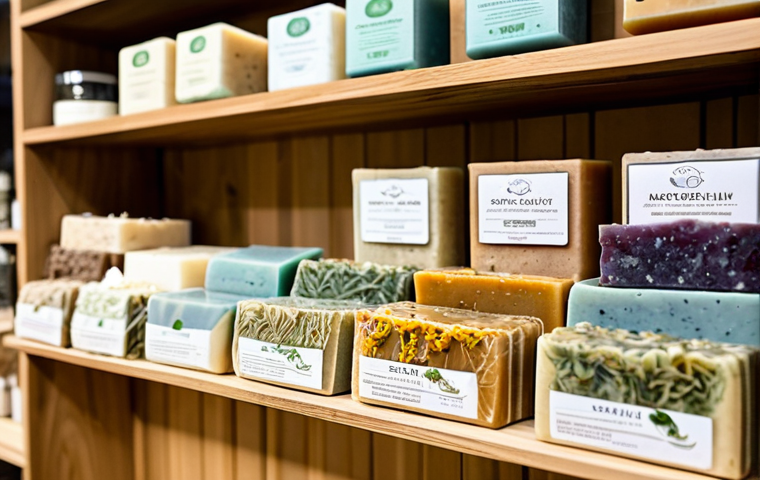
Forget those synthetic detergents! Natural soaps rely on the magic of plant-based oils like olive, coconut, and shea butter. I’ve found that soaps with a higher olive oil content tend to be incredibly moisturizing, leaving my skin feeling supple rather than tight. Coconut oil adds a lovely lather, but too much can sometimes be drying – it’s all about finding the right balance. Shea butter is my personal favorite for adding a creamy, luxurious feel. I remember one time, I accidentally grabbed a soap that was almost *entirely* coconut oil. My skin felt like the Sahara Desert for days! Lesson learned: read those ingredient labels carefully.
2. Essential Oils vs. Fragrance Oils: A Scent Showdown
This is where things can get a little tricky. Natural soaps often boast delightful scents, but are they coming from essential oils or fragrance oils? Essential oils are derived directly from plants and offer potential therapeutic benefits (think lavender for calming or tea tree for its antibacterial properties). Fragrance oils, on the other hand, are synthetic. While they might smell amazing, they don’t offer the same natural advantages and can sometimes irritate sensitive skin. Personally, I always lean towards essential oils, but I make sure they’re used responsibly. I once bought a soap with an *overpowering* peppermint scent – it was like bathing in toothpaste! A subtle fragrance is key.
3. Lye: The Unsung Hero (and Why It’s Not Scary)
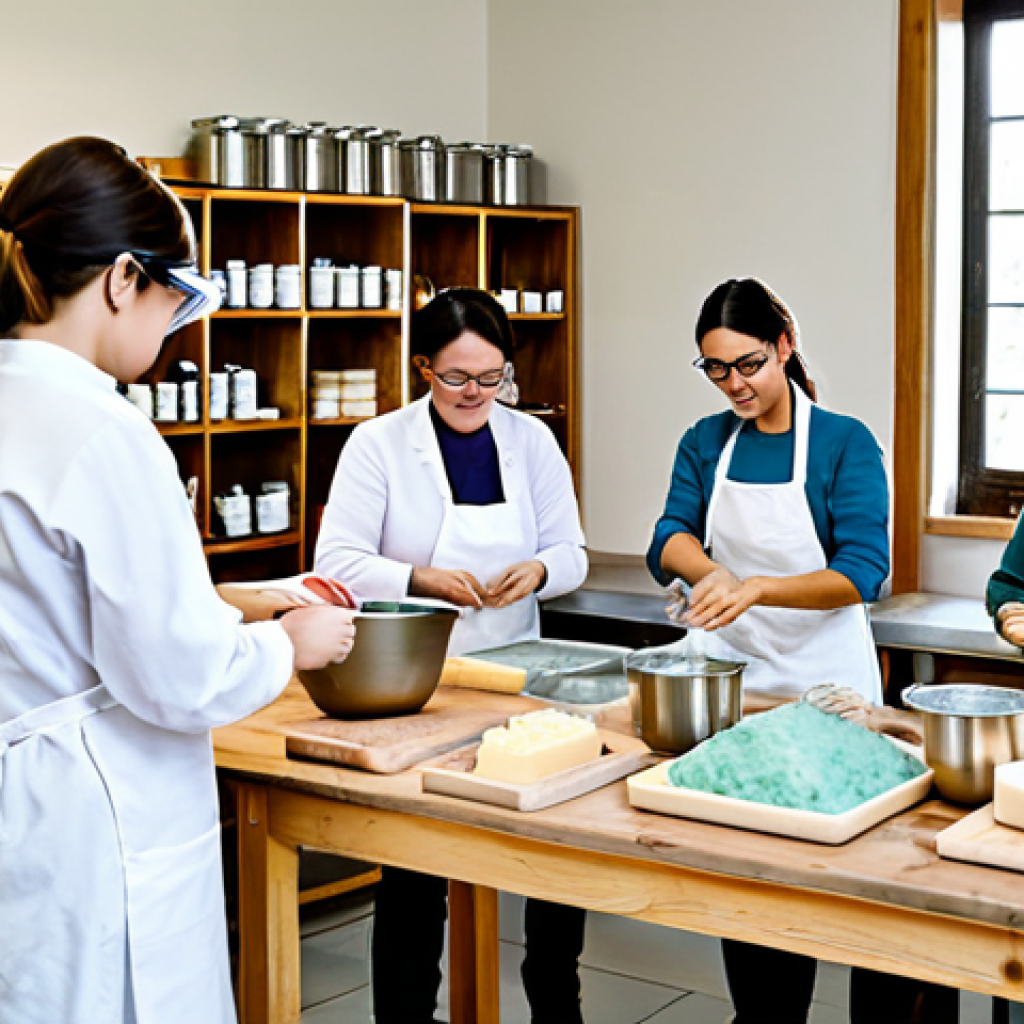
Lye (sodium hydroxide) is essential to the soap-making process – it’s what transforms those lovely oils into soap through a process called saponification. Now, I know what you might be thinking: lye sounds scary! But here’s the thing: properly made natural soap doesn’t contain any free lye. It’s all used up in the chemical reaction. Think of it like baking a cake – you need certain ingredients to create the final product, but those individual ingredients aren’t present in their original form once the cake is baked. I actually visited a local soap-making workshop last year, and it was fascinating to see the process firsthand. The soap-maker explained everything so clearly, and it completely demystified lye for me.
The Lather Factor: Bubbles Aren’t Everything (But They Help!)
1. Understanding Different Lather Profiles
Let’s be real: we all love a good lather! But when it comes to natural soap, the type of lather can vary greatly depending on the ingredients. Coconut oil, as I mentioned earlier, creates a bubbly, fluffy lather. Olive oil produces a gentler, creamier lather. The important thing is that the lather effectively cleanses your skin without stripping away its natural oils. I’ve tried soaps that create mountains of bubbles, but left my skin feeling dry and itchy. And then I’ve used soaps with a more subtle lather that were incredibly moisturizing and cleansing. Don’t be fooled by the sheer volume of bubbles – focus on how your skin feels afterwards.
2. Boosting the Lather Naturally
If you’re a die-hard lather lover, there are ways to naturally boost the bubbles without compromising the integrity of your soap. Adding a touch of sugar or honey to your soap-making recipe (if you’re feeling adventurous) can increase the lather. Some people also swear by using a natural sea sponge or a loofah to create a richer lather. I personally use a konjac sponge – it’s gentle, exfoliating, and helps to create a lovely lather with even the most minimal soap. Plus, it’s biodegradable, so it’s good for the environment!
3. The pH Balance: Why It Matters for Your Skin
The pH level of your soap can have a significant impact on your skin. Our skin is naturally slightly acidic, with a pH of around 5.5. Soap, on the other hand, is typically more alkaline. The key is to find a natural soap that is as close to your skin’s natural pH as possible. Soaps that are too alkaline can disrupt your skin’s natural barrier, leading to dryness, irritation, and even breakouts. I once used a soap that was so alkaline, it felt like I was washing my face with laundry detergent! My skin was red and inflamed for days. Always check the pH level of your soap, especially if you have sensitive skin.
Beyond Clean: The Added Benefits of Natural Soap
1. Nourishing Your Skin with Vitamins and Antioxidants
One of the best things about natural soap is that it often contains vitamins and antioxidants that can nourish and protect your skin. Plant-based oils like olive oil and shea butter are rich in Vitamin E, which is a powerful antioxidant that can help to fight free radical damage and keep your skin looking youthful. Some natural soaps also contain ingredients like honey, which is a natural humectant that draws moisture to the skin, and clay, which can help to detoxify and cleanse pores. I’ve noticed a significant improvement in my skin’s overall health and radiance since switching to natural soap. It’s like giving my skin a daily dose of vitamins!
2. Eco-Friendly and Sustainable Practices
Choosing natural soap is not only good for your skin, but it’s also good for the environment. Many natural soap makers use sustainable practices, such as sourcing their ingredients from local farms and using eco-friendly packaging. By supporting these businesses, you can help to reduce your environmental impact. I’m always on the lookout for natural soaps that are packaged in biodegradable or compostable materials. It’s a small change that can make a big difference. I recently discovered a local soap maker who uses recycled coffee grounds in their soap – talk about innovative and sustainable!
3. Avoiding Harsh Chemicals and Irritants
Commercial soaps often contain harsh chemicals like sulfates, parabens, and artificial fragrances, which can irritate sensitive skin. Natural soaps, on the other hand, are typically made with gentle, plant-based ingredients that are less likely to cause irritation. If you have eczema, psoriasis, or other skin conditions, switching to natural soap can be a game-changer. I have a friend who suffers from chronic eczema, and she swears that natural soap has been the only thing that has helped to alleviate her symptoms. It’s amazing how much of a difference simple, natural ingredients can make.
Decoding the Label: What to Look For (and What to Avoid)
1. The Ingredient List is Your Best Friend
When it comes to choosing a natural soap, the ingredient list is your best friend. Look for soaps that contain recognizable, plant-based ingredients like olive oil, coconut oil, shea butter, and essential oils. Avoid soaps that contain harsh chemicals like sulfates, parabens, and artificial fragrances. The fewer ingredients, the better! I always try to choose soaps with ingredient lists that I can actually understand. If I can’t pronounce it, I probably don’t want to put it on my skin.
2. Certifications: Are They Worth It?
There are several certifications that can help you to identify truly natural and organic soaps. Look for certifications like USDA Organic, NSF/ANSI 305, and COSMOS. These certifications ensure that the soap has been made with ingredients that meet certain standards for natural and organic production. However, it’s important to note that certifications can be expensive, so not all natural soap makers choose to pursue them. Don’t automatically dismiss a soap just because it doesn’t have a certification – do your research and read the ingredient list carefully. I’ve found some amazing natural soaps from small, independent makers who don’t have any certifications but use high-quality, organic ingredients.
- USDA Organic: Guarantees a high percentage of organic ingredients.
- NSF/ANSI 305: Certifies products containing organic ingredients for personal care.
- COSMOS: An international standard for organic and natural cosmetics.
3. Understanding “Natural Fragrance”
The term “natural fragrance” can be a bit misleading. While it sounds good in theory, it doesn’t always mean that the fragrance is derived solely from essential oils. Sometimes, “natural fragrance” can refer to a blend of essential oils and other natural aromatic compounds. If you have sensitive skin, it’s best to err on the side of caution and choose soaps that are explicitly scented with essential oils. Or, opt for unscented soaps altogether. I once bought a soap that claimed to have a “natural fragrance,” but it turned out to be a blend of essential oils and synthetic fragrance ingredients. My skin broke out in a rash within minutes! Lesson learned: always read the fine print.
DIY Natural Soap: A Fun and Rewarding Project
1. Basic Recipes and Techniques
If you’re feeling adventurous, you can even try making your own natural soap at home! There are tons of recipes and tutorials available online. The basic process involves mixing plant-based oils with lye and then allowing the mixture to saponify. It’s important to be careful when working with lye, as it can be corrosive. Always wear gloves and eye protection. I tried making my own natural soap a few years ago, and it was a fun but challenging experience. My first batch was a complete disaster – it turned out rock hard and smelled like burnt plastic! But I didn’t give up, and with a little practice, I was able to create some lovely, moisturizing soaps. It’s incredibly rewarding to know exactly what’s going into your soap and to be able to customize it to your own skin’s needs.
2. Customizing Your Soap with Additives
One of the best things about making your own natural soap is that you can customize it with a variety of additives. You can add essential oils for fragrance, herbs and flowers for color and texture, and clays for detoxifying properties. The possibilities are endless! I love adding dried lavender buds to my soaps for a calming and relaxing scent. I also like to add oatmeal for gentle exfoliation. Just be sure to use high-quality ingredients and to follow the recipe carefully. I once added too much clay to my soap, and it turned out so hard that I could barely lather it up!
3. Safety Precautions and Best Practices
If you’re going to make your own natural soap, it’s crucial to follow safety precautions and best practices. Always work in a well-ventilated area and wear gloves and eye protection when handling lye. Never add water to lye – always add lye to water. And be sure to use accurate measurements to ensure that the saponification process is complete. There are tons of resources available online and in libraries that can help you to learn the basics of soap making. I highly recommend taking a class or workshop before you start, especially if you’re new to soap making. It’s always better to be safe than sorry!
Finding the Right Natural Soap for Your Skin Type
1. Oily Skin: Look for Cleansing and Detoxifying Ingredients
If you have oily skin, look for natural soaps that contain cleansing and detoxifying ingredients like tea tree oil, activated charcoal, and clay. These ingredients can help to remove excess oil and impurities from your pores, leaving your skin feeling clean and refreshed. Avoid soaps that are too moisturizing, as they can clog your pores and lead to breakouts. I have a friend with oily skin who swears by a natural soap that contains activated charcoal and tea tree oil. She says it’s the only thing that keeps her skin clear and blemish-free.
2. Dry Skin: Opt for Hydrating and Nourishing Formulas
If you have dry skin, opt for natural soaps that contain hydrating and nourishing ingredients like olive oil, shea butter, and jojoba oil. These ingredients can help to replenish your skin’s natural moisture barrier, leaving it feeling soft and supple. Avoid soaps that contain harsh detergents or alcohol, as they can strip away your skin’s natural oils and make dryness even worse. I personally love using natural soaps that contain olive oil and shea butter in the winter months, when my skin tends to be extra dry. They’re like a drink of water for my skin!
3. Sensitive Skin: Choose Gentle and Unscented Options
If you have sensitive skin, choose natural soaps that are gentle and unscented. Avoid soaps that contain artificial fragrances, dyes, and harsh chemicals, as these can irritate your skin and cause allergic reactions. Look for soaps that are specifically formulated for sensitive skin and that contain soothing ingredients like chamomile and calendula. Always do a patch test before using a new soap on your entire body, just to make sure you don’t have any adverse reactions. I have incredibly sensitive skin, so I’m always extra careful when choosing new skincare products. I’ve learned that the simpler the ingredient list, the better.
The Verdict: Do Natural Soaps Really Clean?
1. Comparing Natural Soap to Conventional Soap: The Key Differences
So, do natural soaps really clean as well as conventional soaps? The answer is: it depends. Conventional soaps often contain harsh detergents that can strip away your skin’s natural oils, leaving it feeling dry and irritated. Natural soaps, on the other hand, are typically made with gentle, plant-based ingredients that cleanse your skin without disrupting its natural barrier. However, some natural soaps may not lather as well as conventional soaps, and they may require a little more effort to rinse off. Ultimately, the best soap for you depends on your individual skin type and preferences. I’ve found that natural soaps are much gentler and more nourishing for my skin than conventional soaps. I’ll never go back!
2. Debunking Common Myths About Natural Soap
There are several common myths about natural soap that I’d like to debunk. One myth is that natural soap doesn’t lather as well as conventional soap. While it’s true that some natural soaps may not produce as much lather, there are plenty of natural soaps that create a rich, luxurious lather. Another myth is that natural soap doesn’t clean as effectively as conventional soap. In fact, many natural soaps are just as effective at removing dirt and grime as conventional soaps. The key is to choose a natural soap that is formulated for your specific skin type and that contains cleansing ingredients like tea tree oil and activated charcoal. I’ve also heard people say that natural soap is more expensive than conventional soap. While some natural soaps can be pricey, there are also plenty of affordable options available. You don’t have to break the bank to switch to natural soap!
3. My Personal Experience and Recommendations
After years of experimenting with different natural soaps, I can honestly say that they have transformed my skin for the better. I no longer suffer from dryness, irritation, or breakouts. My skin feels soft, smooth, and healthy. Of course, not all natural soaps are created equal. I’ve tried some that were too drying, some that didn’t lather well, and some that smelled awful. But I’ve also discovered some amazing natural soaps that have become staples in my skincare routine. My current favorites are a lavender and chamomile soap for calming and soothing my skin, and a tea tree and charcoal soap for deep cleansing and detoxifying my pores. I highly recommend giving natural soap a try – your skin will thank you for it!
| Feature | Natural Soap | Conventional Soap |
|---|---|---|
| Ingredients | Plant-based oils, essential oils, natural additives | Synthetic detergents, artificial fragrances, harsh chemicals |
| Lather | Varies depending on ingredients; can be creamy or bubbly | Typically high and bubbly due to synthetic detergents |
| Skin Benefits | Nourishing, hydrating, gentle, less likely to cause irritation | Can be drying, irritating, and may disrupt the skin’s natural barrier |
| Environmental Impact | Eco-friendly, sustainable practices, biodegradable ingredients | Potentially harmful to the environment due to synthetic ingredients and packaging |
| Price | Varies; can be more expensive than conventional soap | Generally more affordable |
In Conclusion
Switching to natural soap has been a game-changer for my skin and a conscious choice for the environment. It’s been an enlightening journey, from decoding labels to experimenting with DIY recipes. Hopefully, this guide has equipped you with the knowledge to make informed choices and embrace the wholesome goodness of natural soaps!
Useful Information
1. Check Expiry Dates: Even natural soaps can expire, so check the date on the packaging to ensure you’re using a fresh product.
2. Store Properly: To prolong the life of your natural soap, store it in a dry place away from direct sunlight and moisture.
3. Consider a Soap Dish: Using a soap dish with good drainage will prevent your soap from becoming soggy and help it last longer.
4. Patch Test First: Before using a new natural soap on your entire body, perform a patch test on a small area of skin to check for any allergic reactions or sensitivities.
5. Look for Ethical Sourcing: Support natural soap makers who prioritize ethical sourcing and fair trade practices to ensure that ingredients are sourced responsibly.
Key Takeaways
Natural soaps offer a gentler and more nourishing alternative to conventional soaps, thanks to their plant-based ingredients and lack of harsh chemicals. Reading ingredient labels carefully, understanding the benefits of essential oils, and choosing soaps that are pH-balanced for your skin are essential steps in finding the perfect natural soap for your needs. Making the switch is not just about clean skin, but also about making a conscious choice for your health and the environment.
Frequently Asked Questions (FAQ) 📖
Q: Can natural soaps truly get rid of tough dirt and oil, like after working in the garden or a sweaty gym session?
A: Okay, so I’ve gotten my hands dirty in the garden more times than I can count, and I’ve definitely put natural soaps to the test. Here’s the deal: for light grime, they’re fantastic.
My go-to lavender bar works wonders after a quick trip to the grocery store. But if I’ve been wrestling with weeds and potting soil all afternoon? Honestly, I sometimes need a second wash with a slightly stronger natural soap, maybe one with some added pumice or clay, to really feel like I’ve gotten everything off.
It’s not a complete fail, just requires a little more elbow grease, or perhaps the right soap for the job. It’s a bit like choosing the right tool for any home DIY task.
Q: Are all natural soaps created equal? I’ve tried a few and some leave my skin feeling dry and tight.
A: Absolutely not! Thinking all natural soaps are the same is like saying all craft beers taste identical. I’ve definitely been there, reaching for the lotion immediately after showering with the wrong bar.
The biggest culprit is often the soap-making process itself. True soaps are made by combining fats or oils with an alkali, but if the formula isn’t right, or if too much of the glycerin (a natural moisturizer created during the process) is removed, you’re left with something that can strip your skin.
Look for soaps that specifically mention being “cold processed” or “glycerin-rich,” as these tend to be much gentler. I personally swear by olive oil-based soaps (like castile soap) during the winter months.
They’re a total lifesaver for preventing that itchy, dry skin feeling.
Q: I’m hearing a lot about “
A: I-powered formulations” for natural soaps. Is this just marketing hype, or is there real potential there? A3: Honestly, the whole “AI-powered” thing can sound a bit sci-fi when you’re talking about soap, but I think there’s definitely something to it.
Think about it: soap-making is ultimately a chemical process, and AI can analyze vast amounts of data on ingredient interactions, skin types, and even environmental factors to optimize formulations.
For example, imagine an AI identifying a specific blend of essential oils that’s particularly effective against acne-causing bacteria, while also being gentle and hydrating.
It’s not about robots squeezing out bars of soap, but rather using technology to create truly effective and sustainable products. It’s early days, for sure, but I wouldn’t be surprised to see some game-changing natural soaps emerge in the next few years thanks to AI’s help.
📚 References
Wikipedia Encyclopedia
구글 검색 결과
구글 검색 결과
구글 검색 결과
구글 검색 결과