Natural soaps have gained immense popularity as people seek gentler, eco-friendly alternatives to conventional skincare products. Packed with plant-based ingredients and free from harsh chemicals, these soaps promise nourishing benefits for various skin types.
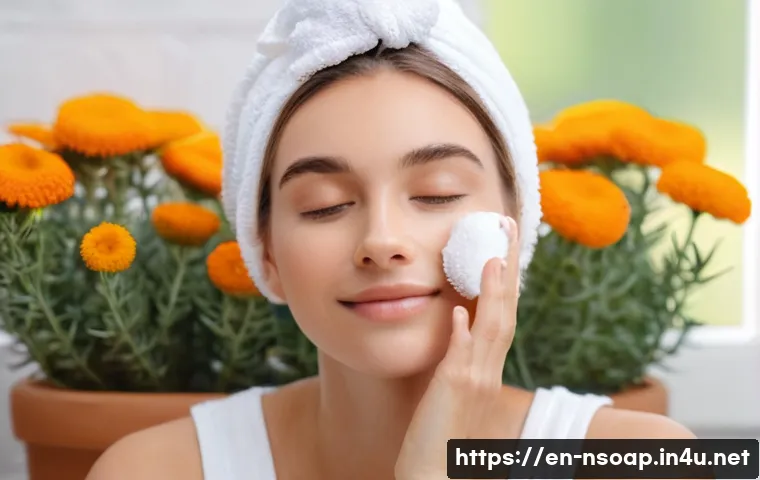
However, while many rave about their moisturizing and soothing properties, it’s important to be aware of potential side effects that might arise. Understanding both the advantages and drawbacks can help you make an informed choice tailored to your skin’s unique needs.
Curious about how natural soap truly impacts your skin? Let’s dive deeper and explore the facts together!
How Natural Soaps Nourish Different Skin Types
Deep Moisturization Without the Grease
Natural soaps often contain oils like olive, coconut, or shea butter, which deeply hydrate the skin without leaving a heavy or greasy residue. From my personal experience, using a natural soap with shea butter made my usually dry skin feel soft and supple throughout the day, even during winter.
These plant-based oils mimic the skin’s natural lipids, helping to restore the moisture barrier gently, which conventional soaps can often strip away.
Unlike synthetic detergents, natural soaps maintain a balance that supports skin hydration rather than disrupting it.
Gentle Cleansing for Sensitive Skin
If you have sensitive or reactive skin, natural soaps might be a game-changer. They typically exclude harsh chemicals like sulfates, parabens, and synthetic fragrances, which are common irritants.
For example, a friend of mine with eczema noticed less redness and itching after switching to a fragrance-free natural soap containing calendula and chamomile extracts.
These ingredients are known for their calming and anti-inflammatory effects, making natural soaps a kinder option for delicate skin prone to flare-ups.
Balancing Oily and Acne-Prone Skin
Contrary to the myth that natural soaps can be too moisturizing for oily skin, many formulas include ingredients like tea tree oil, charcoal, or clay that absorb excess sebum and purify pores.
I personally found that a charcoal-based natural soap helped reduce breakouts without over-drying my skin. These soaps cleanse effectively while preserving the skin’s natural oils, preventing the rebound effect of overproduction that harsh soaps often trigger.
Common Ingredients That Make Natural Soaps Effective
Plant Oils and Butters
Olive oil, coconut oil, and shea butter are staples in natural soap making. They provide fatty acids essential for skin nourishment and help create a creamy lather that cleanses gently.
These oils are also rich in antioxidants and vitamins, which protect the skin from environmental damage.
Essential Oils for Aroma and Benefits
Essential oils like lavender, peppermint, and eucalyptus not only provide a natural scent but also offer therapeutic effects. Lavender calms irritated skin, peppermint invigorates and refreshes, while eucalyptus has antiseptic properties.
However, it’s important to note that essential oils can sometimes cause sensitivity in very reactive individuals.
Botanical Extracts and Natural Additives
Herbal extracts such as chamomile, calendula, and green tea are frequently included for their soothing and antioxidant properties. Natural exfoliants like oatmeal and ground almonds help remove dead skin cells without harsh abrasion, promoting smoother, healthier skin over time.
Potential Reactions and How to Spot Them
Allergic Responses to Natural Ingredients
Even natural components can provoke allergies. For instance, nut-based oils like almond oil might trigger reactions in people with nut allergies. Essential oils, while beneficial, can also cause redness, itching, or rashes if used in high concentrations or on sensitive skin.
It’s always wise to patch-test a new natural soap on a small skin area before fully incorporating it into your routine.
Dryness or Tightness After Use
Some natural soaps, particularly those made with high coconut oil content, can feel drying for certain skin types. I noticed my skin felt tight after using a soap with too much coconut oil, which can be more cleansing than moisturizing.
Balancing the ingredients is key to avoid over-stripping natural oils and maintain skin comfort.
pH Levels and Skin Compatibility
Natural soaps usually have a higher pH than synthetic ones, which can disrupt the skin’s acid mantle temporarily. This might lead to dryness or increased sensitivity if your skin isn’t accustomed to it.
Gradually introducing natural soaps and choosing those formulated to maintain a balanced pH can help mitigate this issue.
Choosing the Right Natural Soap for Your Skin
Assess Your Skin Type Honestly
Before picking a natural soap, take a moment to understand your skin’s unique needs. Dry skin benefits from soaps rich in moisturizing butters like shea or cocoa, while oily or acne-prone skin requires ingredients that help regulate sebum production, like charcoal or tea tree oil.
Sensitive skin should prioritize fragrance-free options with calming botanicals.
Read Ingredient Lists Carefully
Not all natural soaps are created equal. Some brands might use “natural” as a marketing term but still include irritating additives. Look for clear labels listing pure oils, essential oils in safe concentrations, and certified organic ingredients.
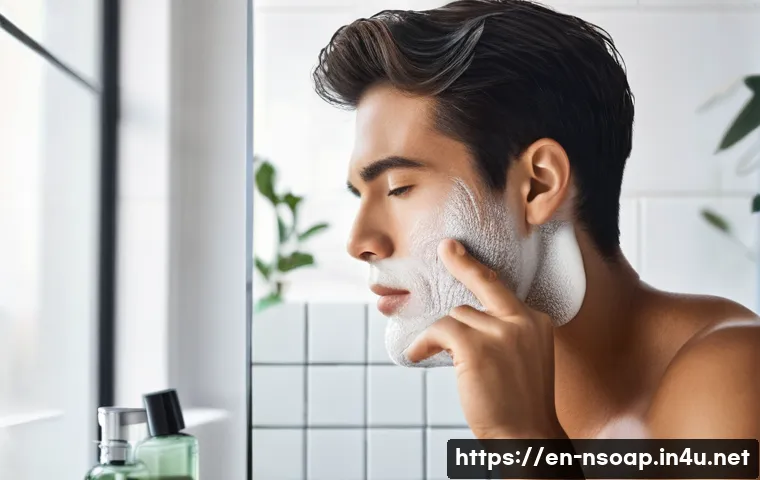
Avoid soaps with synthetic fragrances or preservatives disguised as natural.
Trial and Error Is Part of the Journey
Finding the perfect natural soap can take time. What worked wonders for a friend might not suit your skin. I recommend buying smaller sizes or sample bars first to test how your skin reacts.
Keep a journal to note changes in skin texture, moisture, and any irritation to make informed decisions.
Environmental and Ethical Advantages of Natural Soaps
Biodegradability and Reduced Pollution
Natural soaps break down more easily in the environment, reducing the chemical load in waterways compared to synthetic detergents. Choosing biodegradable soaps helps protect aquatic life and contributes to a healthier ecosystem, which is a bonus for eco-conscious consumers.
Support for Sustainable Farming and Fair Trade
Many natural soap producers source ingredients from small-scale farmers practicing sustainable agriculture. This supports local communities and promotes ethical labor practices.
When you buy natural soaps, you often contribute to a fairer economy, which adds an extra layer of satisfaction to your purchase.
Minimal Packaging and Waste Reduction
Natural soap bars typically come with minimal or recyclable packaging, unlike liquid soaps that require plastic bottles. This simple choice can significantly cut down household plastic waste, aligning with a zero-waste lifestyle many are striving for today.
How to Maximize Benefits While Avoiding Drawbacks
Use Lukewarm Water and Gentle Application
Hot water can strip oils and exacerbate dryness, so washing with lukewarm water is ideal when using natural soaps. Applying the soap gently, rather than scrubbing harshly, preserves the skin’s natural barrier and enhances the soap’s nourishing effects.
Moisturize Immediately After Washing
Natural soaps hydrate, but your skin still needs a good moisturizer to lock in that moisture. I find that applying a natural oil or cream right after washing helps seal the benefits of the soap and keeps my skin soft all day long.
Rotate Soaps Based on Seasonal Needs
Skin needs change with the seasons. In winter, richer, more moisturizing bars work best, while lighter, purifying soaps suit summer months. Rotating soaps can prevent dryness and maintain a balanced complexion year-round.
Summary of Benefits and Potential Side Effects
| Aspect | Benefits | Potential Side Effects |
|---|---|---|
| Moisturization | Deep hydration with natural oils and butters, supports skin barrier | May feel greasy for oily skin if too rich |
| Sensitivity | Free from harsh chemicals, soothing botanicals reduce irritation | Essential oils or nut oils may cause allergic reactions |
| Cleansing Power | Balances oil production, gentle exfoliation with natural additives | High coconut oil soaps can dry out sensitive skin |
| Environmental Impact | Biodegradable, minimal packaging, supports sustainable farming | None directly related to skin, but quality varies by brand |
| pH Balance | Generally more skin-friendly than harsh detergents | Higher pH may disrupt acid mantle temporarily |
In Conclusion
Natural soaps offer a gentle, nourishing alternative to conventional cleansers, catering to a variety of skin types with their carefully chosen ingredients. From deep hydration to balancing oily skin, these soaps support skin health without harsh chemicals. Remember, choosing the right soap and using it mindfully can make a noticeable difference in your skincare routine. Embracing natural soaps also contributes positively to the environment and ethical practices.
Useful Information to Keep in Mind
1. Always perform a patch test when trying a new natural soap to avoid unexpected allergic reactions.
2. Lukewarm water and gentle application maximize the benefits of natural soaps while protecting your skin barrier.
3. Look for soaps with ingredients suited to your specific skin type, such as moisturizing butters for dry skin or charcoal for oily skin.
4. Moisturize your skin immediately after washing to lock in hydration and enhance softness.
5. Consider rotating soaps seasonally to match your skin’s changing needs and maintain balance year-round.
Key Takeaways
Choosing natural soap means prioritizing skin health through ingredients that nourish and protect without harsh chemicals. Understanding your skin type and reading ingredient labels carefully helps prevent irritation and dryness. Being mindful of pH balance and potential sensitivities ensures a comfortable experience. Additionally, natural soaps support sustainable and ethical practices, making them a responsible choice for both your skin and the planet. With thoughtful use, natural soaps can elevate your daily skincare routine while reducing environmental impact.
Frequently Asked Questions (FAQ) 📖
Q: Are natural soaps suitable for all skin types, including sensitive skin?
A: Generally, natural soaps are gentler and more nourishing than conventional soaps, making them a good option for many skin types, especially sensitive skin.
They often contain plant-based oils and botanical extracts that soothe irritation and provide moisture. However, some natural ingredients like essential oils or certain botanicals can still cause allergic reactions in sensitive individuals.
It’s best to do a patch test before fully switching, and consult with a dermatologist if you have known skin allergies or conditions.
Q: Can natural soaps cause dryness or irritation despite being marketed as moisturizing?
A: Yes, it’s possible. While natural soaps typically avoid harsh chemicals and include moisturizing oils, the soap-making process and specific ingredients can affect how your skin responds.
For example, some soaps with high cleansing power might strip natural oils, leading to dryness. Also, ingredients like citrus or strong fragrances, even if natural, can irritate delicate skin.
From my experience, choosing a soap with added glycerin or shea butter can help maintain moisture and reduce irritation.
Q: How do natural soaps impact the environment compared to regular soaps?
A: Natural soaps are generally more eco-friendly because they use biodegradable ingredients and avoid synthetic chemicals that can harm aquatic life and pollute water sources.
Many natural soap brands also prioritize sustainable sourcing and minimal packaging. From what I’ve observed, switching to natural soap contributes to less environmental pollution, and supporting brands with transparent practices can make a positive difference beyond just personal skincare benefits.