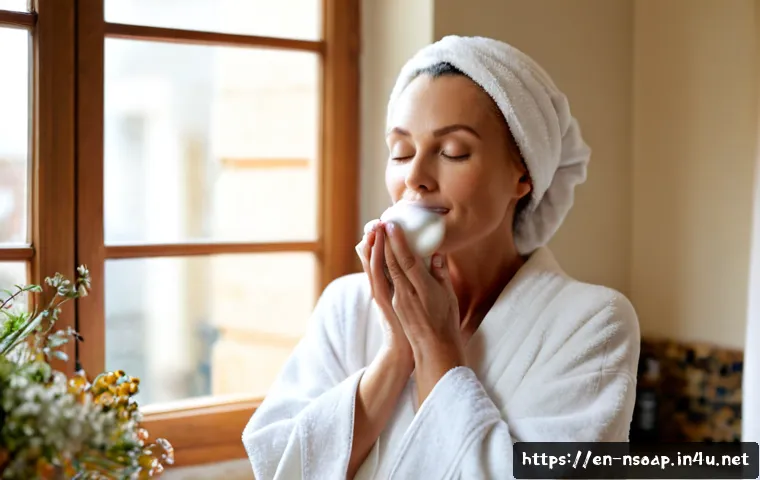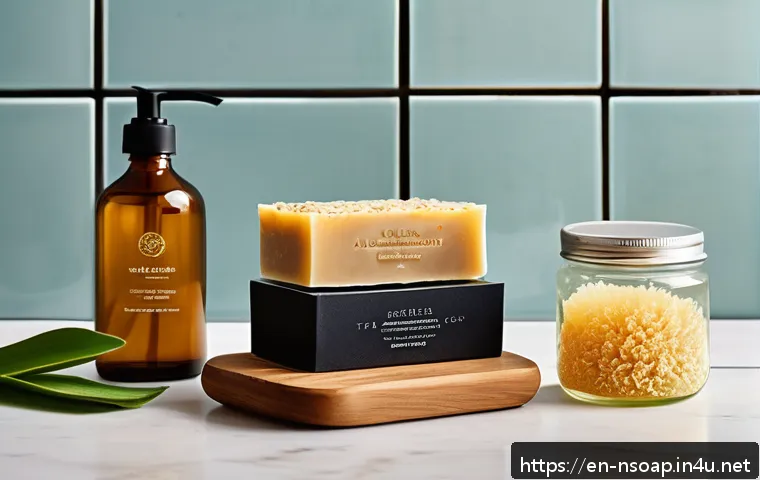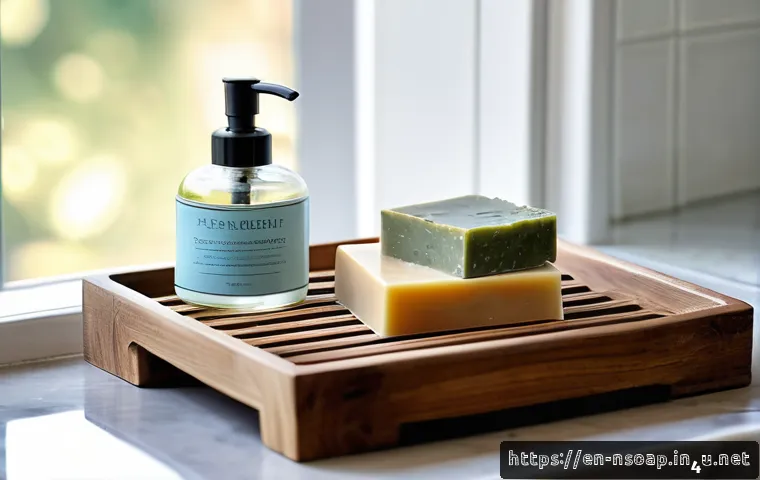
Lately, natural soaps have surged in popularity as more people seek gentle and eco-friendly skincare options. However, despite their wholesome image, using natural soap without proper precautions can sometimes lead to unexpected skin issues or health concerns.
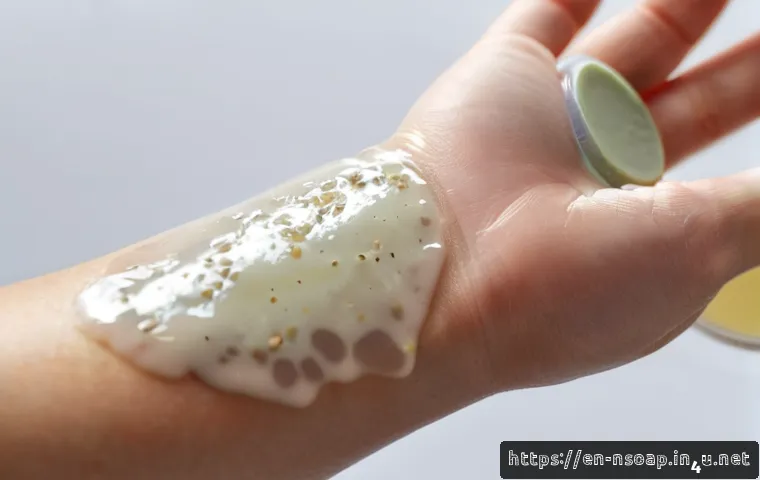
If you’re curious about how to enjoy the benefits of natural soap safely, you’re in the right place. I’ve personally navigated this journey and discovered key tips that make a real difference.
Let’s dive into essential precautions that protect your skin while embracing the natural goodness you love. Stick around—you’ll find insights that could transform your daily routine for the better.
Understanding Your Skin Type Before Switching to Natural Soap
Why Skin Type Matters More Than You Think
When I first made the switch to natural soap, I assumed it would be a one-size-fits-all solution. Turns out, the type of skin you have plays a huge role in how your skin reacts to natural ingredients.
For example, oily skin might benefit from certain clay-based soaps, while dry skin often needs extra moisturizing elements like shea butter or coconut oil.
Using the wrong type can lead to dryness, irritation, or even breakouts, which was a surprise for me after all the hype around natural products. Knowing your skin’s needs helps you pick a soap that complements rather than disrupts your natural balance.
How to Identify Your Skin Type Accurately
Many people rely on guesswork or old habits to determine their skin type, but a simple test can make all the difference. After washing your face with a gentle cleanser, wait an hour without applying any products.
Then, observe how your skin feels and looks. If it feels tight and flaky, you likely have dry skin. If it looks shiny, especially in the T-zone, you probably have oily skin.
Combination skin will show both characteristics. This simple step saved me from buying products that didn’t suit me and helped me focus on natural soaps tailored to my skin’s needs.
Adjusting Your Routine Based on Skin Sensitivity
Even within one skin type, sensitivity levels can vary dramatically. I learned the hard way that some natural ingredients, like essential oils or exfoliating botanicals, can trigger redness or itching if your skin is sensitive.
Starting slow by patch testing new soaps on a small skin area can prevent unpleasant surprises. Also, avoid switching products too frequently; give your skin time to adjust and heal.
This patience made a noticeable difference in how my skin responded to natural soaps over time.
Decoding Natural Soap Ingredients and Their Effects
Common Natural Ingredients and Their Benefits
Natural soaps often boast ingredients like olive oil, coconut oil, shea butter, and various essential oils. Olive oil is known for its moisturizing properties, while coconut oil provides a rich lather and antibacterial benefits.
Shea butter deeply nourishes dry skin, and essential oils add fragrance along with therapeutic effects. Understanding these ingredients helped me appreciate why some soaps felt gentle and hydrating, while others were more invigorating or cleansing.
It’s like having a mini chemistry lesson tailored to your skin’s wellness.
Potential Irritants Hidden in “Natural” Labels
Not all natural ingredients are created equal when it comes to skin tolerance. For instance, some essential oils like cinnamon or clove can be irritants if used in high concentrations.
I once picked a soap with a strong tea tree oil scent, expecting soothing effects, but ended up with a rash because the concentration was too high for my skin.
Fragrance additives, even if natural, can also cause reactions in sensitive individuals. Reading ingredient lists carefully and researching unfamiliar components can save you from unnecessary discomfort.
How to Choose Soaps That Align With Your Skin’s Needs
Choosing the right natural soap requires more than just a pretty label or scent. I learned to prioritize soaps with transparent ingredient lists and minimal additives.
Soaps with moisturizing oils and mild cleansers work best for daily use, while more exfoliating or medicated types are better reserved for occasional use.
Don’t hesitate to reach out to soap makers or sellers with questions about their formulas. This approach helped me feel confident in my choices and avoid skin issues caused by mismatched ingredients.
Safe Practices to Avoid Skin Reactions and Allergies
Patch Testing: Your First Line of Defense
Before fully integrating a new natural soap into my routine, I started doing patch tests on my inner arm or behind the ear. This small step can reveal allergic reactions like redness, itching, or swelling within 24 to 48 hours.
It’s a simple but powerful way to avoid full-face breakouts or discomfort. If any irritation occurs, it’s best to discontinue use immediately and consult a dermatologist if needed.
This practice became a non-negotiable part of my skincare routine.
Gradual Introduction to New Products
Rushing to replace all your current soaps with natural ones at once can shock your skin. Instead, I found it effective to introduce new soaps gradually, alternating with my regular cleanser.
This allows your skin to adapt and gives you time to notice any adverse reactions. For example, using natural soap every other day for a week before switching to daily use reduced the chance of dryness or irritation.
This slow transition was a game changer for my skin’s comfort and health.
Recognizing and Responding to Adverse Reactions
If you notice symptoms like persistent redness, itching, or burning after using a natural soap, it’s important to stop immediately. Sometimes, reactions can worsen if you continue use, leading to prolonged discomfort or even infections.
In my experience, moisturizing the affected area with a gentle, fragrance-free cream helped soothe irritation. If symptoms persist, seeking professional advice ensures proper treatment and prevents long-term damage.
Listening to your skin’s signals is key to safe and enjoyable natural soap use.
Storing Natural Soap to Maintain Its Quality and Safety
Why Proper Storage Matters
Natural soaps lack the synthetic preservatives found in commercial soaps, making them more vulnerable to moisture and contamination. I noticed that when I left my soap in a wet soap dish, it became soft and mushy quickly, which not only shortened its lifespan but also encouraged bacterial growth.
Keeping your soap dry between uses preserves its texture, fragrance, and effectiveness, ensuring you get the most out of your purchase.
Best Practices for Soap Storage
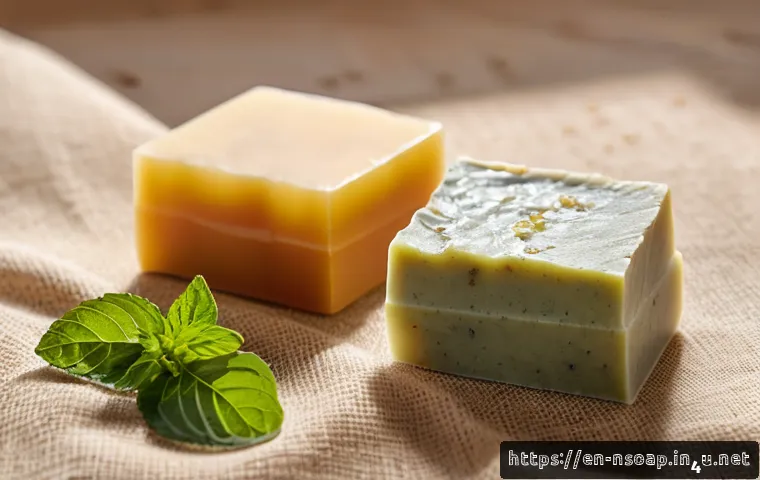
Using a well-draining soap dish or a soap saver made a huge difference for me. Placing the soap where air circulates freely helps it dry faster and prevents sogginess.
For travel or gym use, I recommend a ventilated container that allows excess moisture to escape. Storing soaps away from direct sunlight and heat also protects the natural oils and prevents them from going rancid.
These small steps extend the life of your soap and keep it safe for your skin.
How to Identify When Your Soap Has Gone Bad
Natural soap can spoil or lose its effectiveness over time. Signs of spoilage include an off smell, discoloration, or a slimy texture. I’ve found that using soap well within the recommended shelf life—usually six months to a year—avoids these issues.
If you notice any changes in your soap’s appearance or smell, it’s safer to discard it rather than risk skin irritation. Treat your soap like fresh skincare, and it will reward you with better results.
Balancing Natural Soap with Other Skincare Products
Complementing Natural Soap with Moisturizers
Natural soaps can sometimes leave skin feeling a bit tight, especially if you have dry or sensitive skin. Pairing your soap with a good moisturizer can make a world of difference.
I personally switched to using a lightweight, fragrance-free moisturizer right after washing, which helped lock in hydration and soothe any dryness. Choosing products with natural ingredients keeps your routine consistent and gentle, enhancing the overall benefits of your skincare.
Be Mindful of Exfoliants and Actives
If your natural soap contains exfoliating ingredients like oatmeal or ground nuts, be cautious when combining it with other exfoliating products or strong actives like retinol or acids.
Over-exfoliation can damage your skin barrier, leading to redness and sensitivity. I learned to space out these treatments and listen to my skin’s tolerance levels.
Moderation and attentive layering of products ensure your skin stays healthy and balanced.
Adjusting Your Routine Seasonally
Your skin’s needs can change with the seasons, and so should your soap and skincare choices. During colder months, I swapped to richer natural soaps with extra moisturizing oils to combat dryness.
In warmer months, lighter soaps with refreshing ingredients helped control oiliness and sweat. Paying attention to these changes keeps your skin comfortable year-round and makes natural soap use more effective and enjoyable.
Evaluating the Environmental Impact and Ethical Considerations
Why Eco-Friendly Packaging Matters
One reason I was drawn to natural soaps is their smaller environmental footprint, but packaging can sometimes undermine that. Many natural soaps come wrapped in biodegradable paper or reusable containers, which I appreciate because it reduces plastic waste.
Choosing brands that prioritize sustainable packaging aligns with the eco-conscious mindset and adds an extra layer of satisfaction to your purchase.
Supporting Ethical and Transparent Brands
I’ve found it rewarding to support soap makers who are transparent about sourcing and production methods. Brands that use fair trade ingredients, avoid animal testing, and support local communities add genuine value beyond just the soap itself.
Doing a little research or reading customer reviews helped me identify trustworthy companies, making me feel good about where my money goes.
Understanding Biodegradability and Water Impact
Natural soaps generally break down more easily in water systems than synthetic detergents, which is a major environmental plus. However, not all natural soaps are created equal—some contain additives that can still impact aquatic life.
Checking product claims and certifications helped me choose soaps that truly minimize environmental harm. Being mindful of these factors turns a simple skincare choice into a meaningful contribution to the planet.
| Aspect | Key Points | Personal Tips |
|---|---|---|
| Skin Type Compatibility | Match soap ingredients to oily, dry, combination, or sensitive skin | Test on small areas before full use; adjust based on seasonal changes |
| Ingredient Awareness | Know benefits and irritants in natural oils and essential oils | Research ingredients; avoid strong essential oils if sensitive |
| Storage | Keep soap dry, avoid heat and moisture buildup | Use draining soap dishes; discard if texture or smell changes |
| Product Integration | Combine with moisturizers and be cautious with exfoliants | Introduce new products gradually; monitor skin’s response |
| Environmental Impact | Choose biodegradable packaging and ethical brands | Support transparent companies; check for eco-certifications |
In Conclusion
Switching to natural soap can be a wonderful step towards healthier skin and a greener lifestyle, but understanding your unique skin type and the ingredients involved is essential. Taking the time to test, observe, and adjust your routine ensures you get the best results without irritation. With mindful choices and proper care, natural soaps can truly enhance your skincare experience.
Useful Information to Keep in Mind
1. Always identify your skin type before selecting a natural soap to avoid unwanted reactions and maximize benefits.
2. Perform a patch test on a small area before fully incorporating any new soap into your routine.
3. Store your natural soap in a dry, well-ventilated place to prolong its lifespan and maintain its quality.
4. Pair natural soaps with suitable moisturizers and be cautious when combining with exfoliating products to protect your skin barrier.
5. Support brands that prioritize ethical sourcing, eco-friendly packaging, and transparency to make environmentally responsible choices.
Key Takeaways
Understanding your skin’s specific needs and sensitivities is critical when choosing and using natural soaps. Gradual introduction and patch testing help prevent adverse reactions. Proper storage is vital to maintain soap quality and safety. Complement your soap with compatible skincare products, and adjust your routine with seasonal changes. Lastly, consider the environmental and ethical impact of the brands you support for a truly mindful skincare approach.
Frequently Asked Questions (FAQ) 📖
Q: Can natural soaps cause skin irritation even though they are made from gentle ingredients?
A: Yes, natural soaps can still cause irritation for some people. Even though they often contain plant-based and mild ingredients, factors like essential oils, fragrances, or certain herbs might trigger allergic reactions or sensitivity.
From my experience, it’s crucial to patch test a new natural soap on a small skin area before fully switching to it. This helps catch any adverse reactions early and prevents uncomfortable skin issues down the line.
Q: How should I store natural soap to maintain its quality and avoid contamination?
A: Proper storage is key to extending the life of natural soap and keeping it safe for your skin. Unlike commercial soaps with preservatives, natural soaps can absorb moisture and harbor bacteria if left in a damp environment.
I personally use a well-draining soap dish that allows air circulation and avoid leaving the soap in standing water. Also, keeping the soap away from direct sunlight and heat helps preserve its natural oils and fragrance.
Q: Is it necessary to switch completely to natural soap, or can I use it alongside conventional products?
A: It’s not mandatory to switch entirely to natural soap to enjoy its benefits. Many people, including myself, find a balanced approach works best—using natural soap for face and body cleansing while occasionally incorporating conventional products where needed.
This way, you can enjoy the gentleness and eco-friendliness of natural soap without risking irritation from sudden changes. Just listen to your skin and adjust based on how it responds.