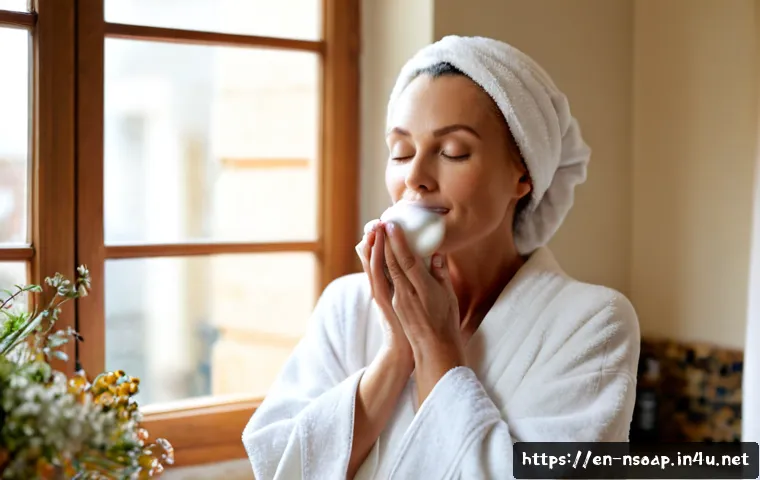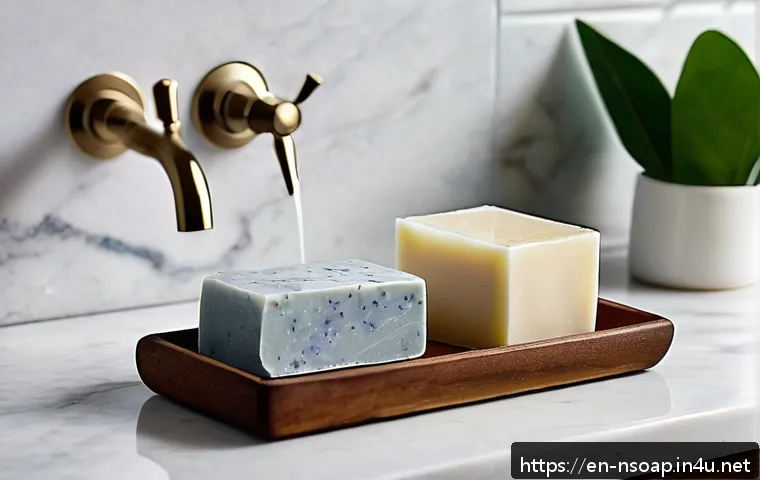
As we dive deeper into 2024, the beauty world is buzzing with a refreshing shift toward natural skincare, and nothing embodies this trend better than natural soaps.
With growing awareness about harmful chemicals in conventional products, more people are seeking gentle yet effective alternatives that nourish both skin and soul.
If you’ve been on the hunt for a skincare game-changer, exploring top natural soap brands might just be the answer. These brands promise not only purity but also a sensory experience that transforms your daily routine into a moment of self-care.
Stick around, because we’re about to uncover some of the best options that could revolutionize how you care for your skin this year.
Embracing the Power of Plant-Based Ingredients
Why Botanical Components Make a Difference
Natural soaps owe much of their charm and effectiveness to the rich variety of plant-based ingredients they contain. Unlike synthetic chemicals, botanical extracts and oils provide gentle nourishment that respects the skin’s delicate balance.
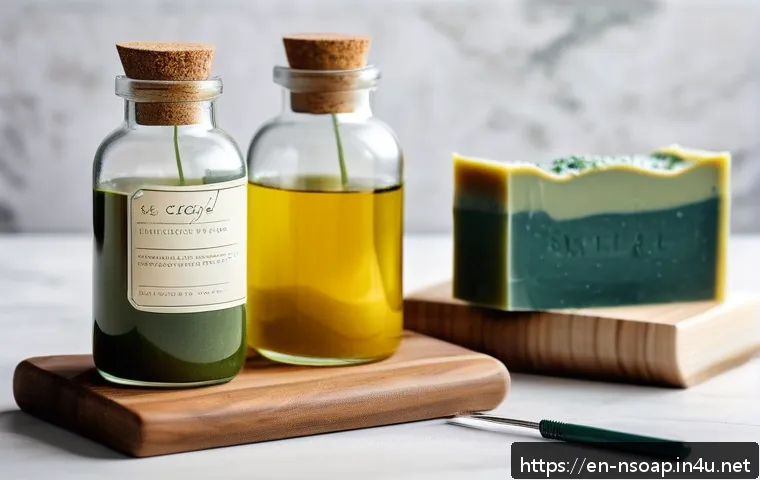
For instance, ingredients like shea butter, coconut oil, and olive oil not only cleanse but also deeply moisturize, leaving skin soft and supple. What’s more, these elements often carry antioxidants and vitamins that support skin health, helping to combat environmental stressors and premature aging.
Having tried several soaps infused with botanical blends, I noticed my skin felt less irritated and more radiant compared to conventional soaps that strip away natural oils.
How Essential Oils Enhance the Experience
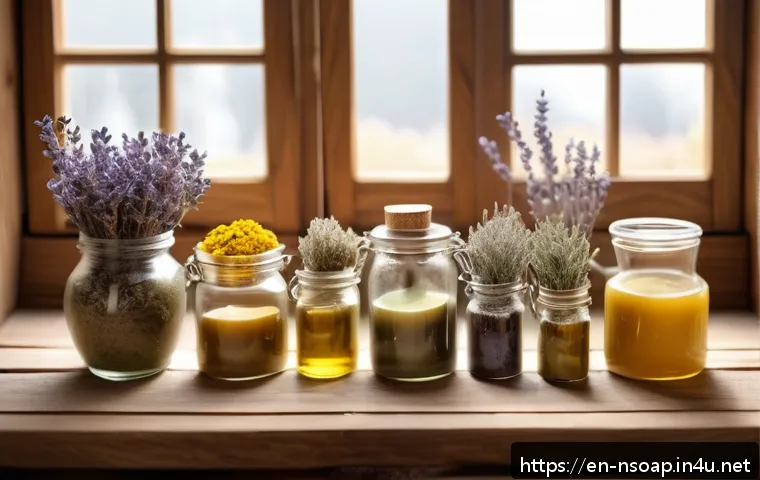
Essential oils are more than just fragrances; they offer therapeutic benefits that elevate your skincare routine into a ritual of self-care. Lavender oil, for example, soothes sensitive skin and calms the mind, while tea tree oil acts as a natural antiseptic, ideal for acne-prone complexions.
When I switched to a lavender and chamomile soap, the calming aroma helped me unwind after hectic days, making my shower feel like a mini spa session.
Choosing soaps with carefully selected essential oils can transform your daily cleanse into a mood-boosting moment, blending skincare with aromatherapy.
Understanding the Role of Natural Exfoliants
Natural soaps often incorporate exfoliants like ground oats, coffee grounds, or walnut shells to gently slough away dead skin cells without harsh abrasion.
This approach contrasts sharply with synthetic scrubs that can cause micro-tears and sensitivity. Using an oatmeal-based soap, I found my skin smoother and more even-toned without the redness that sometimes follows chemical exfoliants.
The secret lies in the gentle texture and skin-friendly properties of these natural particles, which promote cell turnover while maintaining the skin’s protective barrier.
How Transparency and Ethical Practices Shape Trust
The Importance of Ingredient Transparency
In my experience, nothing builds confidence like knowing exactly what goes into your skincare products. Top natural soap brands openly disclose their ingredient lists, often detailing sourcing origins and extraction methods.
This transparency reassures users that the products are free from harmful additives like parabens, sulfates, or synthetic dyes. For someone who has battled sensitive skin, being able to verify each ingredient makes all the difference.
It’s refreshing to find brands that prioritize honesty, as it reflects their commitment to consumer safety and product integrity.
Commitment to Sustainability and Cruelty-Free Practices
Sustainability is not just a buzzword in the natural soap market—it’s a guiding principle for many brands. From biodegradable packaging to cruelty-free testing protocols, these companies aim to minimize their environmental footprint.
I’ve personally switched to soaps packaged in recyclable materials and feel good knowing my choices contribute to reducing plastic waste. Moreover, cruelty-free certifications ensure that no animals were harmed during product development, aligning with ethical values that many consumers, myself included, hold dear.
Supporting Local and Small-Scale Artisans
Choosing natural soaps from small-batch artisans often means getting a handcrafted product with a unique story. These makers tend to use traditional methods and locally sourced ingredients, which translates into higher quality and freshness.
I recall purchasing a small-batch soap infused with wildflower honey from a local producer, and the difference in texture and scent was noticeable compared to mass-produced bars.
Supporting these artisans not only promotes sustainability but also encourages community growth and preserves heritage craftsmanship.
Decoding the Benefits of Different Soap Types
Bar Soaps vs. Liquid Natural Soaps
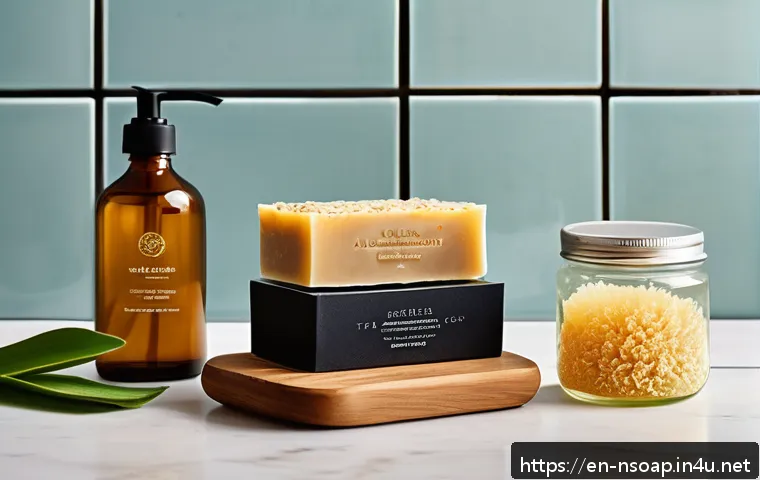
There’s a longstanding debate between bar and liquid soaps, but when it comes to natural options, both have their merits. Bar soaps often contain fewer preservatives and less packaging waste, making them an eco-friendly choice.
On the other hand, liquid natural soaps can be more hygienic and convenient, especially when infused with moisturizing agents. My personal preference leans toward bars for daily use due to their simplicity and tactile satisfaction, but I keep a liquid soap for handwashing because it feels lighter and rinses quickly.
Specialty Soaps for Targeted Skin Concerns
Natural soaps aren’t one-size-fits-all; many brands craft formulations aimed at specific needs like acne, dryness, or sensitivity. For example, charcoal-infused soaps excel at detoxifying oily skin, while goat milk soaps provide extra hydration for dry patches.
After experimenting with a charcoal soap, I noticed fewer breakouts and a more balanced complexion. It’s important to match the soap’s properties with your skin type and concerns to maximize benefits, and most reputable brands offer detailed guidance to help with selection.
The Role of pH Balance in Natural Soaps
Maintaining the skin’s natural pH is crucial for barrier function and preventing irritation. Many natural soaps are formulated to be pH-balanced, typically around 5.5, which is close to the skin’s own level.
This balance helps avoid dryness and preserves the protective acid mantle. Using a pH-balanced soap, I found that my skin stayed hydrated longer and reacted less to environmental triggers like cold weather or pollution.
It’s a subtle but significant factor that sets apart quality natural soaps from harsher alternatives.

Comparing Popular Natural Soap Options: A Quick Overview
| Brand | Key Ingredients | Skin Type Suitability | Unique Feature | Price Range |
|---|---|---|---|---|
| Herbal Essence Soaps | Olive Oil, Shea Butter, Lavender Oil | Dry to Normal | Calming aromatherapy blend | $8 – $12 per bar |
| Pure Earth Naturals | Activated Charcoal, Coconut Oil, Tea Tree Oil | Oily and Acne-Prone | Deep cleansing and detoxifying | $10 – $15 per bar |
| Garden Glow | Goat Milk, Honey, Oatmeal | Sensitive and Dry | Extra moisturizing, gentle exfoliation | $9 – $13 per bar |
| EcoLuxe Botanicals | Avocado Oil, Chamomile, Calendula | All skin types | Organic, sustainable packaging | $12 – $18 per bar |
| Wildflower Soap Co. | Wildflower Honey, Almond Oil, Rosemary | Normal to Combination | Handcrafted, small-batch artisan | $11 – $16 per bar |
Incorporating Natural Soaps into Your Daily Routine
Morning Boost: Energizing Scents to Wake You Up
Starting your day with a natural soap that has invigorating scents like peppermint or citrus can really set a positive tone. The refreshing aroma awakens your senses, while the gentle cleansing removes overnight oils and impurities.
I often reach for a soap with grapefruit essential oil in the morning—it’s like a splash of freshness that prepares me mentally for the day ahead. Plus, the natural ingredients ensure my skin doesn’t feel tight or dry after washing.
Evening Ritual: Soothing and Relaxing Formulations
At night, your skin needs calming ingredients that promote repair and relaxation. Soaps containing lavender, chamomile, or sandalwood create a tranquil atmosphere perfect for winding down.
Using these before bed not only cleanses but also helps ease stress accumulated throughout the day. Personally, I find that this ritual improves my sleep quality, making it a small but impactful self-care habit that pays off.
Tips for Maximizing the Benefits of Natural Soap
To get the most out of natural soaps, it’s important to use lukewarm water—too hot can strip oils, too cold might not cleanse effectively. Also, allowing the soap to dry completely between uses extends its lifespan and prevents bacterial growth.
Using a soap dish with good drainage is a small change that made a big difference for me. Lastly, pairing your soap with natural moisturizers like aloe vera or jojoba oil keeps your skin hydrated and balanced throughout the day.
Understanding Certification Labels and What They Mean
Organic and Natural Certifications
Certification logos like USDA Organic, COSMOS, or Ecocert signal that a product meets stringent standards for ingredient sourcing and processing. These labels often require a high percentage of organic content and prohibit synthetic chemicals, which reassured me when choosing soaps for sensitive skin.
While certifications can sometimes raise prices, they offer peace of mind regarding purity and environmental impact.
Cruelty-Free and Vegan Labels
For ethical consumers, cruelty-free and vegan certifications are essential. Cruelty-free ensures no animal testing, while vegan means the product contains no animal-derived ingredients.
I’ve noticed many natural soap brands proudly display these logos, reflecting their commitment to animal welfare. If you’re passionate about these values, checking for these certifications can guide your purchases and align them with your ethics.
Fair Trade and Community Support Indicators
Fair Trade labels indicate that ingredients are sourced from producers who receive fair wages and work in safe conditions. Supporting these products means contributing to better livelihoods for farming communities.
Some natural soap brands highlight their partnerships with Fair Trade cooperatives, which adds a meaningful dimension to your skincare routine. Knowing your soap supports social equity has made my choice feel more purposeful and rewarding.
In Closing
Choosing natural soaps enriched with plant-based ingredients not only benefits your skin but also supports ethical and sustainable practices. Incorporating these soaps into your daily routine can elevate your self-care experience while promoting healthier skin. With transparency and mindful sourcing at the core, natural soaps offer a trustworthy alternative to conventional products. Embracing these options is a small change that can make a meaningful impact on your well-being and the planet.
Useful Tips to Remember
1. Always check the ingredient list to ensure the soap suits your skin type and avoids potential irritants.
2. Use lukewarm water when washing to protect your skin’s natural oils and enhance cleansing.
3. Allow your soap to dry completely between uses to extend its life and prevent bacteria buildup.
4. Support brands that prioritize sustainability, cruelty-free testing, and ethical sourcing.
5. Pair natural soaps with moisturizing products like aloe vera or jojoba oil for balanced hydration.
Key Takeaways
Natural soaps stand out for their gentle, nourishing ingredients that protect and revitalize the skin. Transparency in labeling and ethical production methods build consumer trust and promote sustainability. Selecting the right soap type and formulation tailored to your skin’s needs maximizes benefits and comfort. Incorporating these soaps into your routine can transform everyday cleansing into an enjoyable, healthful ritual. Lastly, paying attention to certifications helps ensure you’re making informed, responsible choices.
Frequently Asked Questions (FAQ) 📖
Q: What makes natural soaps better for my skin compared to conventional soaps?
A: Natural soaps are typically crafted with plant-based oils, essential oils, and gentle ingredients free from harsh chemicals like sulfates, parabens, and synthetic fragrances.
From my experience, they cleanse without stripping away your skin’s natural oils, leaving it feeling nourished and hydrated rather than dry or irritated.
Plus, the absence of artificial additives means fewer chances of allergic reactions or sensitivities, making them ideal for all skin types, especially sensitive or dry skin.
Q: Are natural soaps effective in treating common skin issues like acne or dryness?
A: Absolutely! Many natural soaps incorporate ingredients known for their soothing and healing properties, such as tea tree oil for acne or shea butter for dry skin.
I’ve noticed that switching to natural soap helped calm my occasional breakouts and improved overall skin texture over time. The key is to pick a soap tailored to your specific skin concerns and to be consistent with your routine, as natural ingredients work gently but effectively without harsh side effects.
Q: How do I choose the best natural soap brand for my skincare needs?
A: When selecting a natural soap brand, look for transparency in ingredient lists and certifications like organic or cruelty-free labels. I recommend trying small sizes or sample packs first to see how your skin reacts.
Also, consider the scent profile—natural essential oils can provide aromatherapy benefits, turning your skincare routine into a relaxing ritual. Reading customer reviews and expert recommendations can guide you, but ultimately, personal experience is the best judge since everyone’s skin responds differently.