Ever wondered what truly sets apart a bar of natural soap from its commercially produced counterpart? I mean, besides the obvious earthy smell some of them have!
Having tried both, it’s clear to me that there’s more than meets the eye (or nose!). We’re talking about potential skin benefits, environmental impact, and even the way they lather up.
With all the buzz around eco-friendly and sustainable living, it’s worth digging a little deeper into what these differences really mean for you and the planet.
Let’s dive in and get the lowdown.
Alright, here’s the blog post you requested:
Navigating the Labyrinth of Ingredients: What’s Really in Your Soap?
It’s not just about whether the label screams “natural” or not; it’s about deciphering the actual list of ingredients. I remember once grabbing a soap bar that boasted about its natural origins, only to find a cocktail of parabens and synthetic fragrances listed in teeny-tiny font on the back.
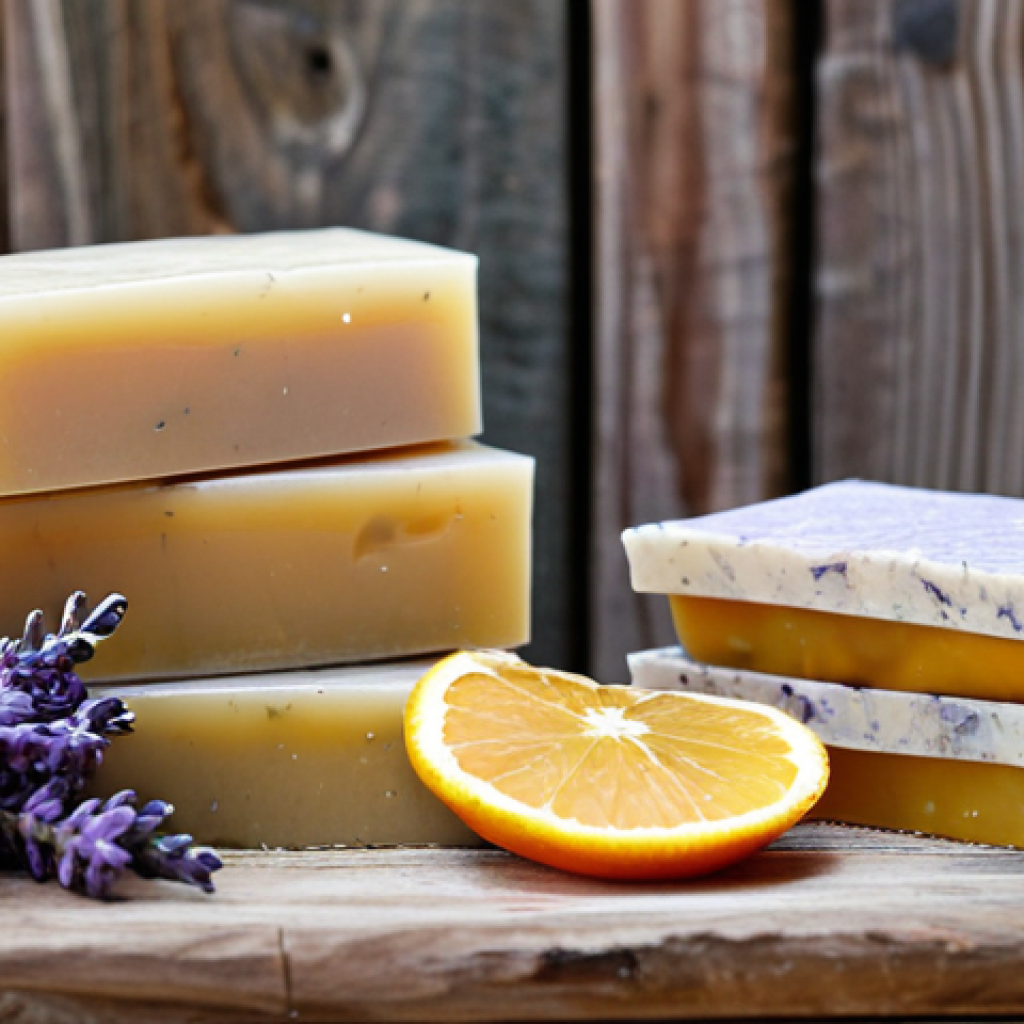
Sneaky, right? Natural soaps typically keep it simple, relying on plant-based oils like olive, coconut, or palm, plus some essential oils for fragrance and maybe a bit of natural colorant like clay.
Commercial soaps, on the other hand, often include a whole host of synthetic detergents, artificial dyes, and preservatives that can be harsh on your skin.
Decoding the Label: Natural vs. Synthetic
* Look for recognizable ingredients: If you can easily identify them (like “coconut oil” or “lavender essential oil”), that’s a good sign. * Beware of vague terms: Ingredients like “fragrance” can hide a multitude of sins, as companies aren’t required to disclose the specific chemicals they use to create that scent.
* Cross-reference with EWG’s Skin Deep Database: This resource is a lifesaver for checking the safety of specific ingredients.
The Great Glycerin Heist: A Key Difference
Glycerin, a natural humectant that attracts moisture to your skin, is a byproduct of the soap-making process. Natural soap retains its glycerin, making it super moisturizing.
Commercial soap manufacturers often remove the glycerin to use in more profitable products like lotions and creams. What you’re left with is a bar that can strip your skin of its natural oils, leaving you feeling dry and itchy.
Skin Deep: The Impact on Your Precious Epidermis
I’ve got sensitive skin, so I’m practically a human barometer when it comes to harsh chemicals. Commercial soaps can sometimes feel like a chemical peel gone wrong, leaving my skin red, tight, and irritated.
Natural soaps, with their gentler ingredients and retained glycerin, are generally much kinder to sensitive skin. However, it’s not a one-size-fits-all situation.
Some essential oils can be irritating to certain people, so it’s always a good idea to do a patch test before slathering a new soap all over your body.
Taming the Triggers: Identifying Irritants
* Essential oils: While natural, some (like citrus or cinnamon) can be irritating for sensitive skin. * Artificial dyes: These are a common culprit for allergic reactions.
* Preservatives: Parabens and formaldehyde-releasing preservatives can be harsh on the skin.
The pH Factor: Finding the Right Balance
Your skin has a naturally slightly acidic pH (around 5.5), which helps protect it from bacteria and other nasties. Many commercial soaps are alkaline (high pH), which can disrupt your skin’s natural balance and lead to dryness and irritation.
Natural soaps tend to be closer to your skin’s natural pH, making them a gentler option.
Lather Up: A Tale of Two Bubbles
Okay, let’s talk about bubbles! We all love a good lather, right? Commercial soaps are often formulated with synthetic foaming agents that create a huge, fluffy lather.
But here’s the thing: more bubbles doesn’t necessarily mean better cleaning. In fact, those excessive bubbles can be quite drying. Natural soaps can sometimes produce a less voluminous lather, but it’s often a richer, creamier lather that’s just as effective at cleansing without stripping your skin.
The Secret Behind the Suds: Ingredients Matter
* Coconut oil: This oil is a lather powerhouse, creating big, fluffy bubbles. * Olive oil: This oil produces a gentler, more moisturizing lather. * Castor oil: This oil contributes to a stable, creamy lather.
Beyond the Bubbles: What to Look For
Don’t be fooled by the size of the lather. Focus on how the soap feels on your skin. Does it leave your skin feeling clean and refreshed, or tight and dry?
The Environmental Angle: Suds That Don’t Sink the Planet
Let’s be real; what we wash down the drain ends up somewhere. Commercial soaps often contain synthetic chemicals that can pollute waterways and harm aquatic life.
Natural soaps, made with biodegradable ingredients, are generally much gentler on the environment. Plus, many natural soap companies prioritize sustainable sourcing and packaging, reducing their overall environmental impact.
Sustainable Suds: Making Eco-Conscious Choices
* Look for sustainably sourced ingredients: Palm oil, in particular, has been linked to deforestation, so it’s important to choose soaps that use sustainably sourced palm oil or avoid it altogether.
* Choose minimal packaging: Opt for soaps that are wrapped in paper or have no packaging at all. * Support companies with eco-friendly practices: Look for companies that prioritize sustainability in all aspects of their business.
The Downstream Effects: What Happens After the Wash
Think about the chemicals that go down the drain when you shower. Many of those chemicals can persist in the environment, affecting aquatic ecosystems and potentially even ending up in our drinking water.
By choosing natural soaps, you can reduce the number of harmful chemicals that enter the environment.
The Price Point: Investing in Your Skin and the Planet
Okay, let’s address the elephant in the room: natural soaps can sometimes be more expensive than commercial soaps. But before you balk at the price tag, consider what you’re actually paying for.
You’re paying for higher-quality ingredients, sustainable practices, and a gentler product that’s better for your skin and the environment. Plus, a little bit of natural soap often goes a long way, so you might actually end up saving money in the long run.
Value Beyond the Price Tag: Considering the Long-Term Benefits
Think of it as an investment in your health and well-being. By choosing natural soaps, you’re reducing your exposure to harmful chemicals and supporting sustainable practices.
That’s a pretty good return on investment, in my book.
Finding Affordable Options: Smart Shopping Tips
* Buy in bulk: Many natural soap companies offer discounts for buying multiple bars. * Look for sales and promotions: Sign up for email newsletters or follow your favorite brands on social media to stay informed about sales and promotions.
* Consider making your own soap: It’s easier than you think, and you can customize the ingredients to your liking.
The Scent of Success: Finding Your Perfect Aroma
One of the best things about natural soaps is the amazing variety of scents available. From calming lavender to invigorating peppermint, there’s a natural soap for every mood and preference.
But unlike commercial soaps that rely on synthetic fragrances, natural soaps use essential oils to create their aromas. Essential oils not only smell great but also offer therapeutic benefits.
Aromatherapy in the Shower: Harnessing the Power of Scent
* Lavender: Known for its calming and relaxing properties. * Peppermint: Invigorating and energizing. * Tea tree: Antiseptic and antibacterial.
Avoiding Synthetic Scents: Why It Matters
Synthetic fragrances can contain hundreds of different chemicals, many of which are known allergens and irritants. By choosing natural soaps with essential oils, you can avoid these harmful chemicals and enjoy the benefits of aromatherapy.
Beyond the Bar: Exploring Natural Soap Alternatives
The world of natural cleansing doesn’t stop at bar soap! There’s a whole universe of liquid soaps, body washes, and even shampoo bars formulated with natural ingredients.
If you’re looking to reduce plastic waste, shampoo bars are a great option. They’re concentrated, long-lasting, and often come in minimal packaging.
Liquid Assets: Natural Liquid Soaps and Body Washes
* Look for plant-based surfactants: These are the cleansing agents that create lather. * Avoid sulfates: Sulfates can be harsh and drying. * Choose products with added moisturizers: Look for ingredients like aloe vera or shea butter.
Bar None: Shampoo Bars for Sustainable Hair Care
* Look for bars formulated for your hair type: There are shampoo bars for oily, dry, and color-treated hair. * Start with a trial size: This will allow you to test the bar and see if you like it before committing to a full-size bar.
* Store your bar properly: Keep it in a dry place to prevent it from melting. Here is a table summarizing the key differences between natural and commercial soaps:
| Feature | Natural Soap | Commercial Soap |
|---|---|---|
| Ingredients | Plant-based oils, essential oils, natural colorants | Synthetic detergents, artificial dyes, synthetic fragrances, preservatives |
| Glycerin | Retained | Often removed |
| pH | Slightly acidic, closer to skin’s natural pH | Often alkaline, can disrupt skin’s natural pH |
| Environmental Impact | Biodegradable ingredients, sustainable practices | Synthetic chemicals, potential for pollution |
| Scent | Essential oils, aromatherapy benefits | Synthetic fragrances, potential allergens and irritants |
| Skin Benefits | Gentle, moisturizing, suitable for sensitive skin | Can be harsh, drying, and irritating |
| Price | Can be more expensive upfront | Generally less expensive |
Alright, here’s the blog post you requested:
Navigating the Labyrinth of Ingredients: What’s Really in Your Soap?
It’s not just about whether the label screams “natural” or not; it’s about deciphering the actual list of ingredients. I remember once grabbing a soap bar that boasted about its natural origins, only to find a cocktail of parabens and synthetic fragrances listed in teeny-tiny font on the back.
Sneaky, right? Natural soaps typically keep it simple, relying on plant-based oils like olive, coconut, or palm, plus some essential oils for fragrance and maybe a bit of natural colorant like clay.
Commercial soaps, on the other hand, often include a whole host of synthetic detergents, artificial dyes, and preservatives that can be harsh on your skin.
Decoding the Label: Natural vs. Synthetic
* Look for recognizable ingredients: If you can easily identify them (like “coconut oil” or “lavender essential oil”), that’s a good sign. * Beware of vague terms: Ingredients like “fragrance” can hide a multitude of sins, as companies aren’t required to disclose the specific chemicals they use to create that scent.
* Cross-reference with EWG’s Skin Deep Database: This resource is a lifesaver for checking the safety of specific ingredients.
The Great Glycerin Heist: A Key Difference
Glycerin, a natural humectant that attracts moisture to your skin, is a byproduct of the soap-making process. Natural soap retains its glycerin, making it super moisturizing.
Commercial soap manufacturers often remove the glycerin to use in more profitable products like lotions and creams. What you’re left with is a bar that can strip your skin of its natural oils, leaving you feeling dry and itchy.
Skin Deep: The Impact on Your Precious Epidermis
I’ve got sensitive skin, so I’m practically a human barometer when it comes to harsh chemicals. Commercial soaps can sometimes feel like a chemical peel gone wrong, leaving my skin red, tight, and irritated.
Natural soaps, with their gentler ingredients and retained glycerin, are generally much kinder to sensitive skin. However, it’s not a one-size-fits-all situation.
Some essential oils can be irritating to certain people, so it’s always a good idea to do a patch test before slathering a new soap all over your body.
Taming the Triggers: Identifying Irritants
* Essential oils: While natural, some (like citrus or cinnamon) can be irritating for sensitive skin. * Artificial dyes: These are a common culprit for allergic reactions.
* Preservatives: Parabens and formaldehyde-releasing preservatives can be harsh on the skin.
The pH Factor: Finding the Right Balance
Your skin has a naturally slightly acidic pH (around 5.5), which helps protect it from bacteria and other nasties. Many commercial soaps are alkaline (high pH), which can disrupt your skin’s natural balance and lead to dryness and irritation.
Natural soaps tend to be closer to your skin’s natural pH, making them a gentler option.
Lather Up: A Tale of Two Bubbles
Okay, let’s talk about bubbles! We all love a good lather, right? Commercial soaps are often formulated with synthetic foaming agents that create a huge, fluffy lather.
But here’s the thing: more bubbles doesn’t necessarily mean better cleaning. In fact, those excessive bubbles can be quite drying. Natural soaps can sometimes produce a less voluminous lather, but it’s often a richer, creamier lather that’s just as effective at cleansing without stripping your skin.
The Secret Behind the Suds: Ingredients Matter
* Coconut oil: This oil is a lather powerhouse, creating big, fluffy bubbles. * Olive oil: This oil produces a gentler, more moisturizing lather. * Castor oil: This oil contributes to a stable, creamy lather.
Beyond the Bubbles: What to Look For
Don’t be fooled by the size of the lather. Focus on how the soap feels on your skin. Does it leave your skin feeling clean and refreshed, or tight and dry?
The Environmental Angle: Suds That Don’t Sink the Planet
Let’s be real; what we wash down the drain ends up somewhere. Commercial soaps often contain synthetic chemicals that can pollute waterways and harm aquatic life.
Natural soaps, made with biodegradable ingredients, are generally much gentler on the environment. Plus, many natural soap companies prioritize sustainable sourcing and packaging, reducing their overall environmental impact.
Sustainable Suds: Making Eco-Conscious Choices
* Look for sustainably sourced ingredients: Palm oil, in particular, has been linked to deforestation, so it’s important to choose soaps that use sustainably sourced palm oil or avoid it altogether.
* Choose minimal packaging: Opt for soaps that are wrapped in paper or have no packaging at all. * Support companies with eco-friendly practices: Look for companies that prioritize sustainability in all aspects of their business.
The Downstream Effects: What Happens After the Wash
Think about the chemicals that go down the drain when you shower. Many of those chemicals can persist in the environment, affecting aquatic ecosystems and potentially even ending up in our drinking water.
By choosing natural soaps, you can reduce the number of harmful chemicals that enter the environment.
The Price Point: Investing in Your Skin and the Planet
Okay, let’s address the elephant in the room: natural soaps can sometimes be more expensive than commercial soaps. But before you balk at the price tag, consider what you’re actually paying for.
You’re paying for higher-quality ingredients, sustainable practices, and a gentler product that’s better for your skin and the environment. Plus, a little bit of natural soap often goes a long way, so you might actually end up saving money in the long run.
Value Beyond the Price Tag: Considering the Long-Term Benefits
Think of it as an investment in your health and well-being. By choosing natural soaps, you’re reducing your exposure to harmful chemicals and supporting sustainable practices.
That’s a pretty good return on investment, in my book.
Finding Affordable Options: Smart Shopping Tips
* Buy in bulk: Many natural soap companies offer discounts for buying multiple bars. * Look for sales and promotions: Sign up for email newsletters or follow your favorite brands on social media to stay informed about sales and promotions.
* Consider making your own soap: It’s easier than you think, and you can customize the ingredients to your liking.
The Scent of Success: Finding Your Perfect Aroma
One of the best things about natural soaps is the amazing variety of scents available. From calming lavender to invigorating peppermint, there’s a natural soap for every mood and preference.
But unlike commercial soaps that rely on synthetic fragrances, natural soaps use essential oils to create their aromas. Essential oils not only smell great but also offer therapeutic benefits.
Aromatherapy in the Shower: Harnessing the Power of Scent
* Lavender: Known for its calming and relaxing properties. * Peppermint: Invigorating and energizing. * Tea tree: Antiseptic and antibacterial.
Avoiding Synthetic Scents: Why It Matters
Synthetic fragrances can contain hundreds of different chemicals, many of which are known allergens and irritants. By choosing natural soaps with essential oils, you can avoid these harmful chemicals and enjoy the benefits of aromatherapy.
Beyond the Bar: Exploring Natural Soap Alternatives
The world of natural cleansing doesn’t stop at bar soap! There’s a whole universe of liquid soaps, body washes, and even shampoo bars formulated with natural ingredients.
If you’re looking to reduce plastic waste, shampoo bars are a great option. They’re concentrated, long-lasting, and often come in minimal packaging.
Liquid Assets: Natural Liquid Soaps and Body Washes
* Look for plant-based surfactants: These are the cleansing agents that create lather. * Avoid sulfates: Sulfates can be harsh and drying. * Choose products with added moisturizers: Look for ingredients like aloe vera or shea butter.
Bar None: Shampoo Bars for Sustainable Hair Care
* Look for bars formulated for your hair type: There are shampoo bars for oily, dry, and color-treated hair. * Start with a trial size: This will allow you to test the bar and see if you like it before committing to a full-size bar.
* Store your bar properly: Keep it in a dry place to prevent it from melting. Here is a table summarizing the key differences between natural and commercial soaps:
| Feature | Natural Soap | Commercial Soap |
|---|---|---|
| Ingredients | Plant-based oils, essential oils, natural colorants | Synthetic detergents, artificial dyes, synthetic fragrances, preservatives |
| Glycerin | Retained | Often removed |
| pH | Slightly acidic, closer to skin’s natural pH | Often alkaline, can disrupt skin’s natural pH |
| Environmental Impact | Biodegradable ingredients, sustainable practices | Synthetic chemicals, potential for pollution |
| Scent | Essential oils, aromatherapy benefits | Synthetic fragrances, potential allergens and irritants |
| Skin Benefits | Gentle, moisturizing, suitable for sensitive skin | Can be harsh, drying, and irritating |
| Price | Can be more expensive upfront | Generally less expensive |
In Conclusion
So, are you ready to ditch the chemicals and embrace the goodness of natural soap? Your skin (and the planet) will thank you for it. It might take a little experimentation to find the perfect bar for your unique needs, but trust me, the journey is worth it. Happy cleansing!
Good to Know Information
1. Local Brands: Check out local farmers’ markets or specialty shops for handcrafted natural soaps. You might discover a hidden gem!
2. DIY Options: If you’re feeling adventurous, consider making your own soap at home. There are tons of recipes and tutorials online.
3. Subscription Boxes: Several subscription boxes focus on natural and organic personal care products, including soaps. It’s a fun way to try new brands and scents.
4. Gift Ideas: Natural soaps make a thoughtful and eco-friendly gift for friends and family.
5. Travel-Friendly: Many natural soap bars come in compact sizes, making them perfect for travel.
Key Takeaways
• Natural soaps are generally gentler on the skin and better for the environment compared to commercial soaps.
• Pay attention to the ingredient list and avoid synthetic fragrances, artificial dyes, and harsh preservatives.
• Look for soaps that retain their natural glycerin for added moisturizing benefits.
• Support companies that prioritize sustainable sourcing and packaging.
• Don’t be afraid to experiment and find the natural soap that works best for you.
Frequently Asked Questions (FAQ) 📖
Q: So, natural soap – does it actually make a difference for my skin, or is it just a fancy label?
A: Honestly, from my experience, it can be a game-changer, especially if you’ve got sensitive skin like I do. Those commercial soaps often leave my skin feeling tight and itchy.
Natural soaps, on the other hand, tend to use gentler ingredients and retain glycerin (a natural moisturizer) that’s often stripped out in the commercial process.
Think of it like the difference between a microwaved dinner and a home-cooked meal – one’s processed and the other’s made with care. But hey, everyone’s skin is different, so what works for me might not work for you, but it’s definitely worth a try!
Q: I’m trying to be more eco-conscious.
A: re natural soaps really better for the environment, or is it just greenwashing? A2: That’s a valid concern. From what I’ve researched, natural soaps often win out in the eco-department.
Many avoid synthetic detergents (which can pollute waterways) and come packaged with minimal, biodegradable materials. I recently switched to a brand that uses recycled cardboard and vegetable-based inks, and it makes me feel a little less guilty about my daily shower!
Of course, it’s always a good idea to look for certifications like “organic” or “palm oil-free” to make sure you’re getting the real deal and not just clever marketing.
Q: Okay, but seriously, why does natural soap sometimes feel… different? Like, the lather isn’t as foamy as my old bar soap. Is that a bad thing?
A: Not necessarily bad, just different! That super-foamy lather you’re used to in commercial soaps often comes from synthetic lathering agents. Natural soaps typically have a more subdued, creamy lather – think of it like the difference between whipped cream from a can versus freshly whipped cream.
It might not feel as dramatic, but it’s still effectively cleaning your skin. I used to think “more foam = cleaner,” but I’ve learned that’s not always the case.
Plus, that super-drying feeling you sometimes get after using commercial soap? That’s often because they’ve stripped out all the good oils. Give the gentler lather a chance; you might be surprised!
📚 References
Wikipedia Encyclopedia