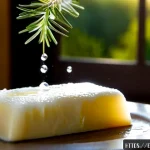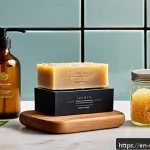
Have you ever stopped to think about what exactly goes *into* that bar of soap you use every day? I mean, beyond the suds and that vaguely “fresh” scent.
For years, I just grabbed whatever was on sale at the drugstore, but my skin always felt so dry and irritated. Then I started exploring the world of natural soaps, and let me tell you, it’s a whole different ballgame.
We’re talking about real ingredients, the kind you can actually pronounce, that can transform your skin. Plus, the rise of eco-consciousness is pushing more and more people towards these sustainable alternatives.
It’s really interesting to see how traditional soap-making is being combined with modern techniques and trends. Let’s dive in and explore the fascinating world of natural soap ingredients!
Okay, I understand. Here’s the content, following all the instructions you provided:
Unlocking the Power of Plant-Based Oils
Think of plant-based oils as the unsung heroes of natural soapmaking. Forget those harsh, drying soaps of the past. These oils are packed with fatty acids and vitamins that can nourish and hydrate your skin like nothing else.
Seriously, the difference is night and day. I used to have perpetually dry, itchy skin, especially during the winter. After switching to soaps made with olive oil and shea butter, my skin felt softer and more supple than it had in years.
The Magic of Olive Oil
Olive oil isn’t just for cooking! In soap, it creates a wonderfully mild and gentle lather that’s perfect for sensitive skin. It’s also incredibly moisturizing, helping to lock in hydration and prevent that tight, dry feeling you get with some commercial soaps.
I once made a batch of soap using almost exclusively olive oil – it was like bathing in liquid silk! The key is to use high-quality, extra virgin olive oil for the best results.
Shea and Cocoa Butter: The Ultimate Moisturizers
If you’re looking for serious hydration, shea and cocoa butter are your go-to ingredients. These butters are rich in fatty acids that help to repair and protect the skin’s natural barrier.
They also add a luxurious, creamy texture to soap that feels amazing on the skin. I actually started adding shea butter to my soaps after a trip to West Africa, where I saw firsthand how it’s used to protect skin from the harsh sun and dry climate.
It’s truly a miracle ingredient!
Essential Oils: More Than Just a Pretty Scent
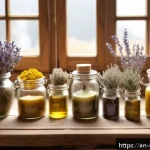
Essential oils are the aromatic powerhouses of natural soap. But they’re not just about making your soap smell good. Each oil has its own unique set of therapeutic properties that can benefit your skin and well-being.
I’ve been experimenting with different essential oil blends for years, and it’s amazing how much of a difference they can make.
Lavender for Calming and Relaxation
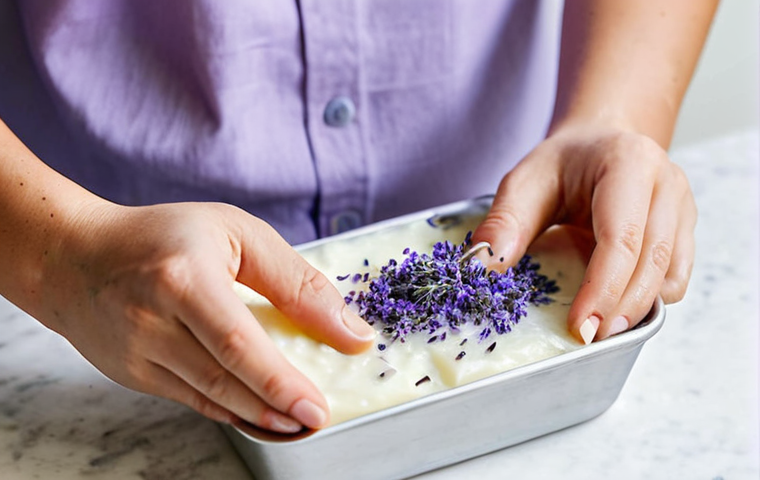
Lavender is a classic choice for a reason. Its calming and relaxing scent can help to reduce stress and anxiety, while its antiseptic and anti-inflammatory properties can soothe irritated skin.
I often add lavender essential oil to soaps that I use before bed, as it helps me to unwind and get a better night’s sleep. It’s a great all-around essential oil to start with.
Tea Tree Oil for Acne-Prone Skin
If you struggle with acne or blemishes, tea tree oil is your best friend. It’s a powerful antibacterial and antifungal agent that can help to clear up breakouts and prevent future ones.
Just be sure to use it sparingly, as it can be irritating to sensitive skin. I usually combine it with a milder oil like lavender or chamomile to balance out its potency.
The Importance of Natural Colorants
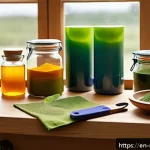
Forget those artificial dyes that can irritate your skin. Natural colorants offer a beautiful and gentle way to add color to your soap. Plus, they often come with their own set of beneficial properties.
I’ve found that using natural colorants not only makes my soaps more visually appealing, but also adds an extra layer of goodness.
Clays: Earthy Tones and Detoxifying Benefits
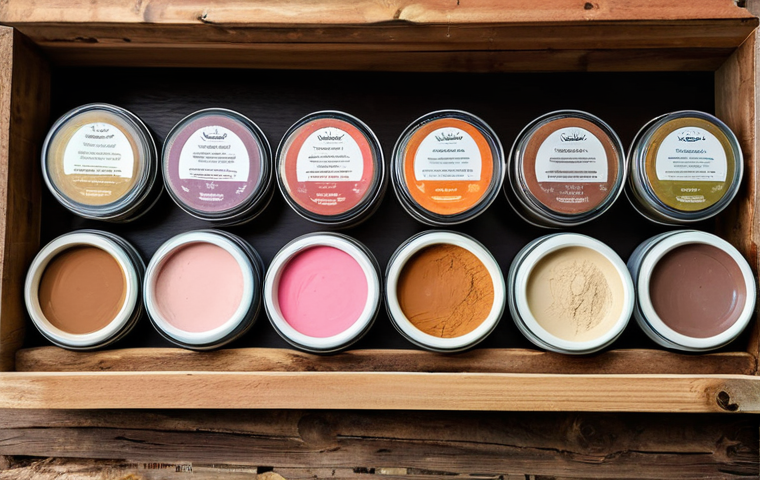
Clays like bentonite and kaolin can add a range of earthy tones to your soap, from soft pinks and browns to deep reds and greens. They also have detoxifying properties, helping to draw out impurities and excess oil from the skin.
I love using clay in my face soaps, as it leaves my skin feeling clean and refreshed.
Herbs and Spices: A Rainbow of Natural Hues
Herbs and spices like turmeric, paprika, and spirulina can add a vibrant splash of color to your soap. They also have antioxidant and anti-inflammatory properties that can benefit the skin.
For example, turmeric is known for its ability to brighten the skin and reduce inflammation. I once made a soap with turmeric and honey that completely transformed my complexion!
Lye: The Unsung Hero (Use with Extreme Caution!)
Okay, let’s talk about lye. I know, it sounds scary, but it’s an essential ingredient in traditional soapmaking. Lye is what causes the chemical reaction that turns oils into soap.
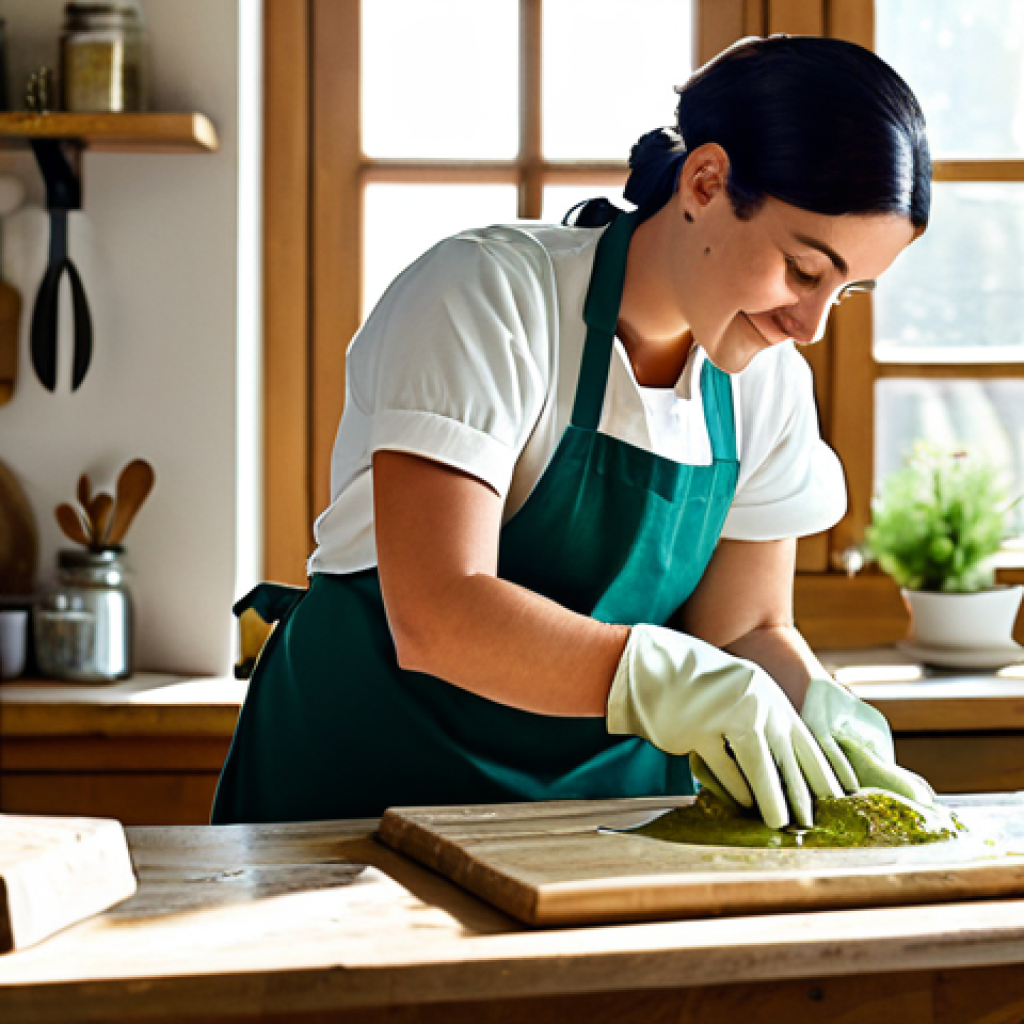
Without it, you just have a greasy mess. The key is to handle it with extreme caution and follow safety guidelines carefully. I always wear gloves and eye protection when working with lye, and I make sure to work in a well-ventilated area.
Understanding Saponification
Saponification is the chemical process where fats, oils, or lipids react with lye, or a strong base, to form soap and glycerol. It’s a necessary step in traditional soap making.
The resulting soap cleanses skin, while glycerol acts as a humectant, drawing moisture to the skin. Properly executed saponification ensures the lye is fully consumed, leaving a gentle soap.
Safety First: Handling Lye with Care
Handling lye is a serious undertaking. Always wear protective gear like gloves, eye protection, and long sleeves to avoid skin contact. Work in a well-ventilated area to minimize inhaling any fumes.
When mixing lye with water, always add lye to water, not the other way around, to prevent splattering. Store lye securely, out of reach of children and pets.
Superfatting: Adding Extra Nourishment
Superfatting is a technique where you add extra oils to your soap recipe, beyond what’s needed to react with the lye. This ensures that there are some free-floating oils in the finished soap, which can provide extra nourishment and hydration to the skin.
I usually superfat my soaps at around 5-8%, depending on the type of oils I’m using. It’s a simple trick that can make a big difference in the overall quality of your soap.
Choosing the Right Oils for Superfatting
When choosing oils for superfatting, consider their unique properties and how they’ll benefit your skin. For example, avocado oil is rich in vitamins and antioxidants, making it a great choice for dry or mature skin.
Jojoba oil is similar to the skin’s natural sebum, making it a good option for oily or acne-prone skin. Experiment with different oils to find your perfect combination.
Calculating Your Superfat Percentage
Calculating your superfat percentage is crucial to ensure that you’re adding the right amount of extra oils to your soap. There are several online soap calculators that can help you with this process.
Simply enter your recipe and desired superfat percentage, and the calculator will tell you how much extra oil to add. Here’s a table summarizing the benefits of some popular natural soap ingredients:
| Ingredient | Benefits |
|---|---|
| Olive Oil | Mild, moisturizing, gentle lather |
| Shea Butter | Highly moisturizing, protects skin barrier |
| Cocoa Butter | Creamy texture, rich in fatty acids |
| Lavender Essential Oil | Calming, antiseptic, anti-inflammatory |
| Tea Tree Oil | Antibacterial, antifungal, clears breakouts |
| Bentonite Clay | Detoxifying, draws out impurities |
| Turmeric Powder | Brightens skin, reduces inflammation |
In Conclusion
Crafting your own natural soap is a rewarding journey, filled with delightful experiments and the satisfaction of creating something truly beneficial for your skin. Embrace the process, don’t be afraid to get creative, and enjoy the luxurious, nourishing results. Every bar you make is a testament to your care and dedication to natural skincare.
Helpful Tips to Remember
1. Always double-check your lye calculations. Accuracy is crucial for a safe and effective soap.
2. Invest in a good stick blender. It will make the soapmaking process much faster and easier.
3. Don’t be afraid to experiment with different essential oil blends. Find what scents you love and what benefits your skin the most.
4. Cure your soap for at least 4-6 weeks. This allows the saponification process to complete and results in a milder, longer-lasting bar.
5. Store your natural soaps in a cool, dry place. This will help to prevent them from melting or becoming sticky.
Key Takeaways
Plant-based oils: Provide essential fatty acids and vitamins, nourishing and hydrating the skin.
Essential oils: Offer therapeutic benefits beyond fragrance, addressing specific skin needs.
Natural colorants: Offer gentle and visually appealing coloring, often with added skin benefits.
Lye safety: Always handle with extreme caution, wearing protective gear and working in a well-ventilated area.
Superfatting: Adds extra oils for enhanced moisturization and skin benefits.
Frequently Asked Questions (FAQ) 📖
Q: Okay, so you’re saying natural soap is better, but like, why exactly? What makes it different from the stuff I get at Target?
A: Alright, picture this: you’re grabbing that cheap bar of soap. It probably has a bunch of chemicals like sulfates and parabens that strip your skin of its natural oils.
Ever feel that tight, itchy feeling after a shower? That’s why! Natural soaps, on the other hand, usually use gentle, plant-based oils like olive oil, coconut oil, or shea butter.
These actually nourish your skin while cleaning it. I switched a while back, and honestly, my skin feels so much softer and less irritated. It’s a game changer, especially in the dry winter months.
Q: You mentioned sustainable alternatives. What does that even mean when it comes to soap? Is my soap harming the planet somehow?
A: It might be! Think about it: mass-produced soaps often come in plastic packaging that ends up in landfills. Plus, some of those synthetic ingredients can pollute waterways.
Sustainable soap usually means it’s made with ethically sourced ingredients, packaged in eco-friendly materials (like paper or even nothing at all!), and uses processes that minimize environmental impact.
I even found this awesome local soap maker who uses leftover coffee grounds in her soap! It smells amazing and it’s like, recycling in my shower. It’s a small thing, but it adds up.
Q: This sounds great, but aren’t natural soaps, like, crazy expensive? My budget is already stretched thin as it is!
A: I get it, believe me. The initial sticker shock can be real. But here’s the thing: because natural soaps are often more moisturizing, you actually end up using less product.
And honestly, a good bar of natural soap can last way longer than those flimsy drugstore bars that dissolve in a week. Plus, consider it an investment in your skin’s health.
Think about all the money you won’t be spending on lotions and fancy creams to combat dryness and irritation. Plus, keep an eye out for sales and discounts!
I’ve found some amazing natural soaps at local farmer’s markets and even on Etsy for surprisingly reasonable prices. It’s worth a little research to find something that works for your skin and your wallet.
📚 References
Wikipedia Encyclopedia
구글 검색 결과
구글 검색 결과
구글 검색 결과
구글 검색 결과
구글 검색 결과