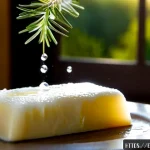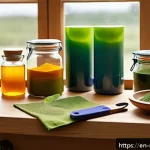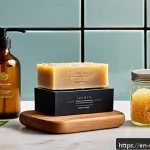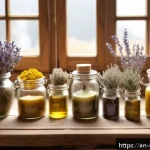
Have you ever stopped to consider what’s actually *in* your soap? I mean, we lather up with it every single day, trusting it to cleanse and nourish our skin.
But what if those vibrant colors and sweet fragrances are masking some less-than-desirable ingredients? That’s where the magic of natural soap comes in!
Personally, I’ve made the switch and my skin has never felt better – less dryness, less irritation, and I’m not contributing to a cocktail of chemicals going down the drain.
It’s more than just a bar of soap; it’s a small step towards a healthier lifestyle. As more people become conscious of the environmental impact and potential health risks associated with synthetic ingredients, natural soaps are seeing a massive surge in popularity.
Experts predict this trend will only continue, with consumers actively seeking out transparency and sustainability. So, let’s delve deeper and find out how to choose the right one.
Let’s get the facts straight down below!
Here’s the blog post you requested:
Understanding the Allure of Natural Soaps: More Than Just a Trend
Choosing a soap might seem like a trivial task, but the implications can be far-reaching for both your personal well-being and the environment. I’ve noticed a definite shift in people moving away from those mass-produced, brightly colored bars filled with artificial fragrances.
More and more, folks are reaching for natural soaps, and for good reason! The benefits extend beyond just squeaky-clean skin. From what I’ve experienced, natural soaps offer a gentler, more nourishing cleanse, often free of harsh chemicals that can strip the skin of its natural oils.
Plus, you’re supporting sustainable practices when you choose a bar crafted with ethically sourced ingredients. My own journey started when I was looking for something gentler for my sensitive skin, and it opened my eyes to a whole world of natural skincare.
Decoding the Ingredients List: What to Look For, and What to Avoid
Ever tried deciphering the ingredients list on a conventional soap? It can feel like reading a chemistry textbook! Natural soaps, on the other hand, tend to have simpler, more recognizable ingredient lists.
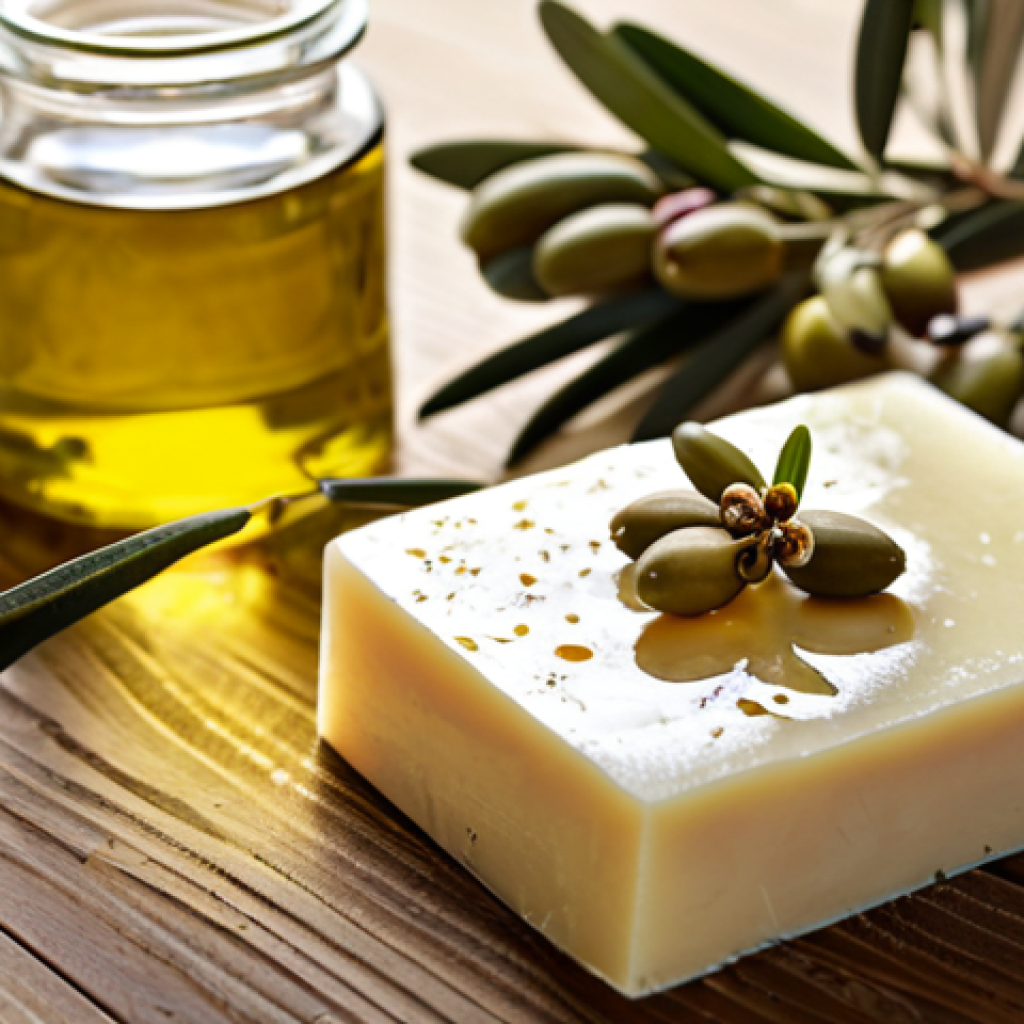
Look for things like olive oil, coconut oil, shea butter, and essential oils. These ingredients are not only nourishing for the skin, but also biodegradable and less likely to cause irritation.
The Dirty Dozen: Ingredients to Steer Clear Of
Conversely, there are some common ingredients in conventional soaps that you might want to avoid. Synthetic fragrances, parabens, sulfates (like Sodium Lauryl Sulfate or SLS), and artificial colors are all potential irritants and have been linked to various health concerns.
The Environmental Impact: Choosing Sustainable Suds
The environmental impact of our daily choices often goes unnoticed. Traditional soap manufacturing processes can be energy-intensive and generate significant waste.
Additionally, the chemicals found in conventional soaps can pollute waterways and harm aquatic life.
Biodegradability Matters: Choosing Soaps That Decompose Naturally
Natural soaps, formulated with plant-based oils and natural additives, are biodegradable. This means that when they go down the drain, they break down naturally without leaving harmful residues in the environment.
Supporting Ethical Sourcing and Fair Trade Practices
Choosing natural soap can also support ethical sourcing and fair trade practices. Look for soaps made with ingredients sourced from sustainable farms and suppliers that treat their workers fairly.
The Art of Soap Making: A Glimpse Behind the Scenes
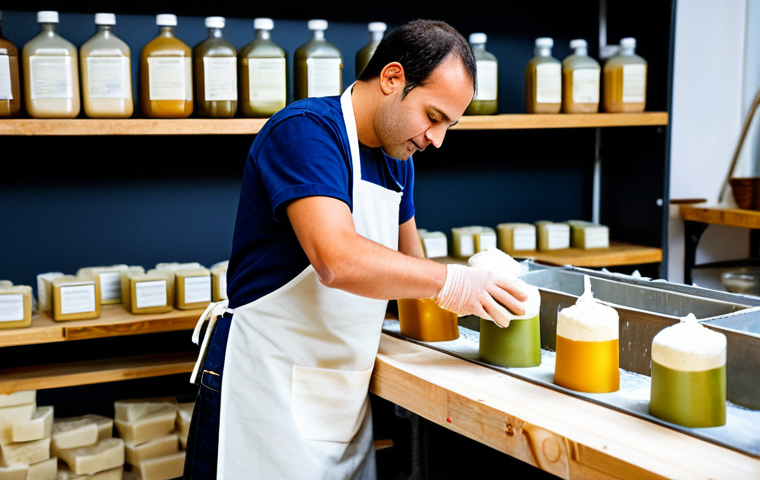
One of the things I appreciate most about natural soap is the craftsmanship involved. Many natural soap makers are artisans who pour their heart and soul into creating high-quality products.
The process itself is a fascinating blend of science and artistry.
Cold Process vs. Hot Process: Understanding the Different Methods
There are two main methods of soap making: cold process and hot process. The cold process involves mixing oils with lye and allowing the mixture to saponify (turn into soap) over several weeks.
The hot process involves cooking the soap mixture, which speeds up the saponification process. Both methods have their advantages, but the cold process is often preferred for its ability to preserve the beneficial properties of the oils.
The Importance of Curing: Patience is Key
Once the soap is made, it needs to be cured for several weeks. This allows the excess water to evaporate and the soap to harden. Curing also improves the soap’s lather and longevity.
It’s really amazing how much the curing process transforms the soap!
Identifying the Right Natural Soap for Your Specific Skin Type
Not all natural soaps are created equal, and what works for one person may not work for another. It’s important to choose a soap that is formulated for your specific skin type.
Through some trial and error, I’ve found what works for my combination skin, and it’s made all the difference.
Dry Skin Saviors: Look for Extra Moisturizing Ingredients
If you have dry skin, look for soaps that are rich in moisturizing ingredients like olive oil, shea butter, and cocoa butter. Avoid soaps that contain harsh detergents or fragrances, as these can further dry out your skin.
Oily Skin Solutions: Gentle Cleansing is Essential
If you have oily skin, look for soaps that contain ingredients like tea tree oil, charcoal, or clay, which can help to absorb excess oil. Avoid soaps that are too heavy or greasy, as these can clog your pores.
Sensitive Skin Soothers: Minimal Ingredients, Maximum Care
If you have sensitive skin, look for soaps that are formulated with minimal ingredients and free of fragrances, dyes, and other potential irritants. Ingredients like chamomile, calendula, and aloe vera can help to soothe and calm irritated skin.
Spotting Authentic Natural Soaps: Avoiding Greenwashing
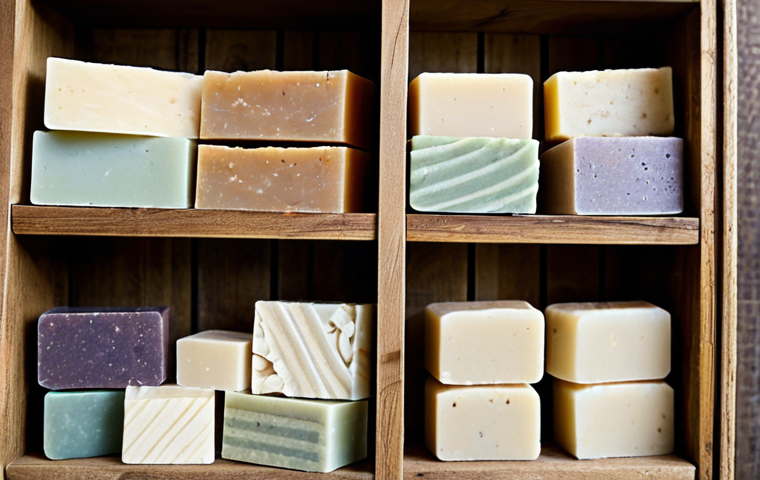
With the increasing popularity of natural products, there’s also been a rise in “greenwashing,” where companies market their products as natural even though they contain synthetic ingredients.
It’s important to be a discerning consumer and know how to spot authentic natural soaps.
Decoding Labels: Look Beyond the Marketing Hype
Don’t be fooled by fancy labels or marketing claims. Read the ingredients list carefully and look for certified organic or natural ingredients.
Certifications to Trust: Seeking Out Reputable Seals of Approval
Look for certifications from reputable organizations like the USDA Organic, the Natural Products Association, or EcoCert. These certifications ensure that the soap meets certain standards for natural and organic ingredients.
Where to Find High-Quality Natural Soaps: A Guide to Shopping Smart
Once you know what to look for, the next step is finding reputable sources for high-quality natural soaps. There are many options available, from local farmers’ markets to online retailers.
Supporting Local Artisans: Farmers Markets and Craft Fairs
One of the best ways to find unique and high-quality natural soaps is to support local artisans at farmers’ markets and craft fairs. You can meet the soap makers in person, learn about their process, and sample their products.
Online Marketplaces: Navigating the Virtual Aisles
There are many online marketplaces that sell natural soaps, such as Etsy, Amazon Handmade, and specialized natural skincare websites. Be sure to read reviews and check the ingredients list before making a purchase.
Here’s a table summarizing the key considerations when choosing natural soaps:
| Consideration | Dry Skin | Oily Skin | Sensitive Skin |
|---|---|---|---|
| Ingredients to Look For | Olive oil, shea butter, cocoa butter | Tea tree oil, charcoal, clay | Chamomile, calendula, aloe vera |
| Ingredients to Avoid | Harsh detergents, fragrances | Heavy oils, greasy ingredients | Fragrances, dyes, potential irritants |
| Key Benefits | Intense moisturization, prevents dryness | Oil absorption, pore cleansing | Soothing, calming, reduces irritation |
DIY Natural Soap Making: Embarking on Your Own Sudsy Adventure
If you’re feeling adventurous, you can even try making your own natural soap at home! There are many recipes and tutorials available online, but it’s important to follow safety precautions and use high-quality ingredients.
Basic Supplies and Equipment: Gathering Your Arsenal
To make your own natural soap, you’ll need a few basic supplies, including oils, lye, water, a scale, a pot, and a mold. You’ll also need safety equipment like gloves and goggles.
Simple Recipes to Get You Started: Easy and Effective
There are many simple soap recipes that are perfect for beginners. Start with a basic recipe and experiment with different oils and additives to create your own unique soap.
Safety Precautions: Handling Lye with Care
Working with lye can be dangerous, so it’s important to follow safety precautions. Always wear gloves and goggles, and work in a well-ventilated area.
Never add water to lye; always add lye to water. By understanding the ingredients, processes, and benefits of natural soaps, you can make informed choices that are good for your skin, your health, and the planet.
Switching to natural soap is a small change that can have a big impact, and I encourage everyone to give it a try!
In Conclusion
Making the switch to natural soap is more than just a cleansing routine; it’s a conscious choice that benefits your skin and the planet. From understanding ingredient lists to supporting ethical practices, every step towards natural skincare makes a difference. So, why not try a bar of natural soap and experience the difference yourself? Your skin will thank you!
Helpful Tips and Tricks
1. Store your natural soap in a well-draining soap dish to prolong its life. This prevents it from sitting in water and becoming mushy.
2. Cut your soap bar in half. Using one half at a time can help preserve its fragrance and extend its lifespan.
3. Exfoliate your skin with a natural loofah or washcloth before using your natural soap for a deeper cleanse.
4. Keep an eye out for local farmers markets or craft fairs to discover unique, handmade natural soaps from artisans in your community.
5. When traveling, pack your natural soap in a breathable bag to prevent it from becoming sticky or melting.
Key Takeaways
Natural soaps offer a gentle and nourishing cleanse, free from harsh chemicals that can irritate the skin.
Choosing natural soaps supports sustainable practices, ethical sourcing, and fair trade.
Identifying your skin type and selecting a soap with appropriate ingredients is crucial for achieving the best results.
Making your own natural soap can be a fun and rewarding experience, allowing you to customize ingredients and scents.
Always read ingredient lists carefully and look for certifications to ensure you’re buying authentic natural soaps.
Frequently Asked Questions (FAQ) 📖
Q: What exactly is natural soap, and how is it different from the stuff I buy at the drugstore?
A: Okay, so think of it this way: your average drugstore soap is often more detergent than actual soap! They’re packed with synthetic fragrances, harsh chemicals like sulfates, and artificial colors – things that can strip your skin of its natural oils and leave it feeling dry and irritated.
Natural soap, on the other hand, is typically made with plant-based oils like olive, coconut, or shea butter, and scented with essential oils. It’s a gentler cleansing experience, and often includes moisturizing ingredients that are actually good for your skin.
Plus, no nasty chemicals ending up in our waterways!
Q: I’m seeing a lot of “natural” soaps out there. How can I tell which ones are actually natural and not just greenwashing?
A: That’s a great question, because unfortunately, not everything labeled “natural” truly is! The best way to be sure is to read the ingredient list carefully.
Look for recognizable oils and butters (like the ones I mentioned earlier), and avoid soaps with ingredients you can’t pronounce or that sound like they belong in a chemistry lab.
Phrases like “fragrance,” “parfum,” and artificial colors (FD&C dyes) are red flags. Bonus points if the soap is certified organic or cruelty-free! Personally, I always look for smaller, local brands – they tend to be more transparent about their ingredients and processes.
Q: Natural soap sounds great, but is it actually effective at cleaning? I’m worried it won’t kill germs as well as my antibacterial soap.
A: You know, I used to worry about that too! But here’s the thing: antibacterial soaps often contain harsh chemicals like triclosan, which the FDA has actually restricted because of potential health concerns.
Regular, well-made natural soap is effective at removing dirt and germs. The act of lathering and rinsing with any soap physically washes away those nasties.
Just make sure you’re washing your hands thoroughly for at least 20 seconds (sing “Happy Birthday” twice!), and you’ll be just as protected. Plus, you’re not harming your skin or the environment!
📚 References
Wikipedia Encyclopedia